
1987
One unit in Masjid Bunder
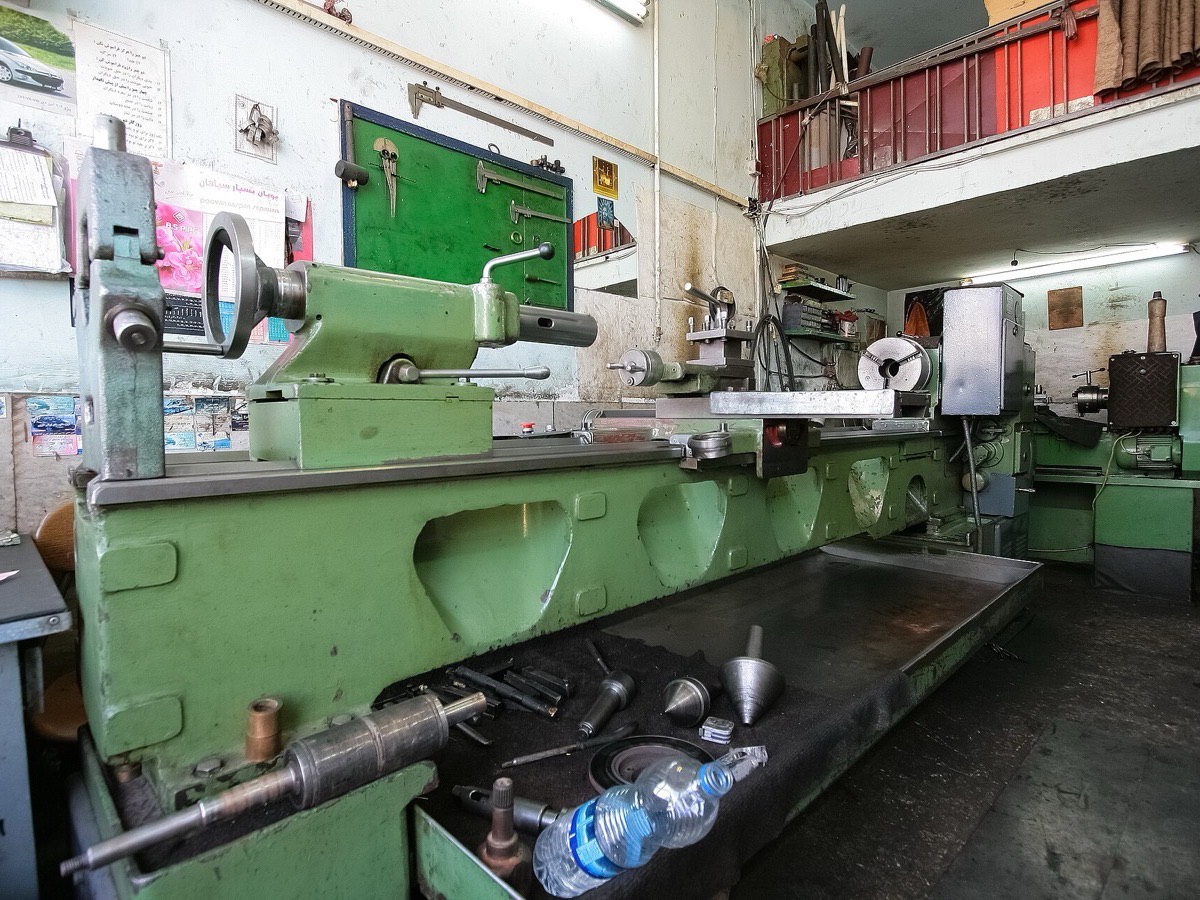
The Parekh brothers establish Prime Engineering, a precision engineering business run from a single industrial unit in Masjid Bunder, Mumbai, built on technical expertise and manufacturing discipline.
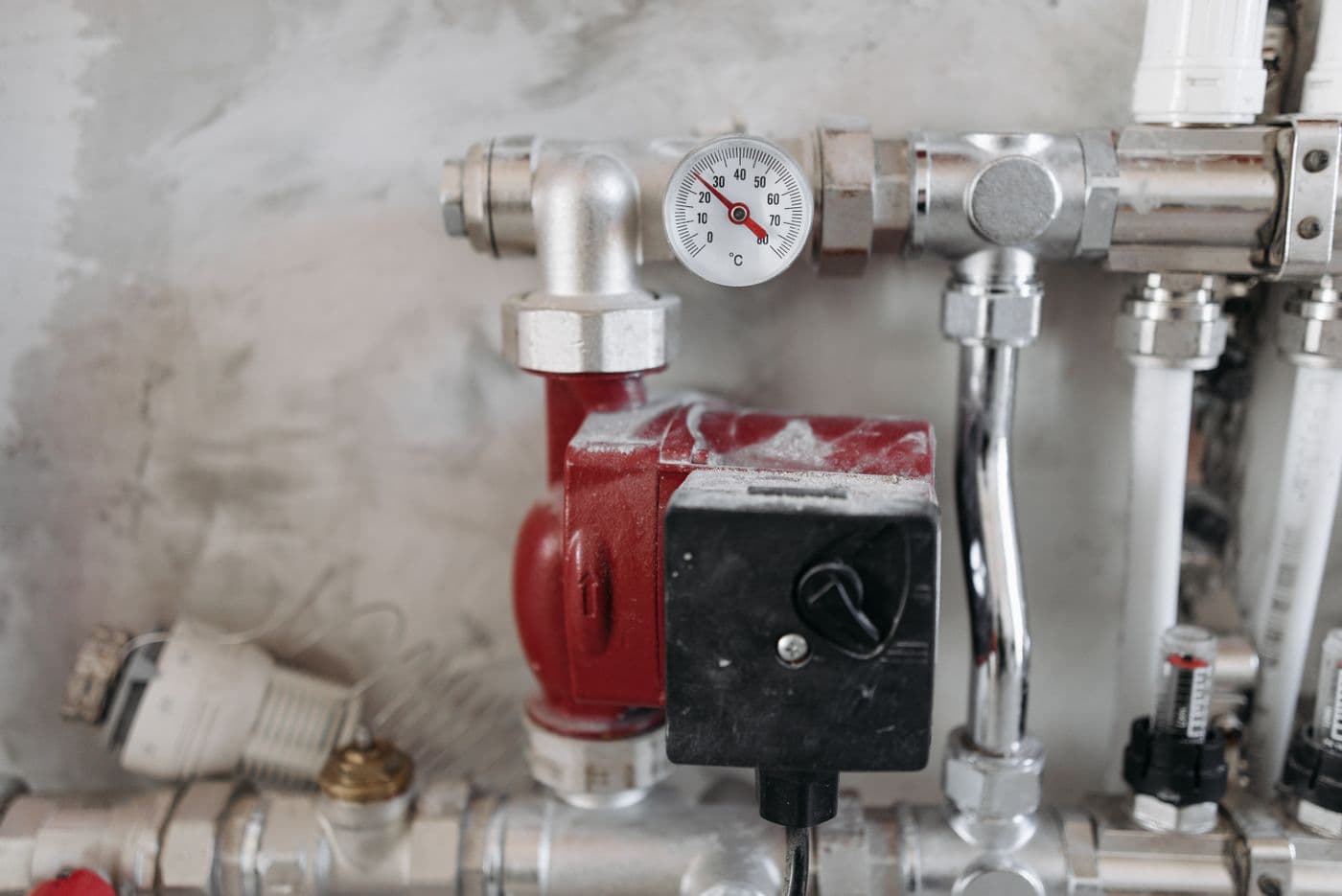
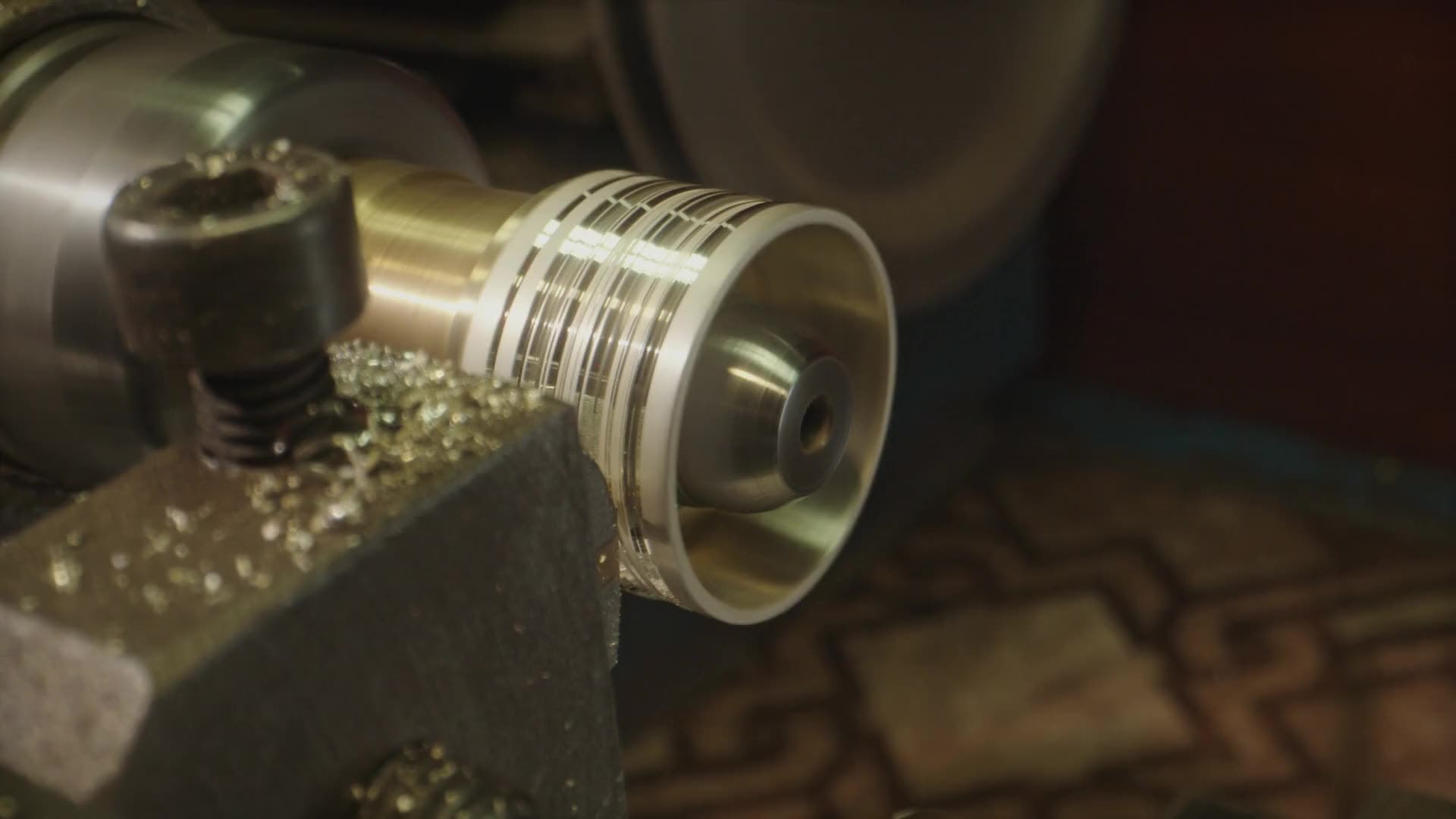
Parflow Engineering designs and manufactures the components that measure, isolate, control, and carry process media in industrial fluid systems. Ninety-two products, machined and pressure-tested under one quality system, specified by process plants, EPC contractors, and OEMs across India and international markets.
Products in the catalogue
Product categories
psi ceiling on the high-pressure series
°C minimum service temperature
Our products form the backbone of industrial fluid systems: the safe measurement, isolation, control, and transmission of process media under demanding operating conditions. Every family is developed for interchangeability and long service life, not for the minimum a specification allows.
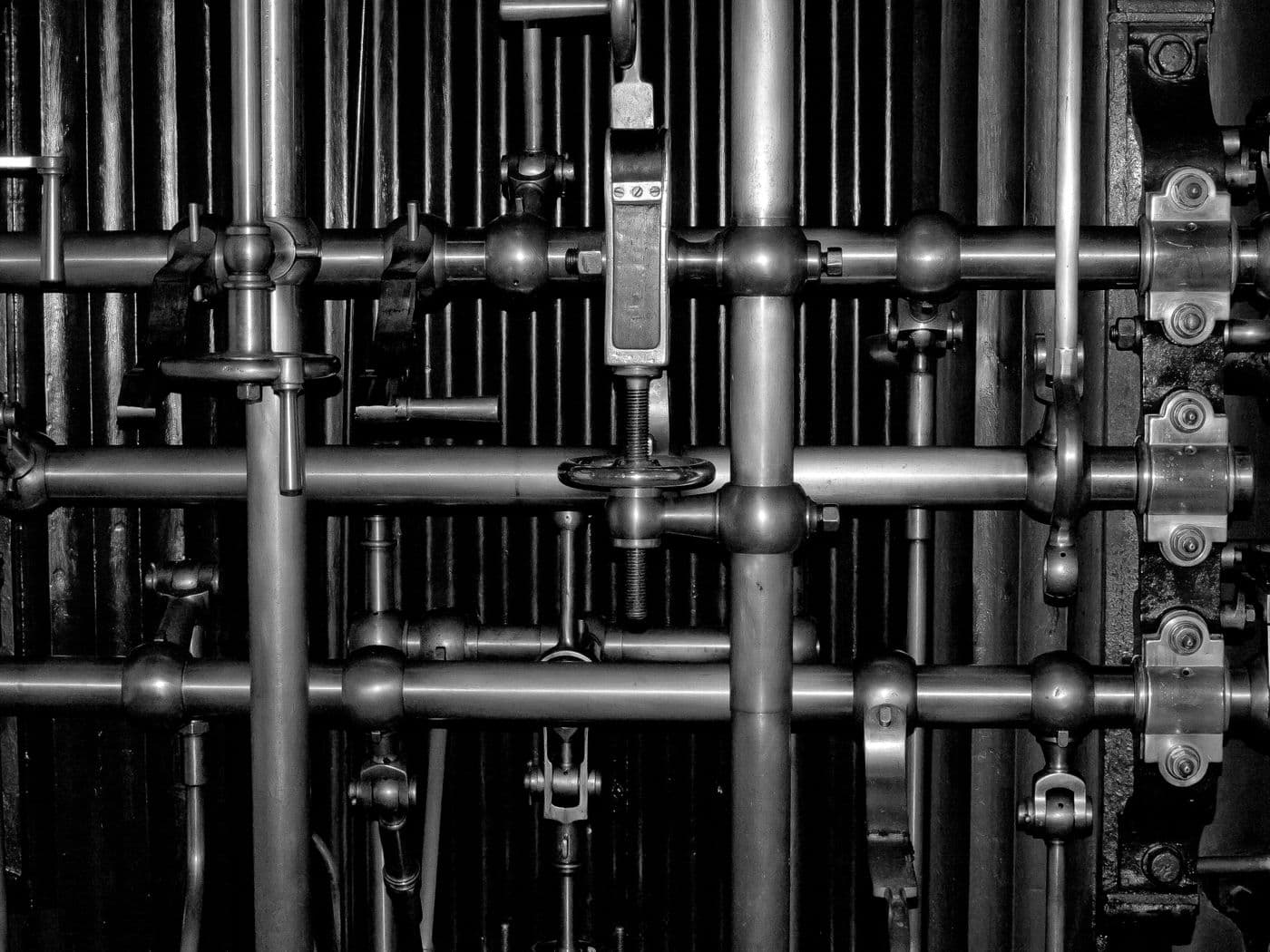
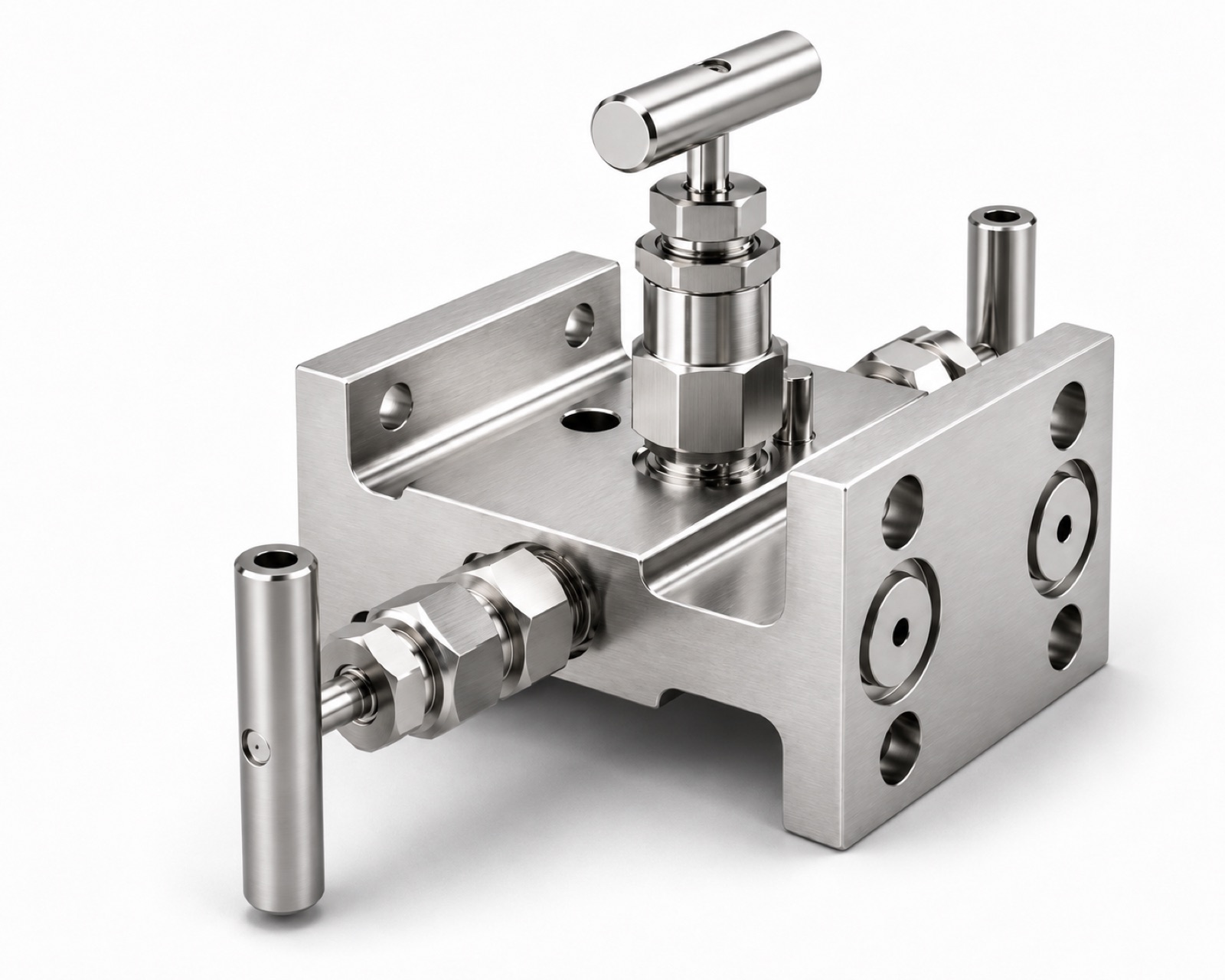
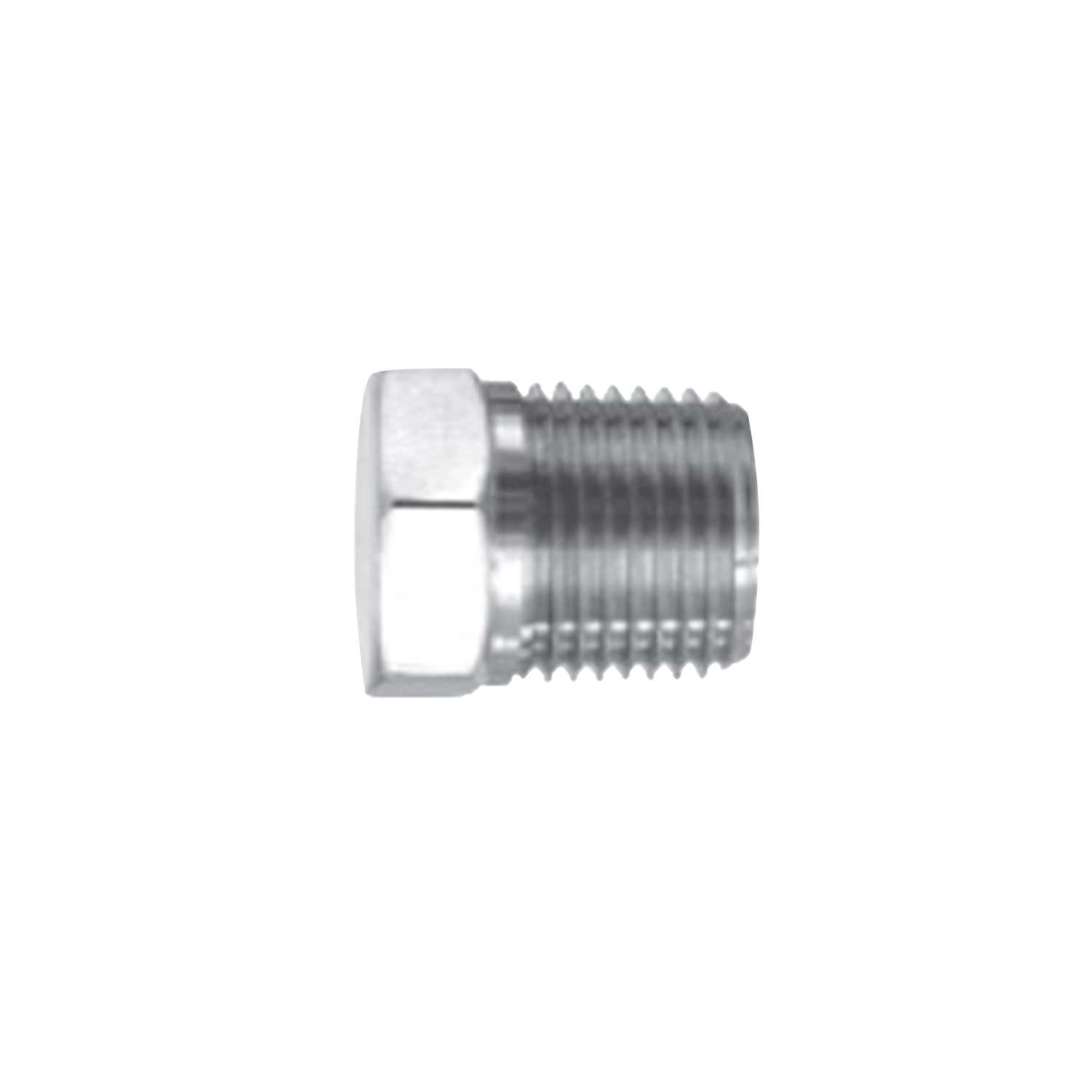
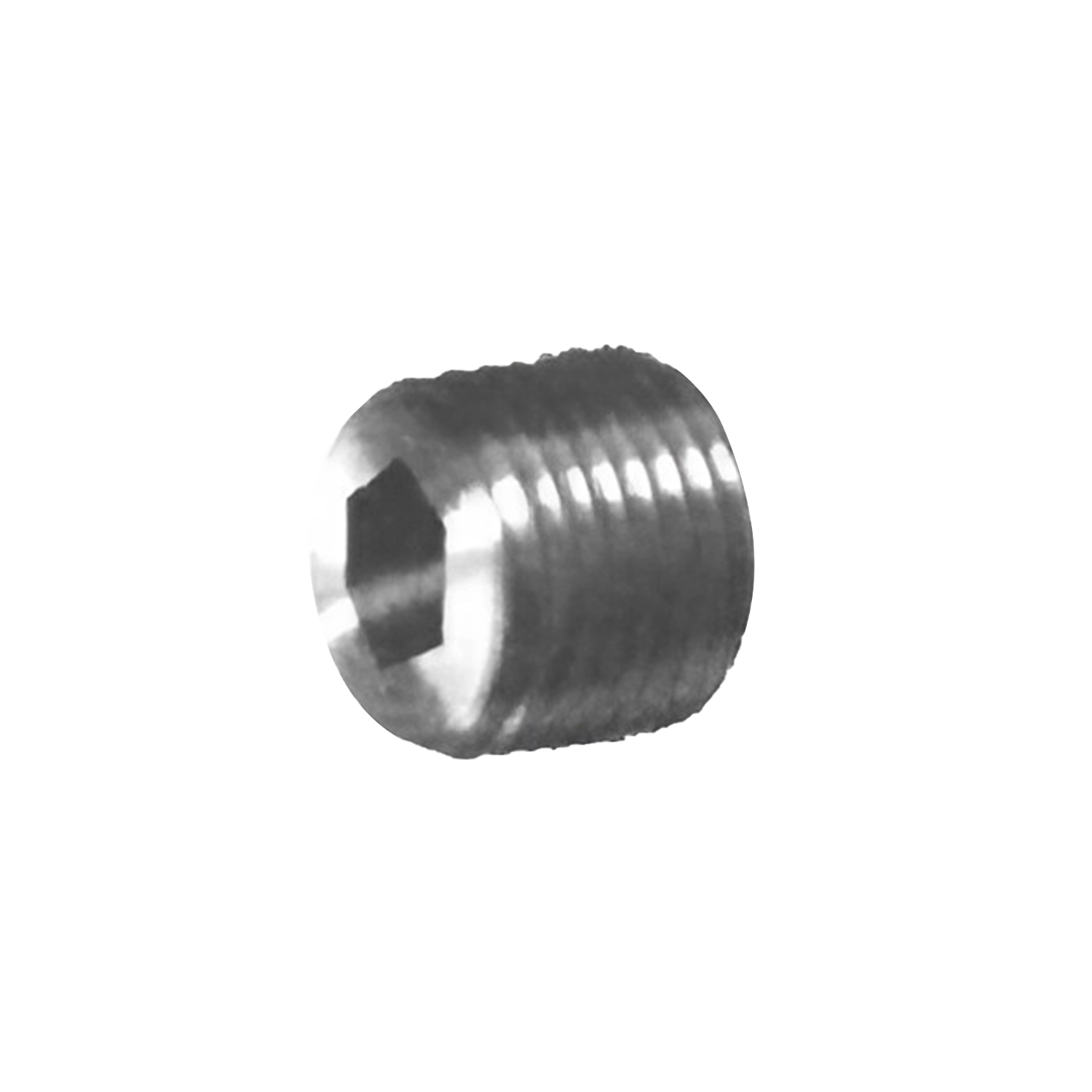
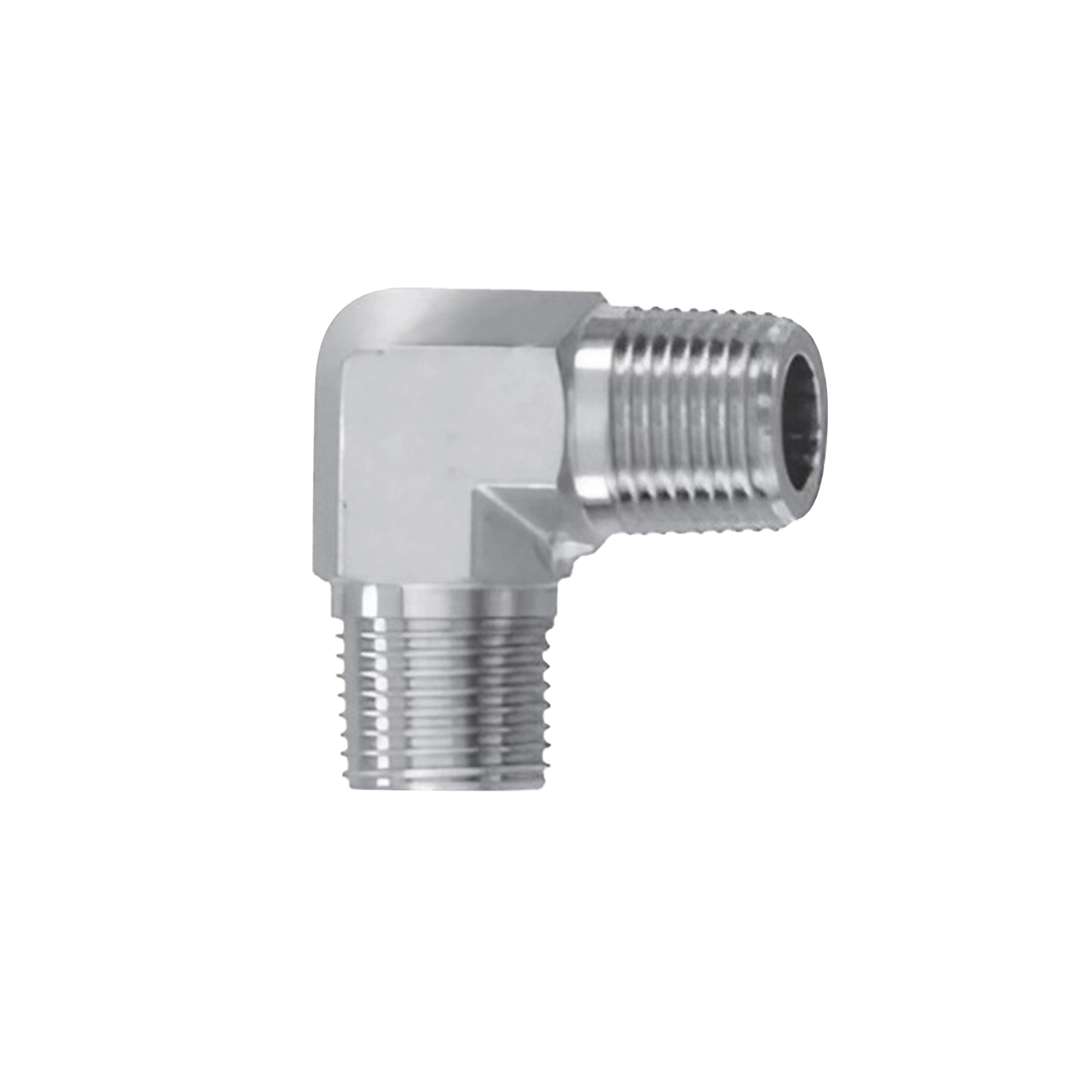
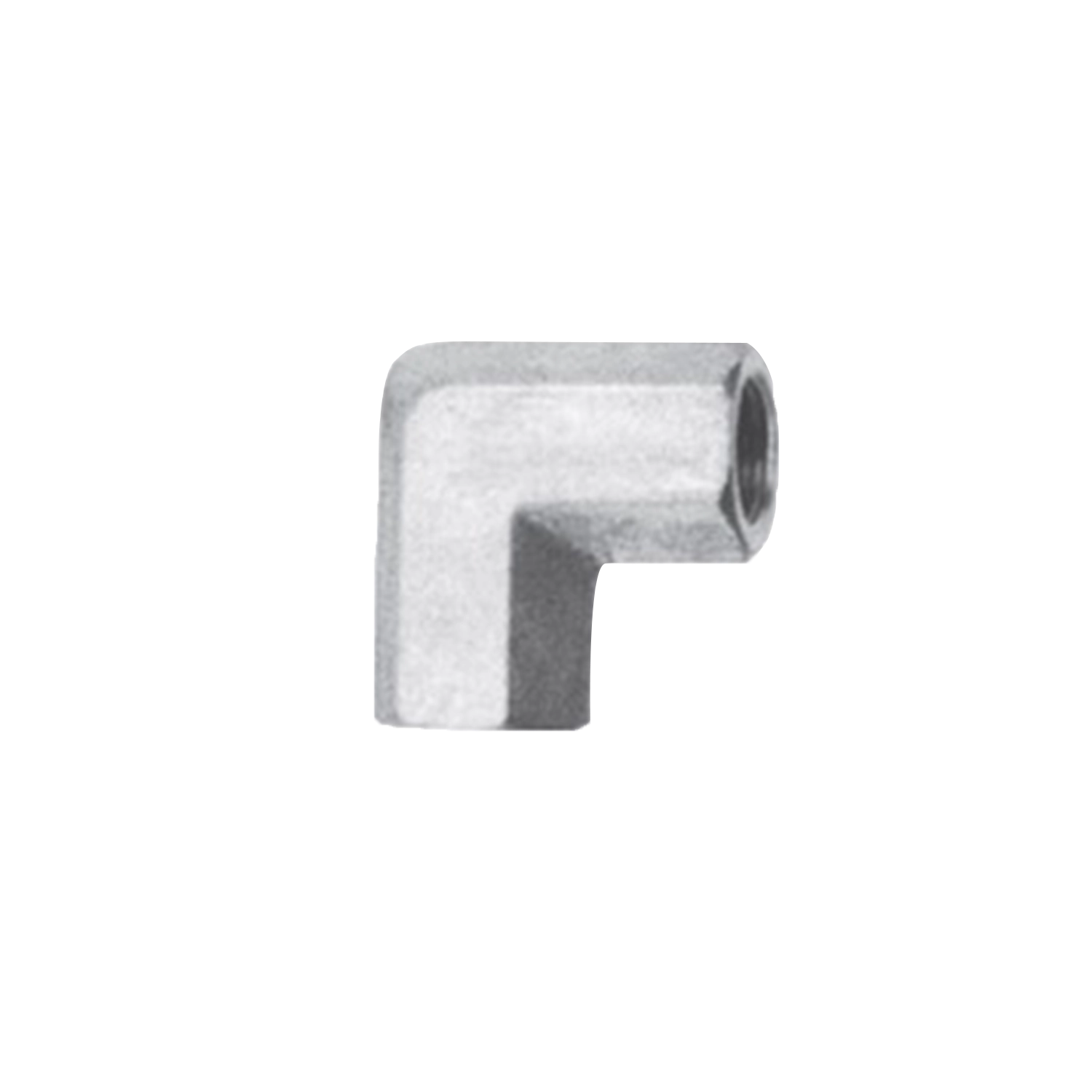
Instrumentation valves, tube fittings, manifolds, double block and bleed valves, monoflange valves, high-pressure fittings and valves, air headers, condensate pots, swivel gauge adapters, syphons, and snubbers.
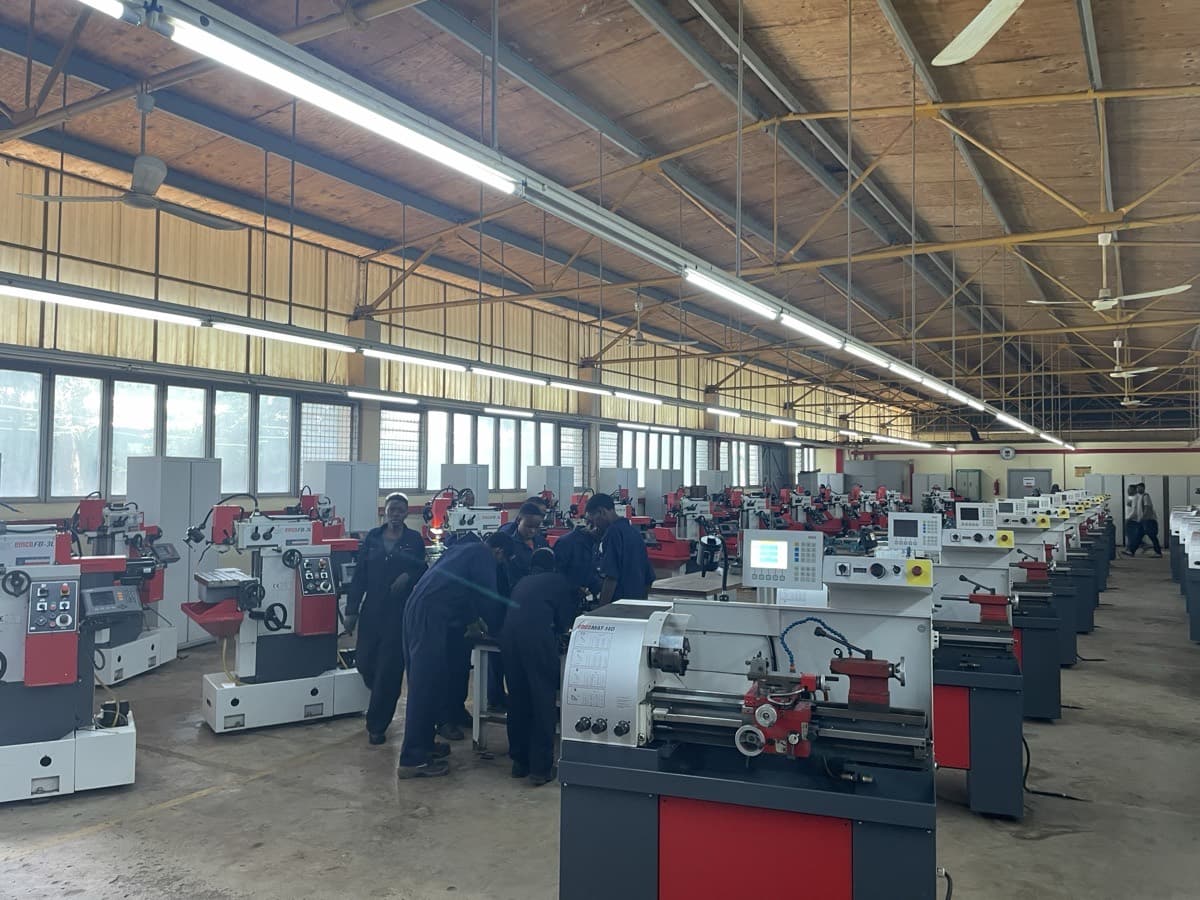
One manufacturing facility, with the corporate office in Mumbai. Machining, assembly, testing, and dispatch run under one set of controls, and nothing that affects sealing is subcontracted.
Process plants, EPC contractors, and OEMs specifying for oil and gas, petrochemical, chemical, power, LNG, and clean energy service, in India and international markets.
We size the sealing and gripping functions against the pressure, media, and temperature the connection will actually meet. Where a service falls outside what a standard fitting handles, we say so rather than quote one and hope.
Products engineered with attention to every detail, ensuring dimensional accuracy and dependable sealing performance.
Components designed to operate consistently under high pressure, vibration, temperature fluctuations, and aggressive process environments.
Repeatable manufacturing processes and rigorous quality controls that ensure every product meets the same exacting standards.
Parflow Engineering operates an ISO 9001:2015 certified quality management system. Every stage from material receipt to dispatch runs to a documented process, and the record follows the part.
Incoming bar and forgings are checked against the mill certificate for the heat lot before anything reaches a machine.
Bodies, ferrules, stems, and nuts are turned and milled to drawing, so dimensions repeat across the batch instead of being fettled to fit.
Critical features are gauged against the drawing rather than judged by eye, and the readings are recorded against the batch.
Products are assembled to a written sequence, so make-up and component pairing do not vary between operators.
Assemblies are pressure-tested and leak-checked before packing, so a fitting is proven before it leaves the floor.
Each batch is released against the same acceptance criteria, so a repeat order matches the parts already installed on site.
The heat lot record follows the part through machining, testing, and dispatch, so a fitting on site traces back to the bar it was turned from.
Test and inspection records are issued with the consignment and retained, so the evidence is on file when an audit asks for it.
A fitting is specified against the duty it will actually see. Compressor vibration asks one thing of a joint, cryogenic service at -196 °C asks another.

Pressure and constant compressor vibration, with maintenance access limited by permit and weather.
Tube fittings, DBB valves, monoflange
Explore industry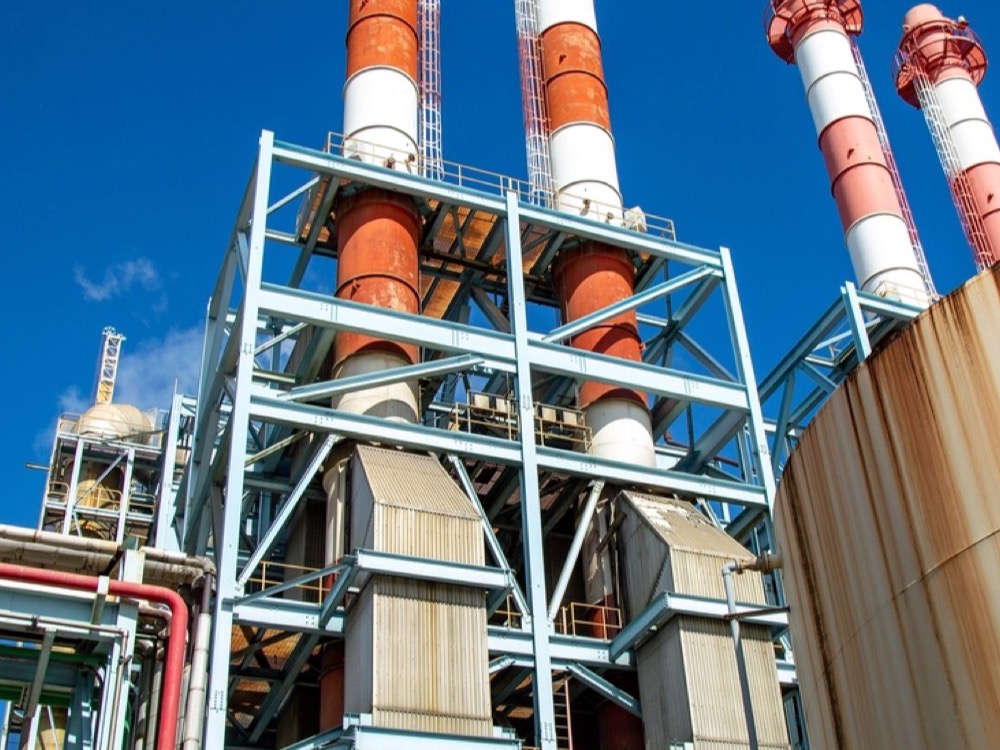
Cracking and polymer units hold impulse and sampling lines at temperature for years between turnarounds.
Manifolds, needle valves, tube fittings
Explore industry
Crude, reforming, and treating units need isolation that a technician can prove closed before breaking a line.
DBB valves, ball valves, pipe fittings
Explore industry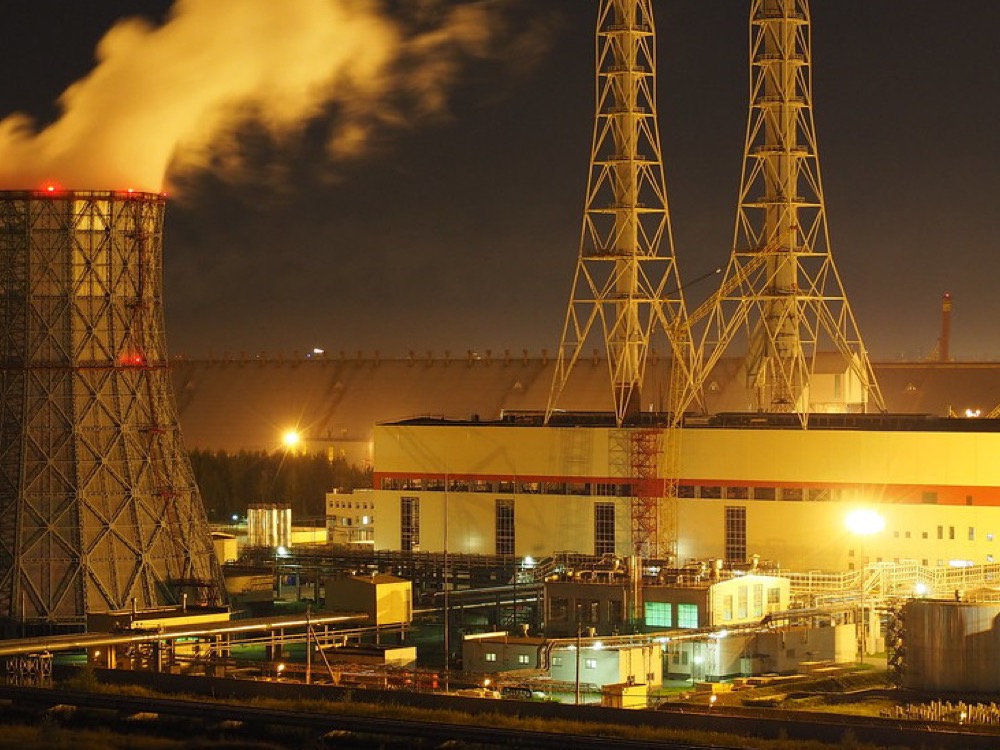
Continuous duty on steam and feedwater, with thermal cycling loading and unloading every joint between load changes.
Snubbers, high-pressure fittings, manifolds
Explore industry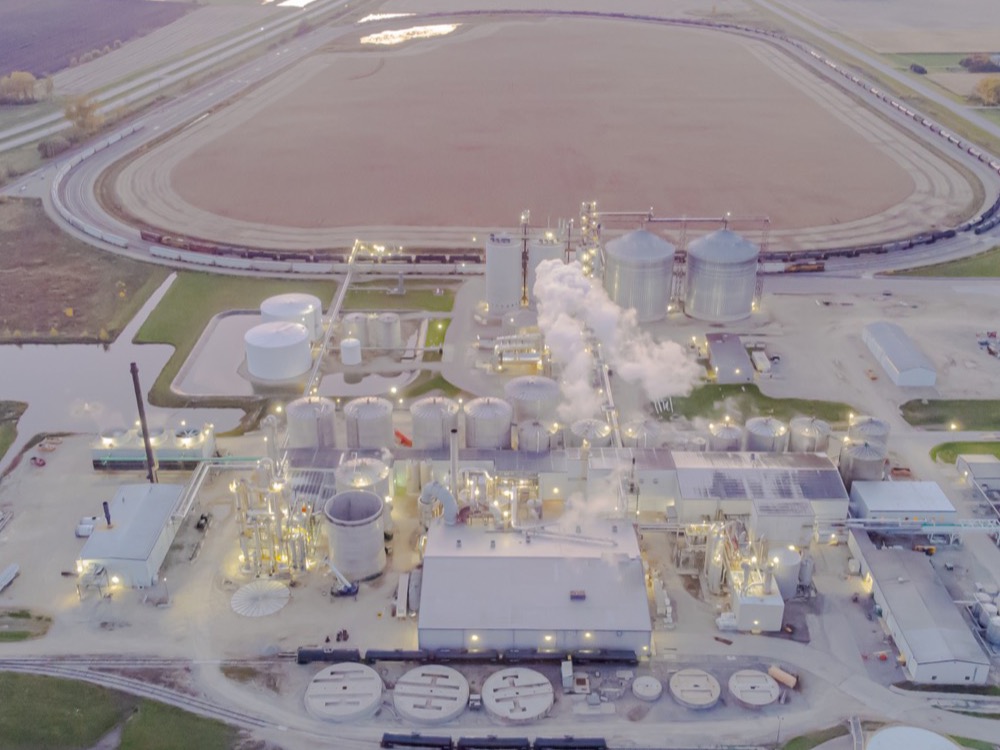
Wetted material is the first specification decision here, ahead of pressure rating.
316L, 6-Moly, and exotic alloy bodies
Explore industry
Cool-down contracts tube, ferrule, and body together, and gas escapes through paths that would hold a liquid.
Cryogenic-rated fittings and valves to -196 °C
Explore industry9 more sectors on the same catalogue
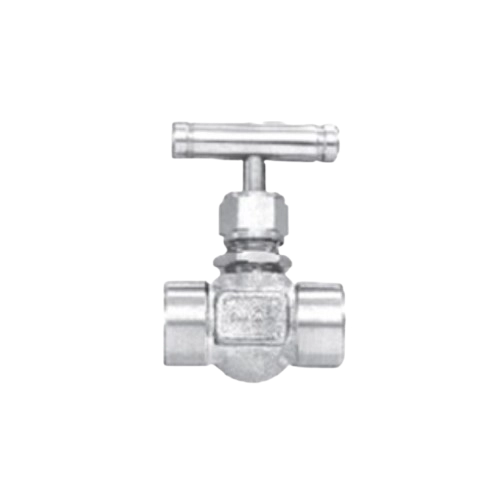
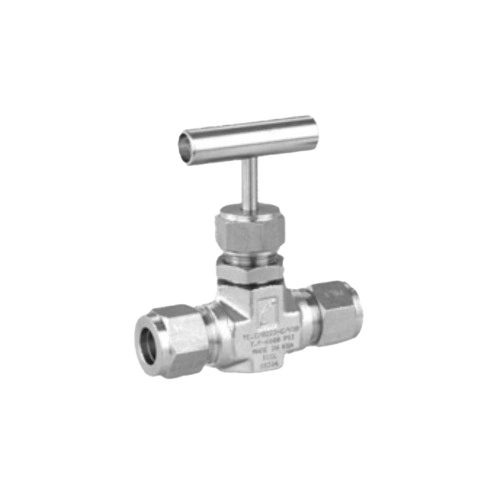
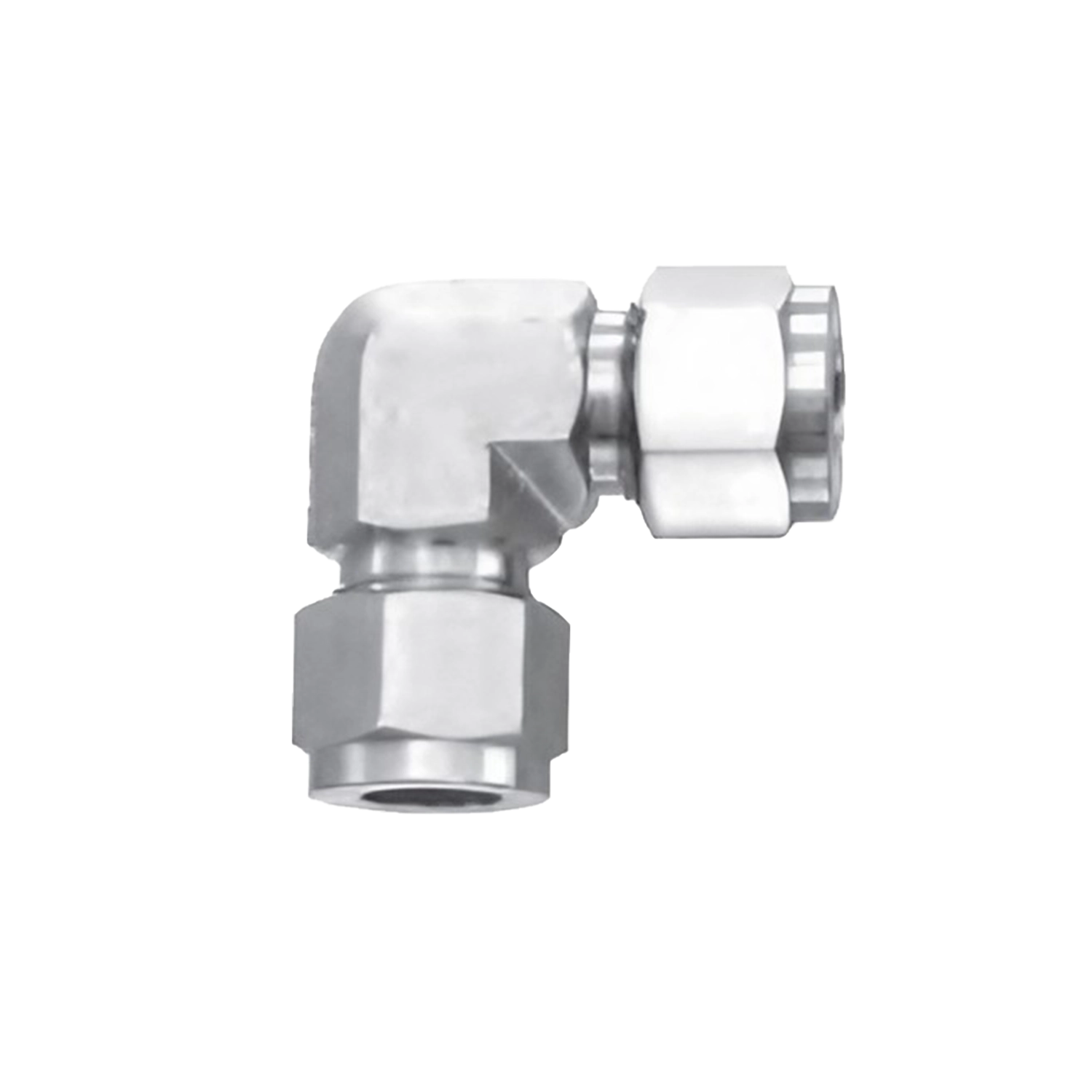
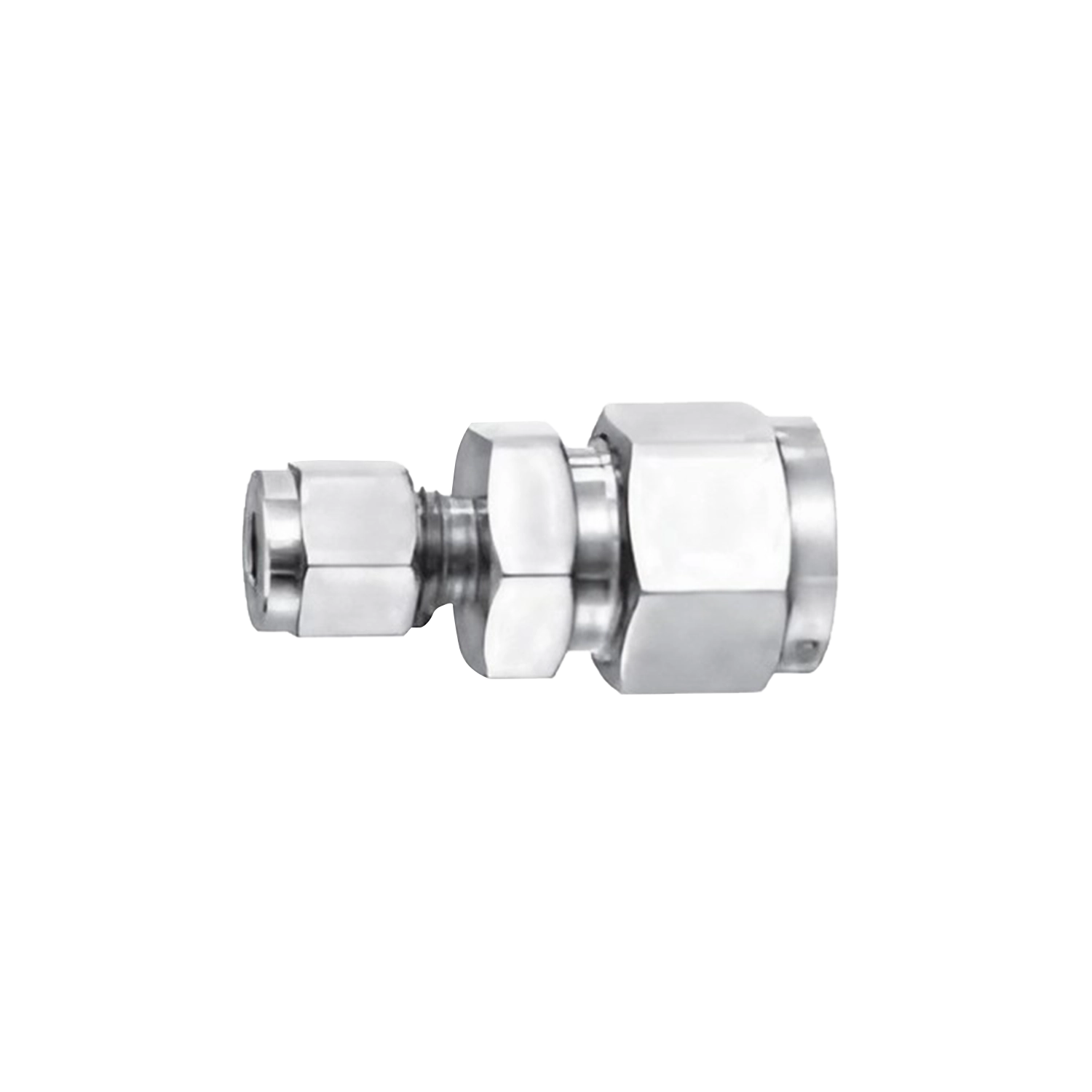
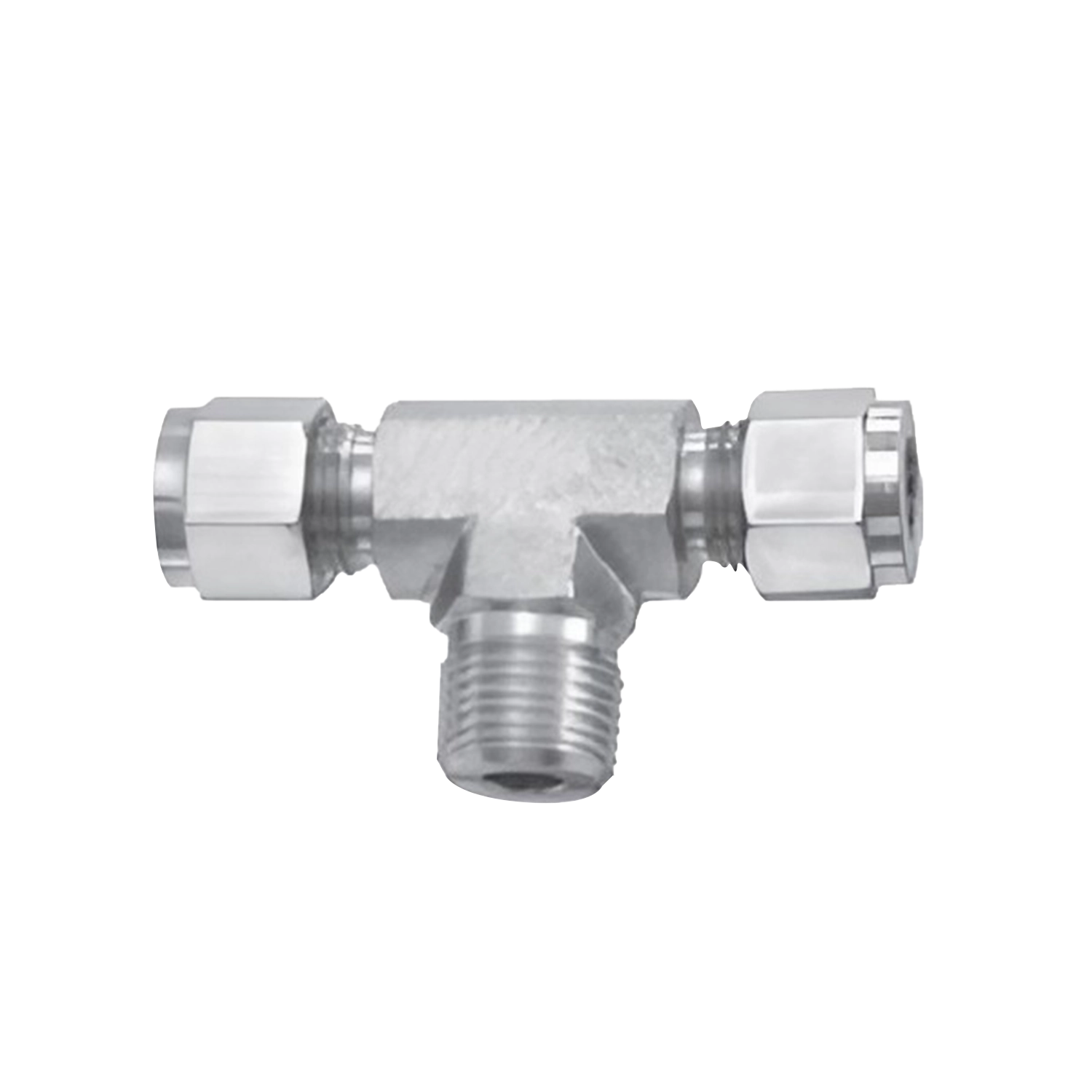
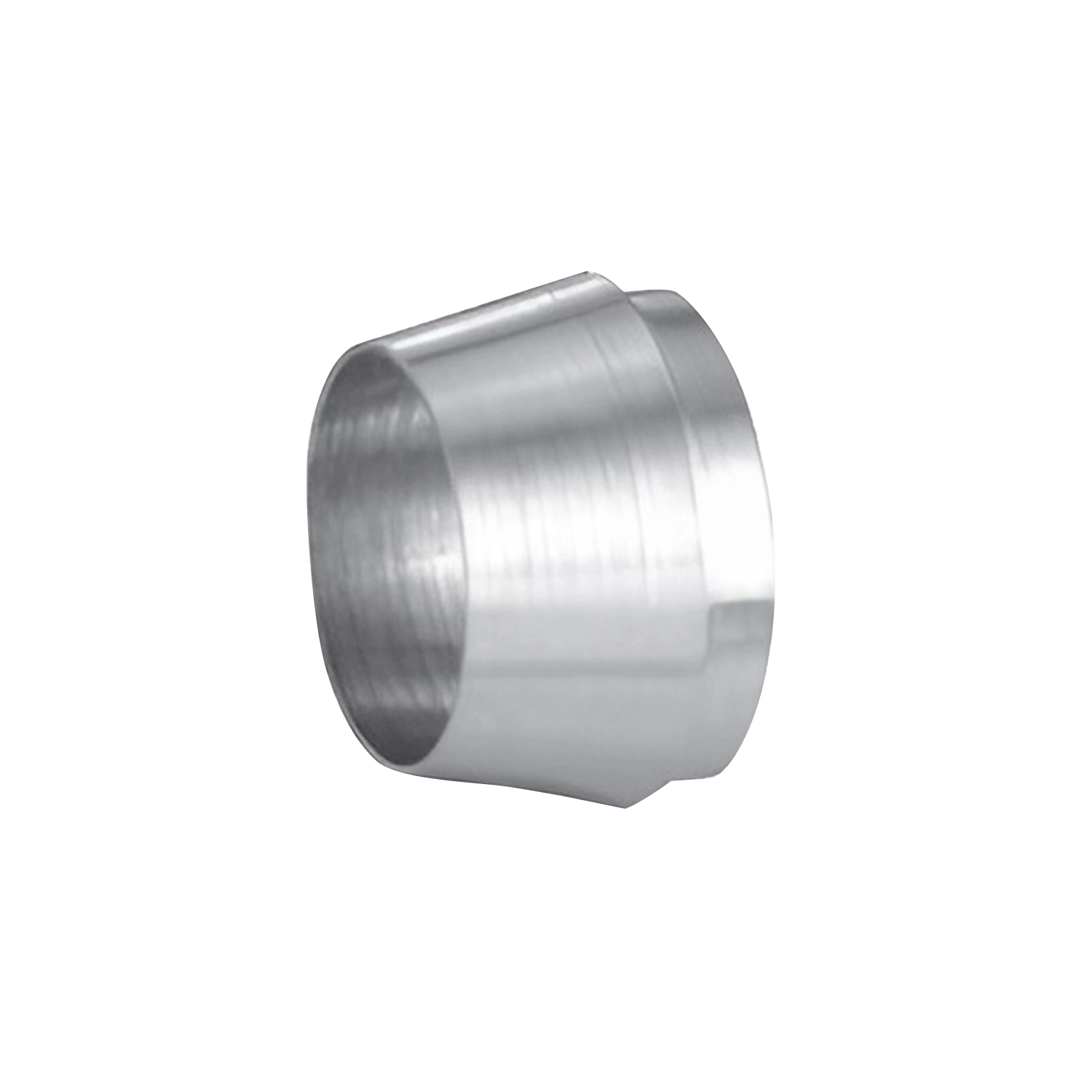
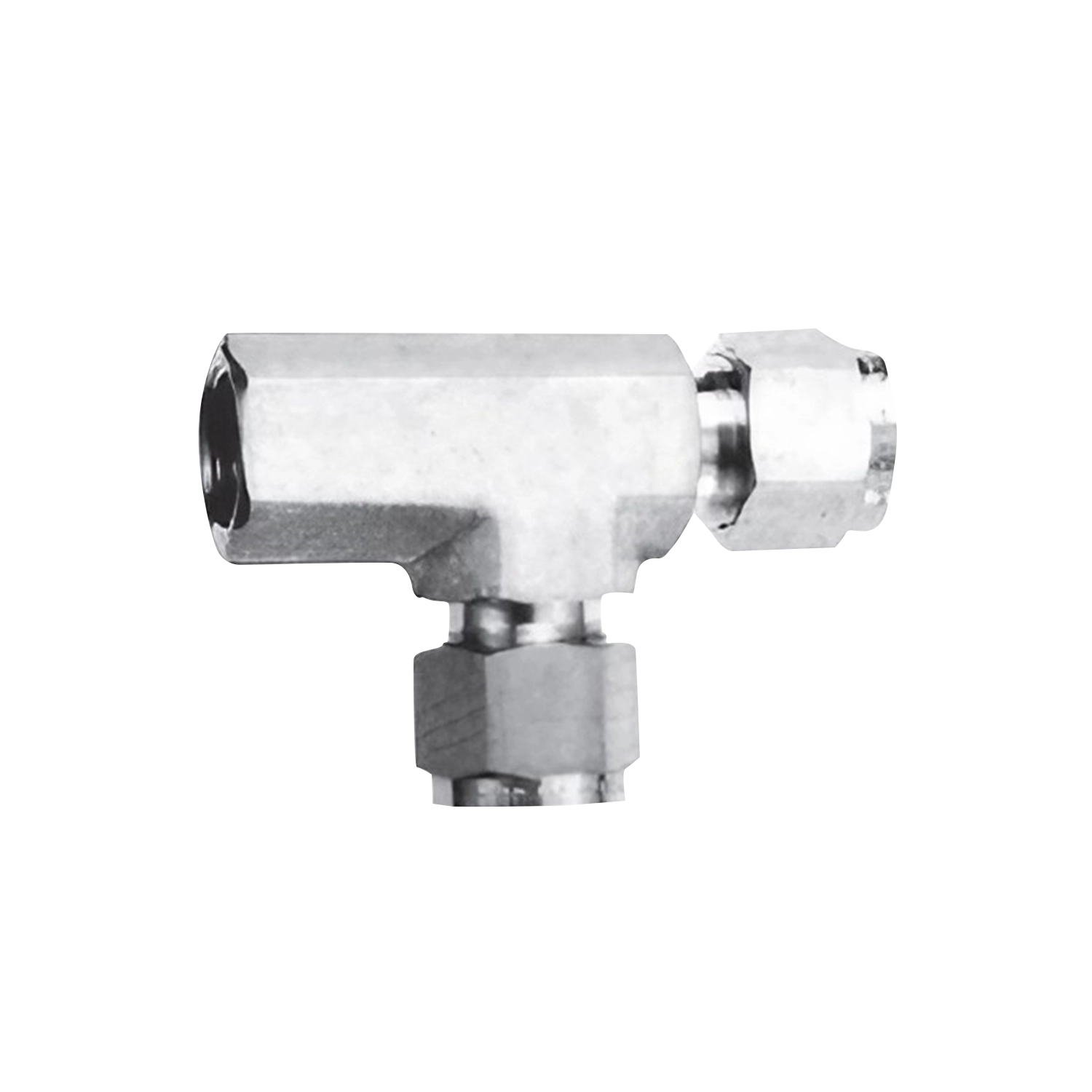
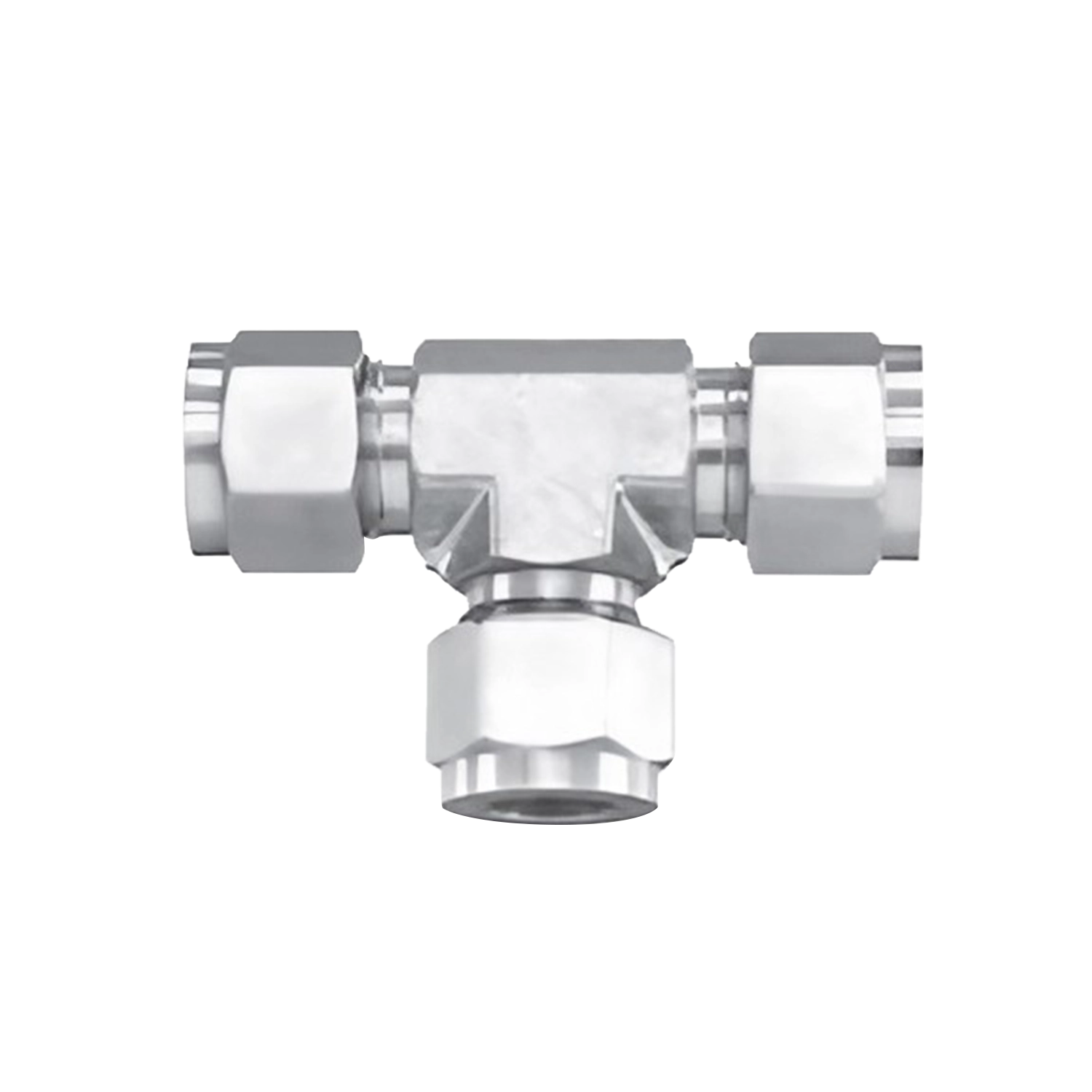
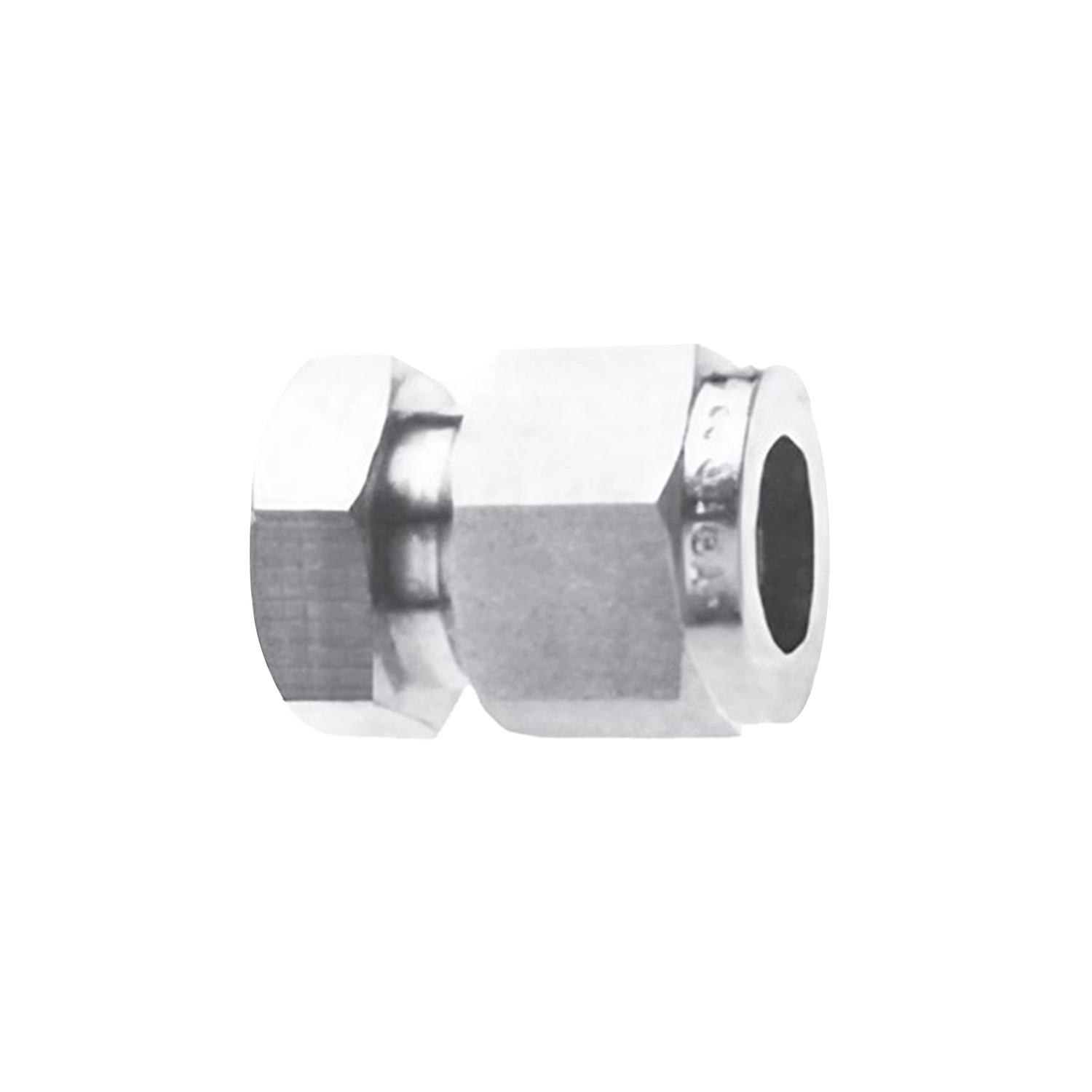
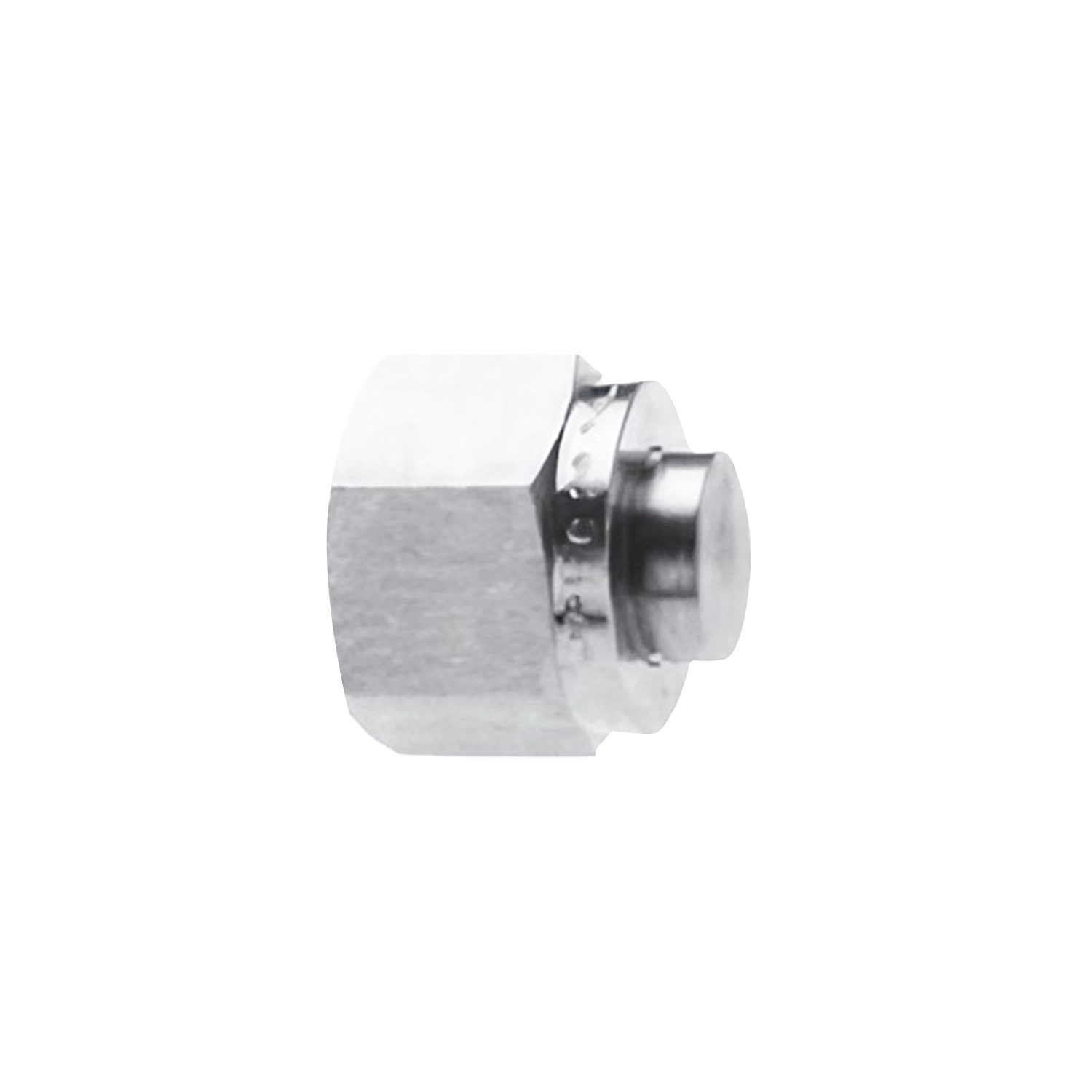
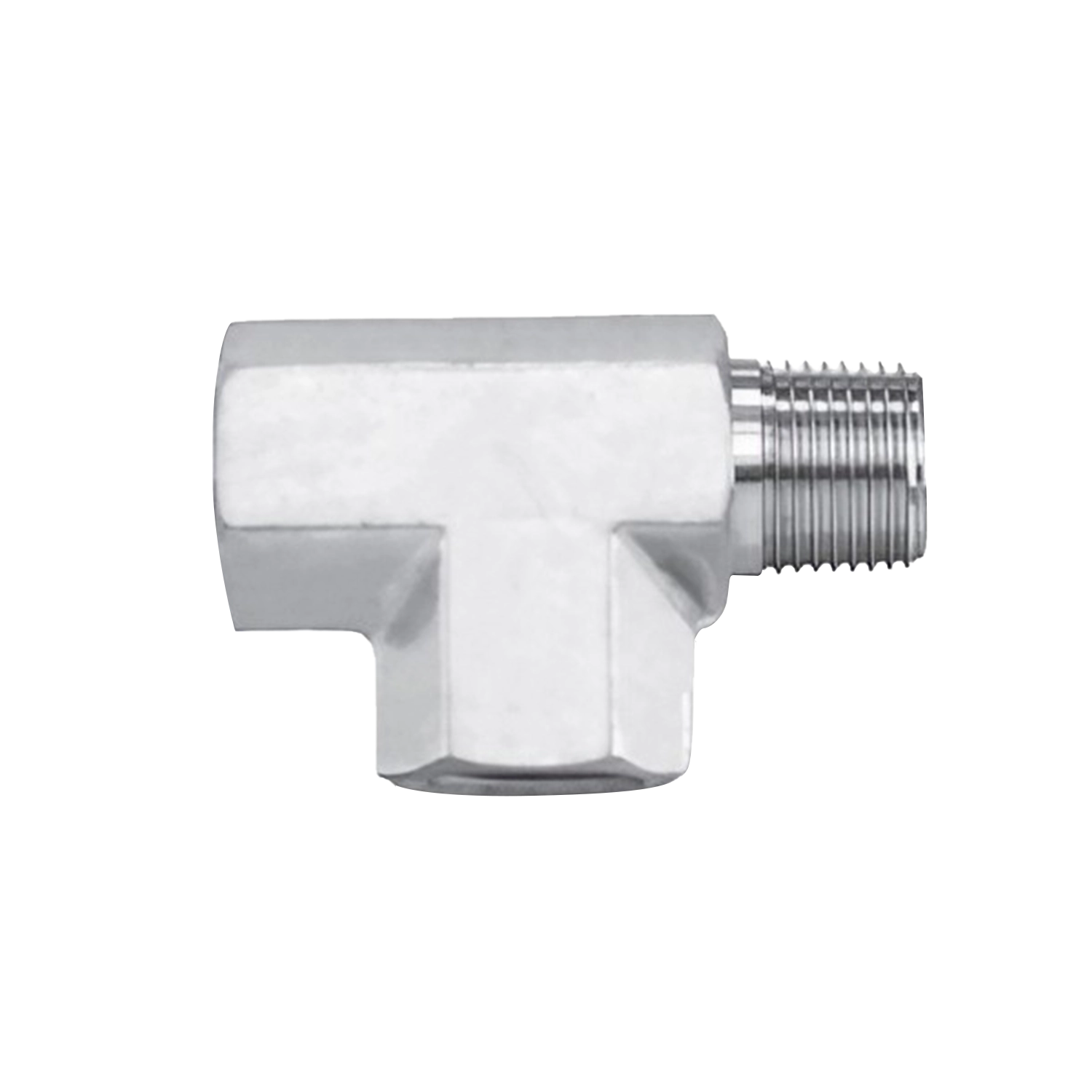
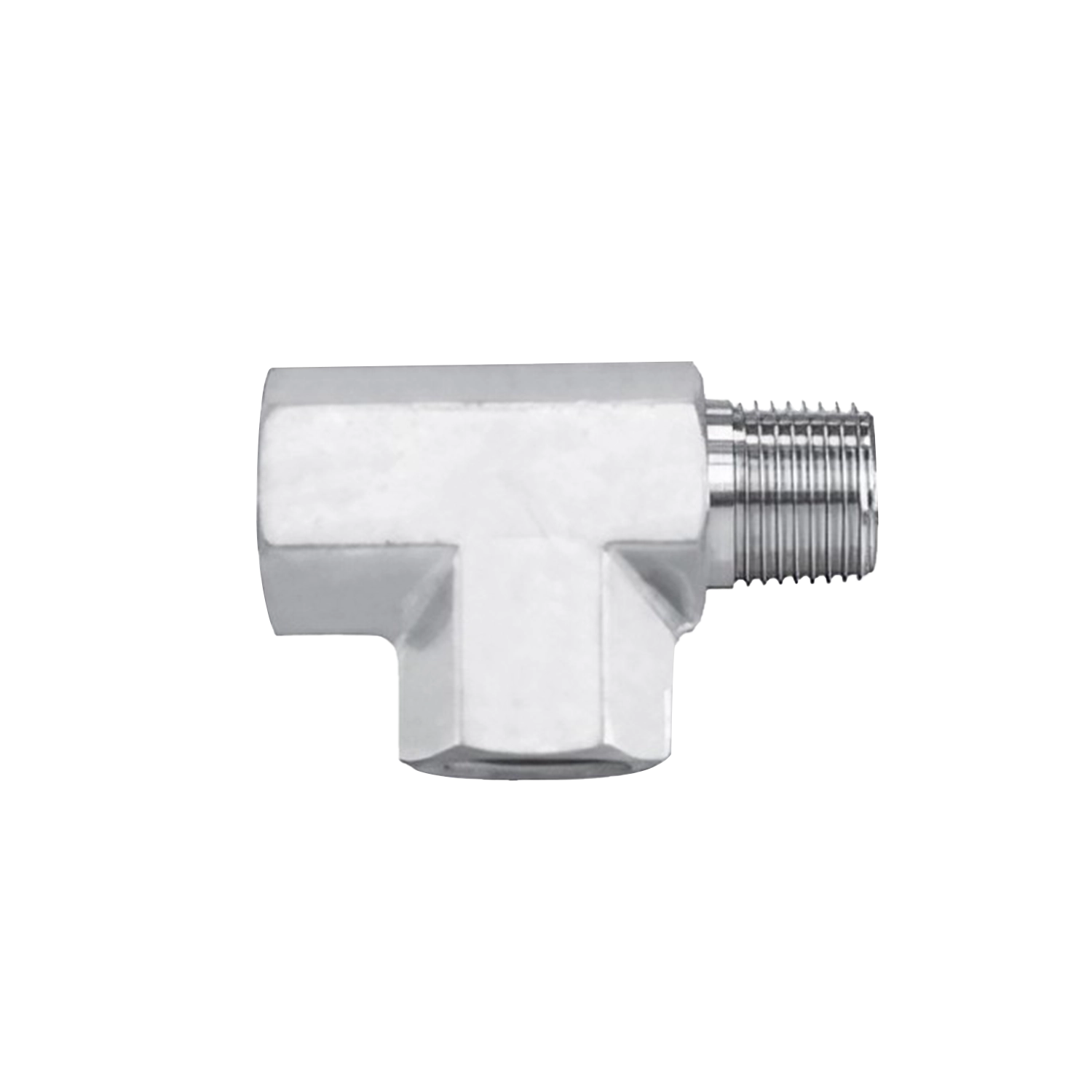
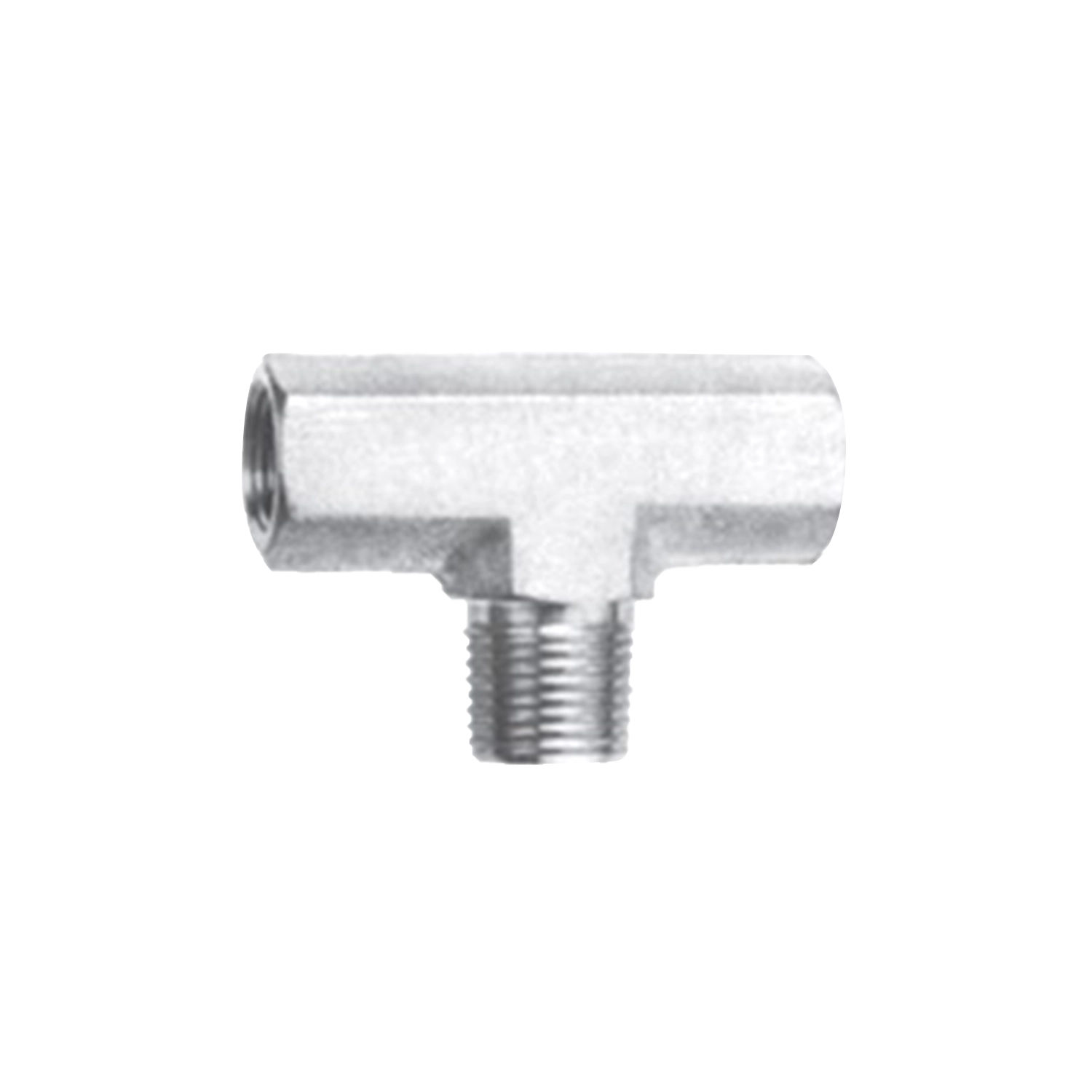
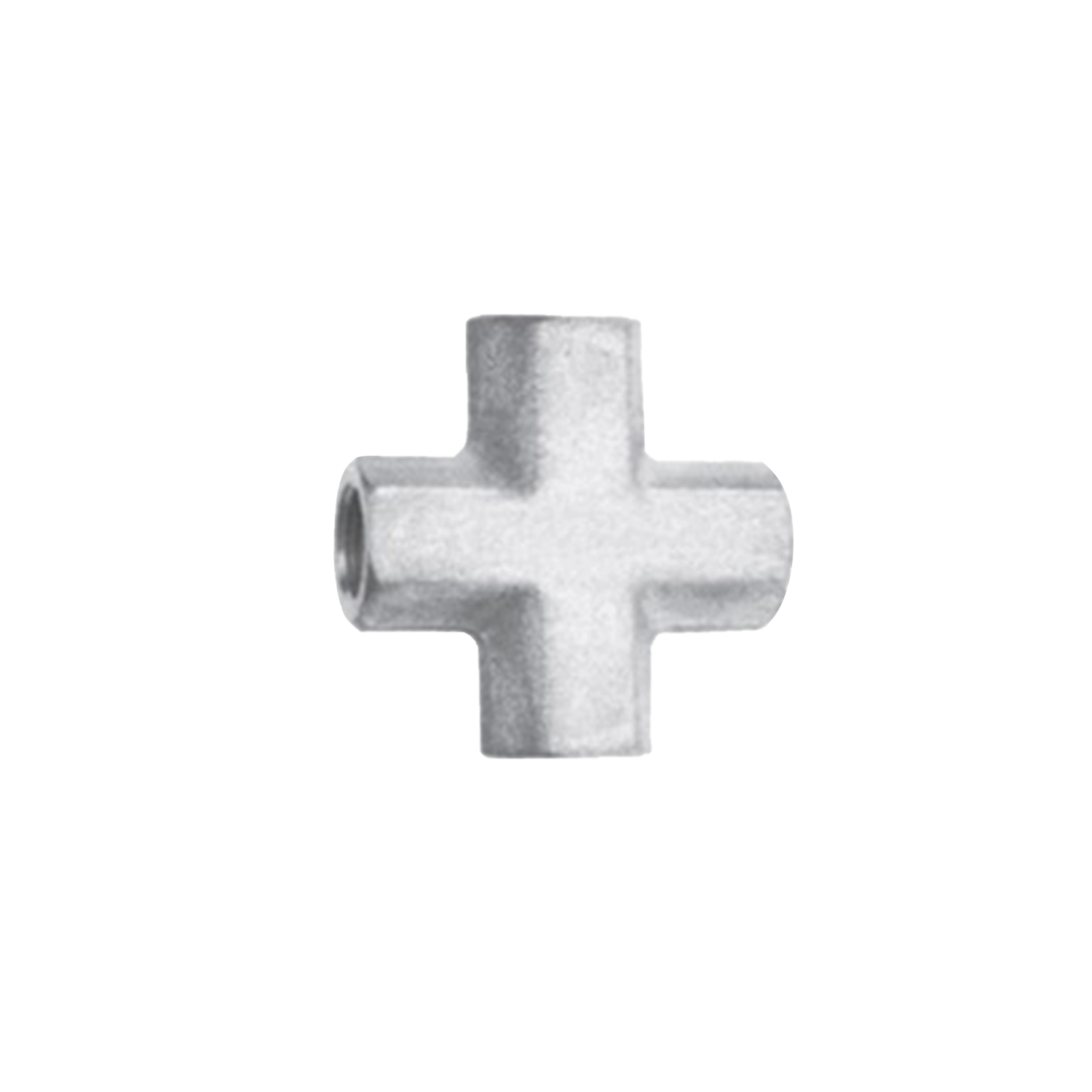
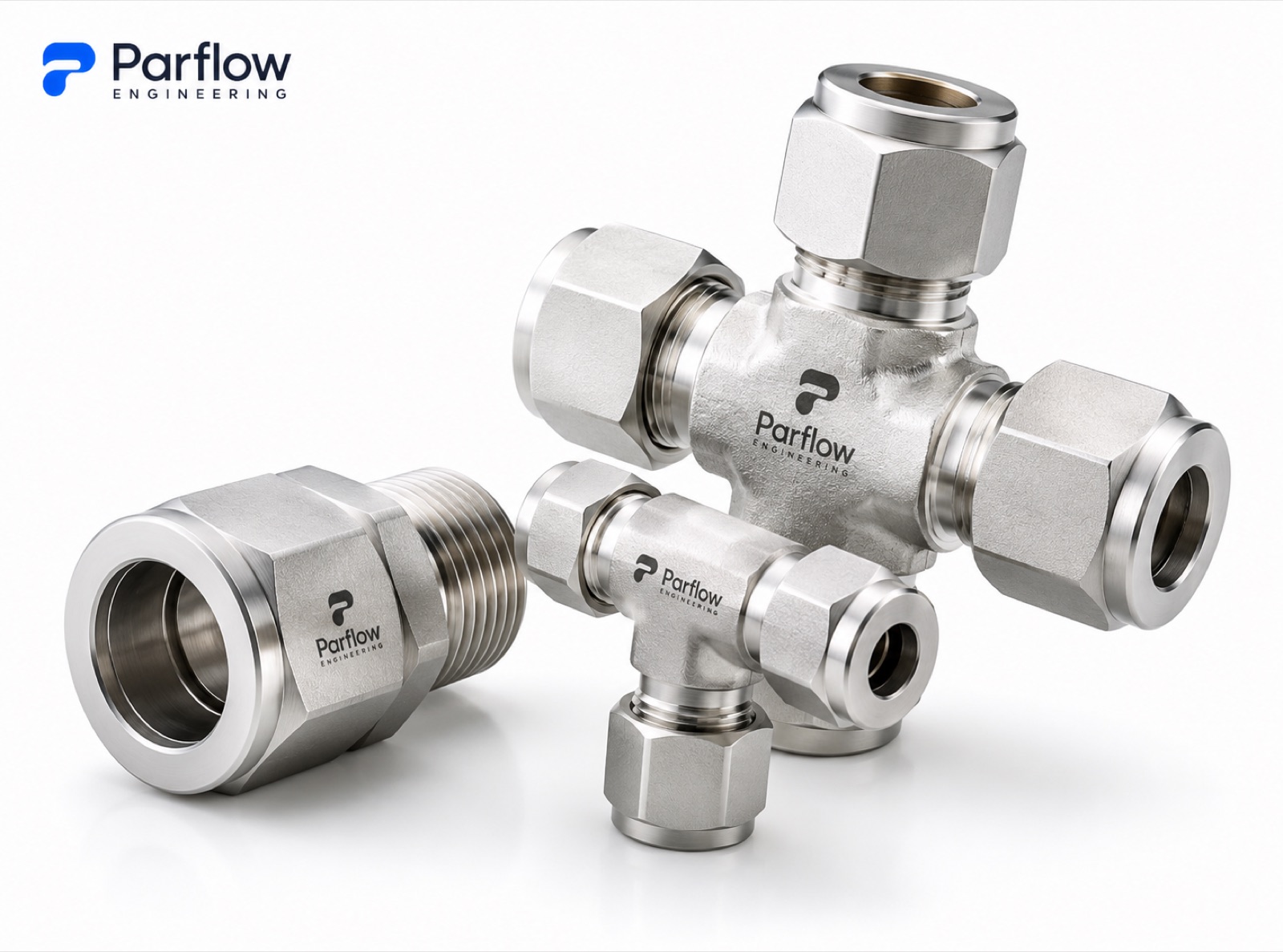
Instrumentation valves, tube fittings, manifolds, double block and bleed, monoflange, high-pressure fittings, air headers, condensate pots, and accessories, engineered for interchangeability and long service life. Every family runs through the same process controls, so a fitting and the valve it lands on carry the same evidence.
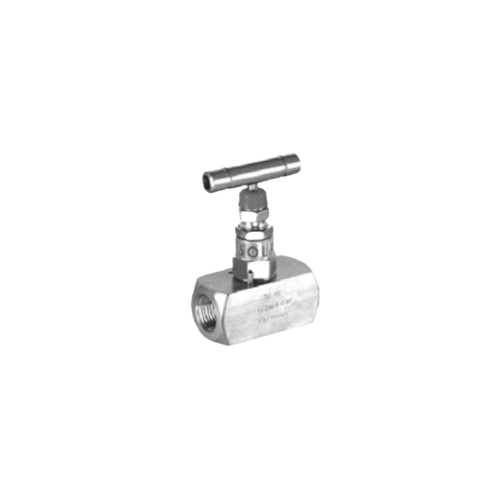
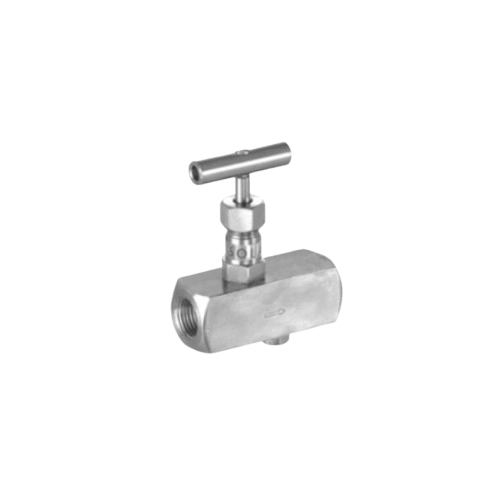


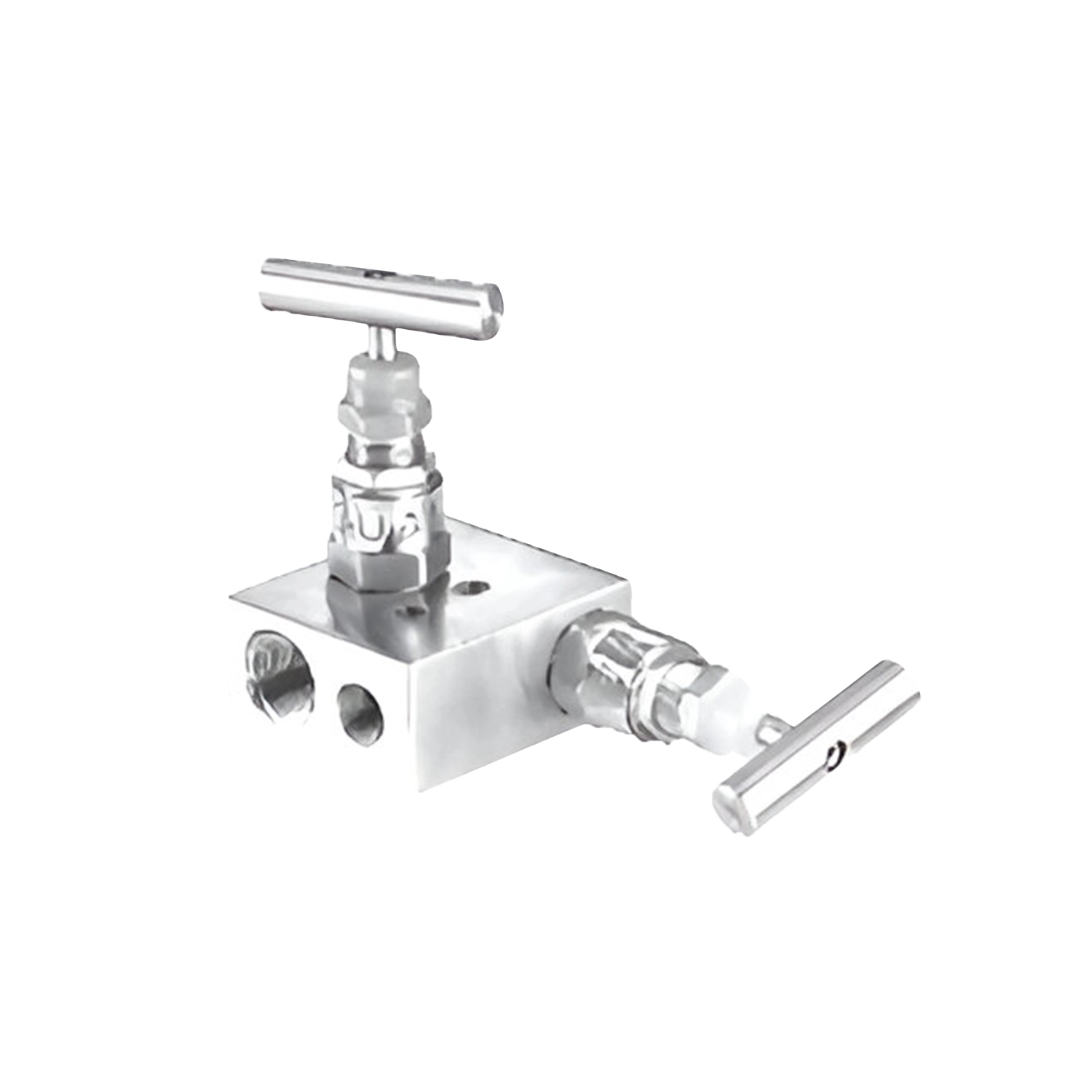
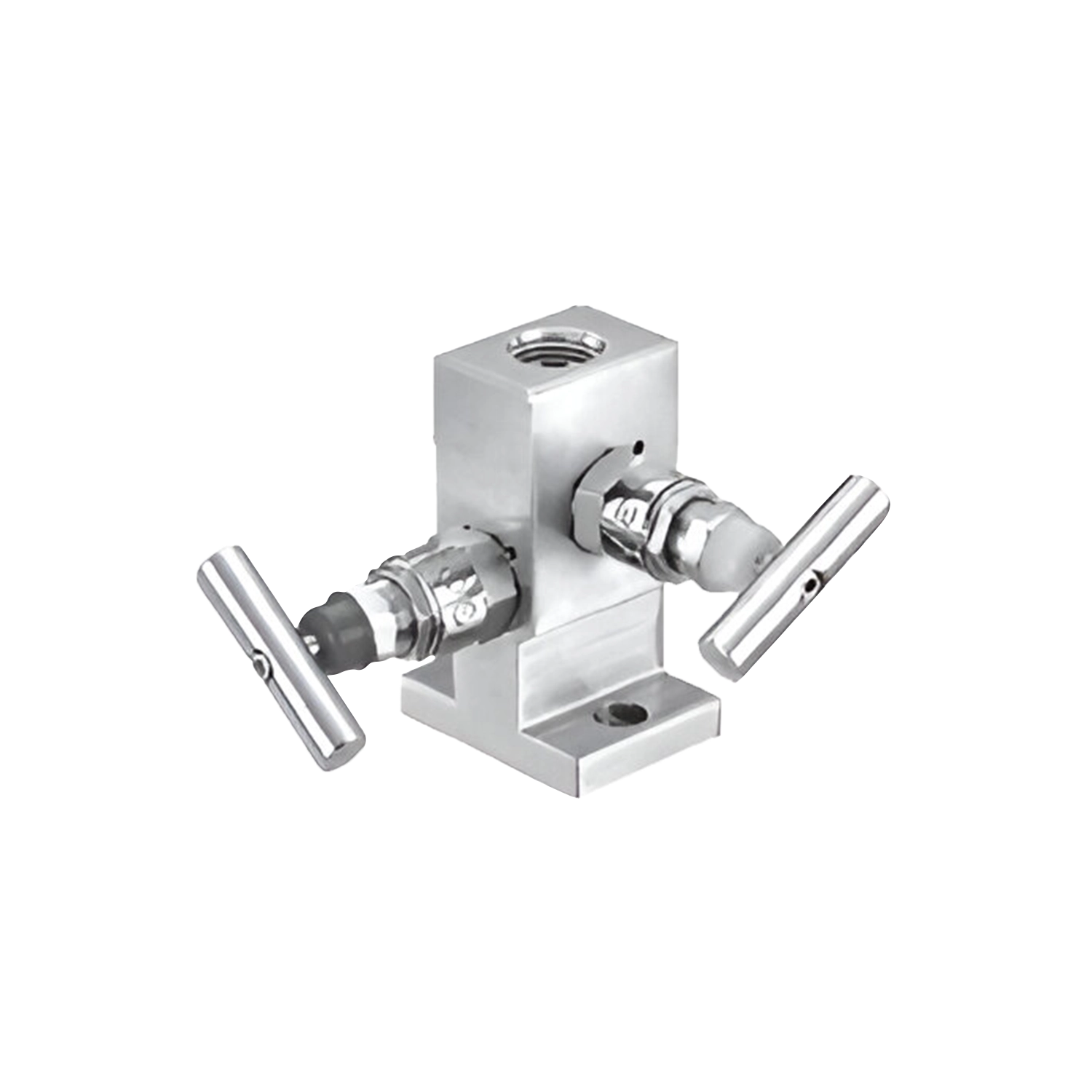
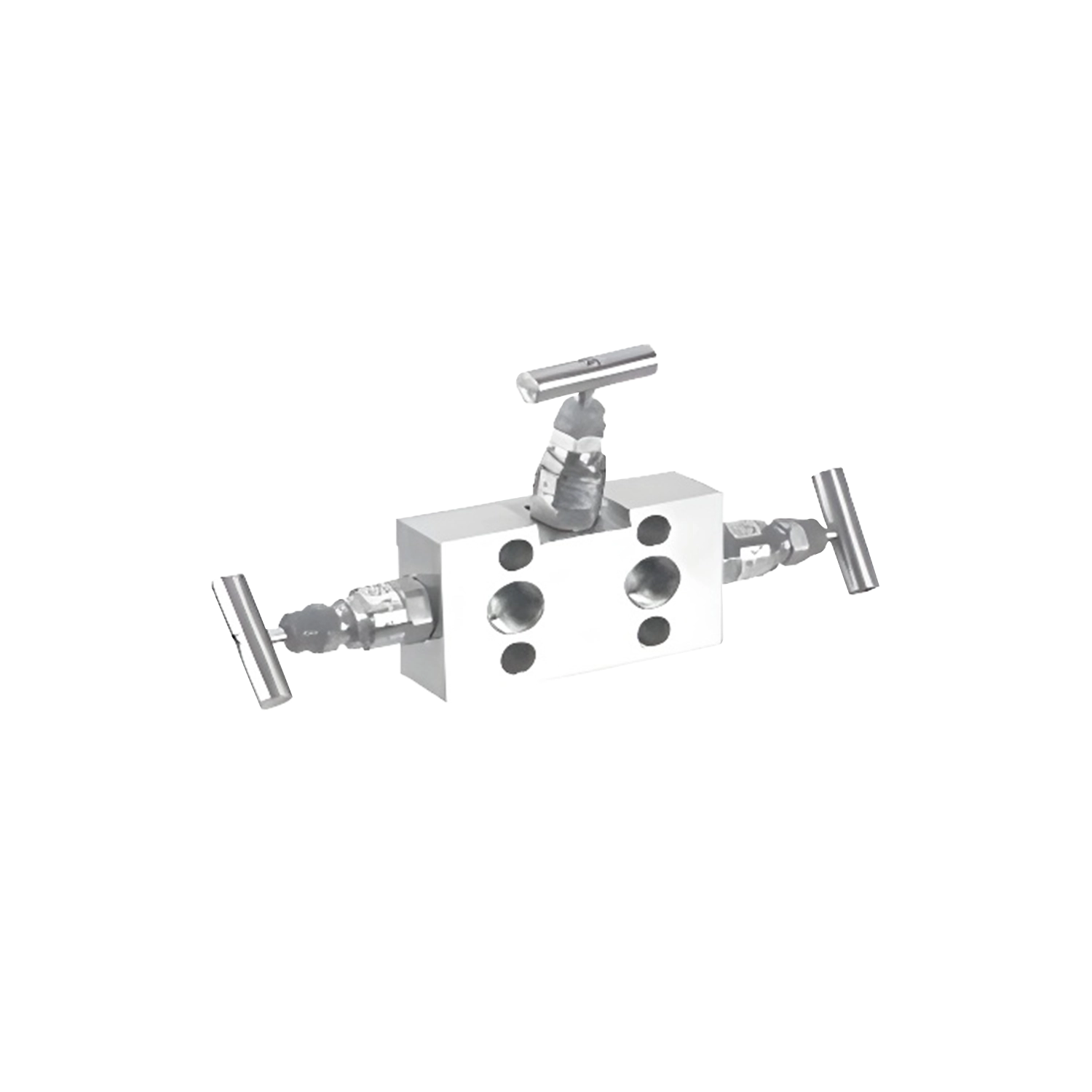
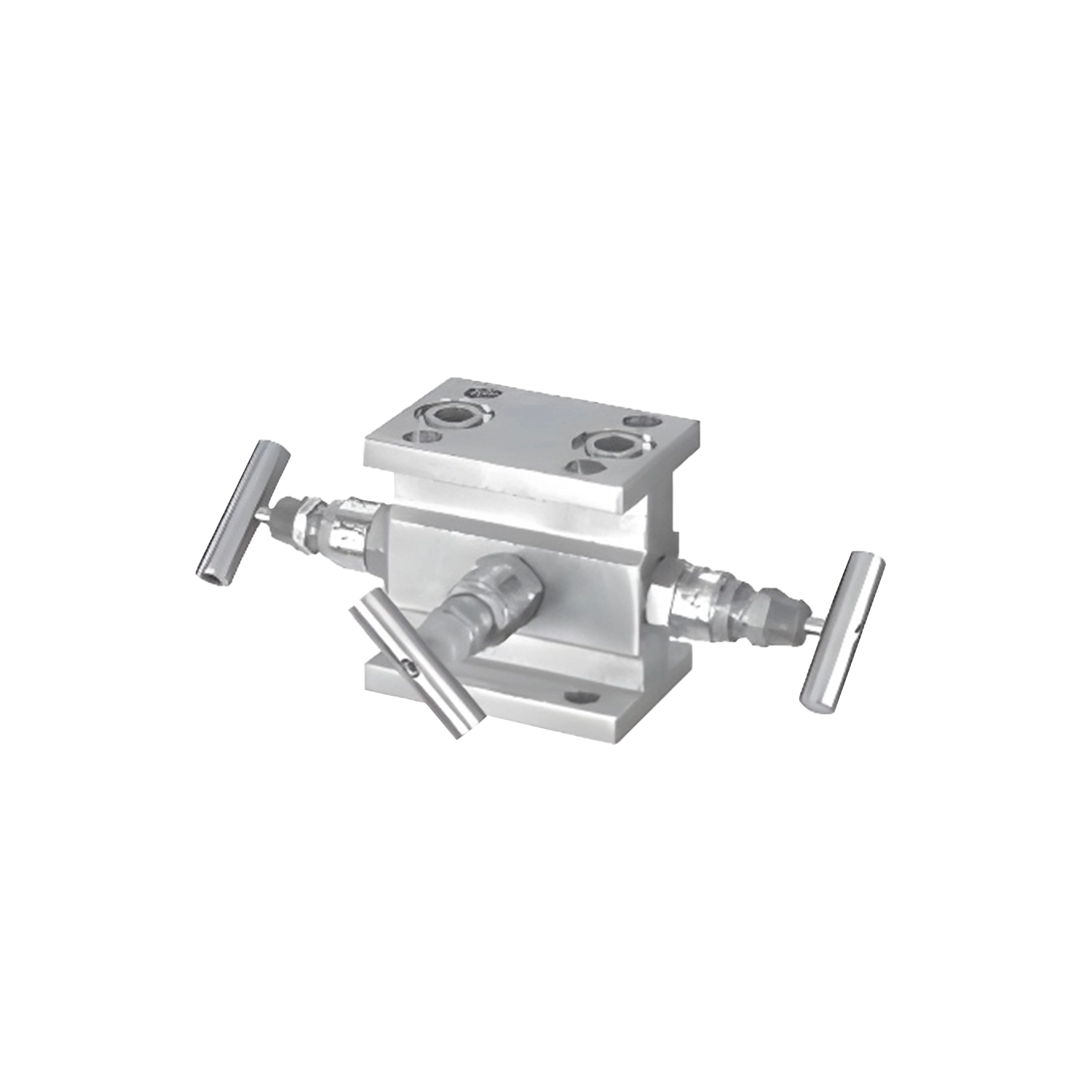
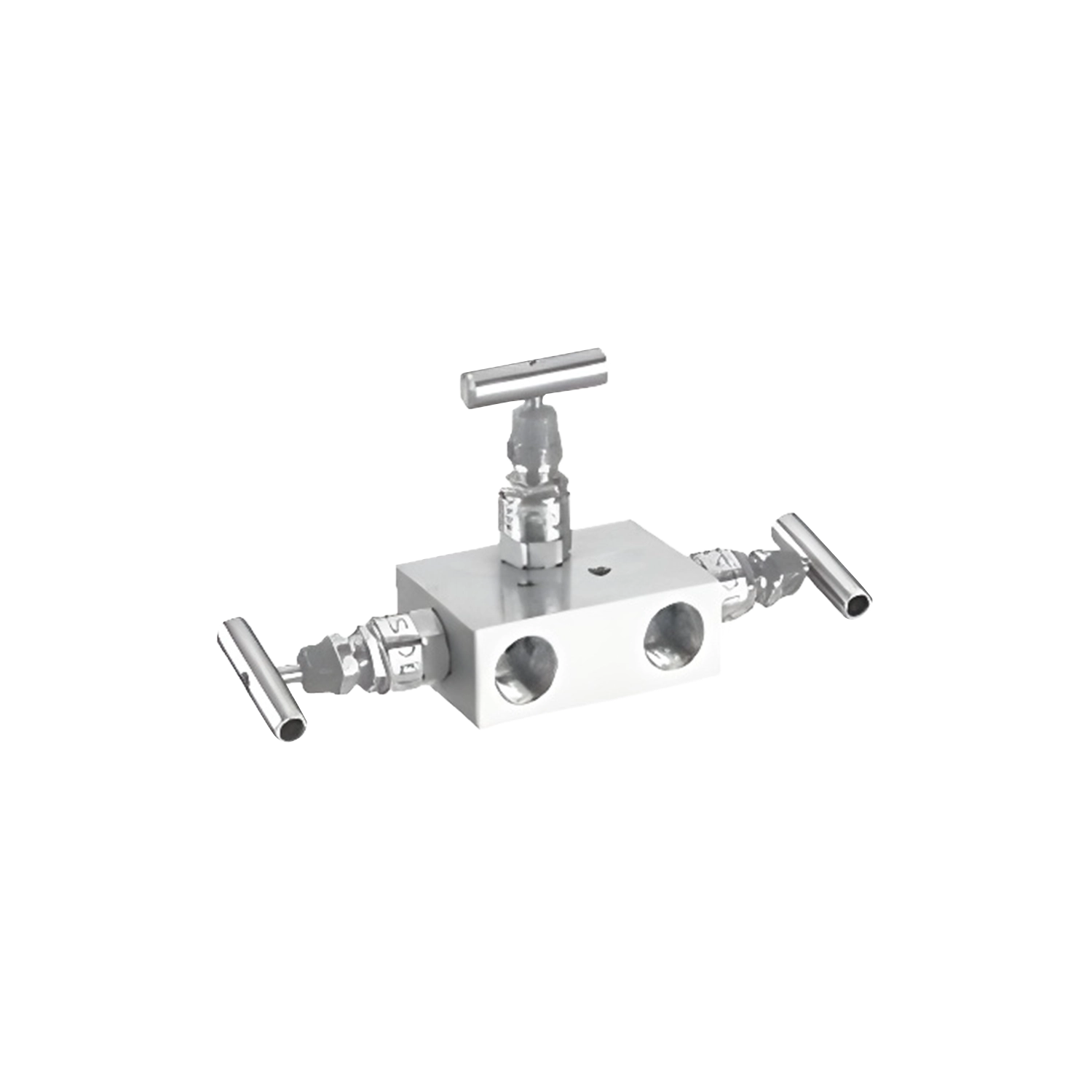
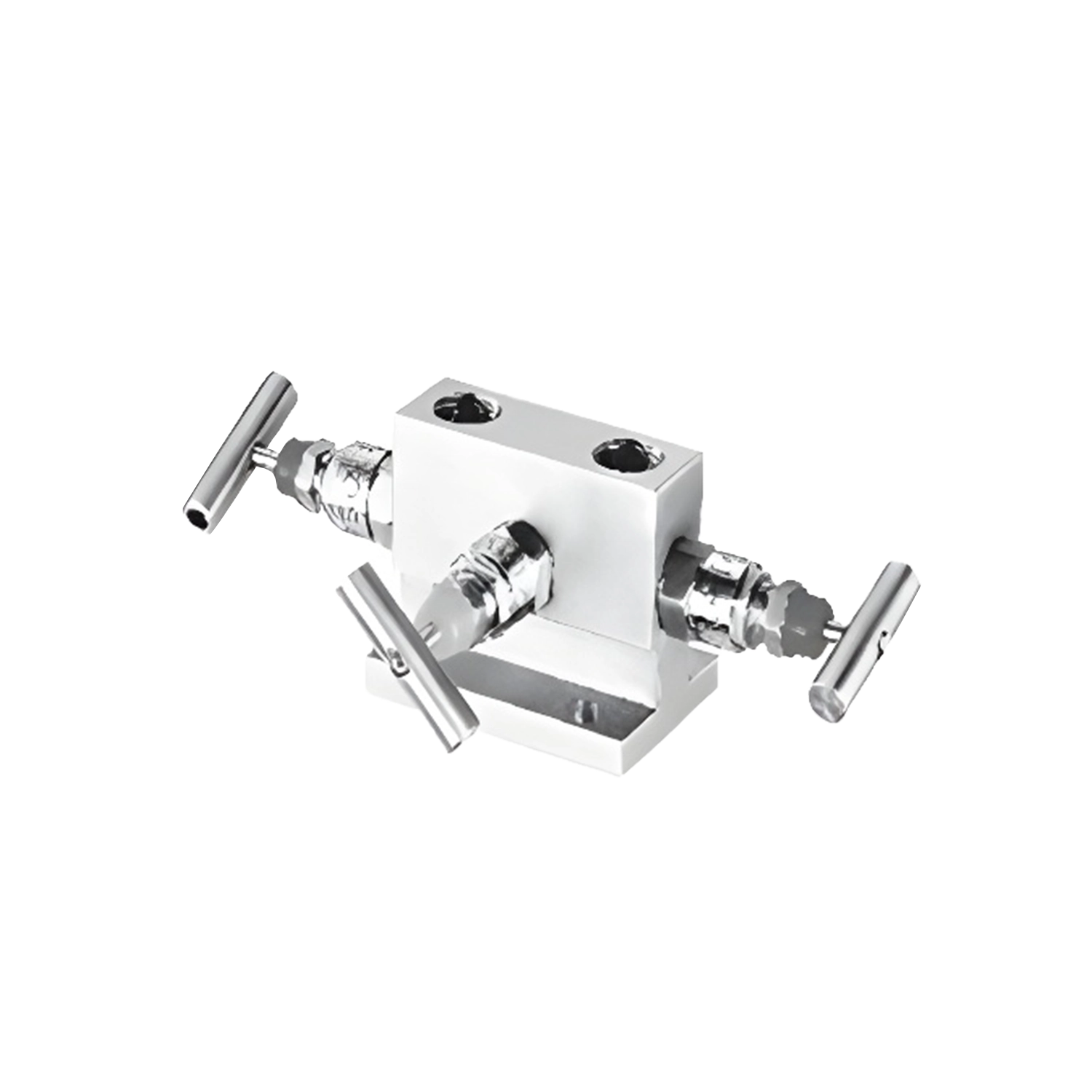
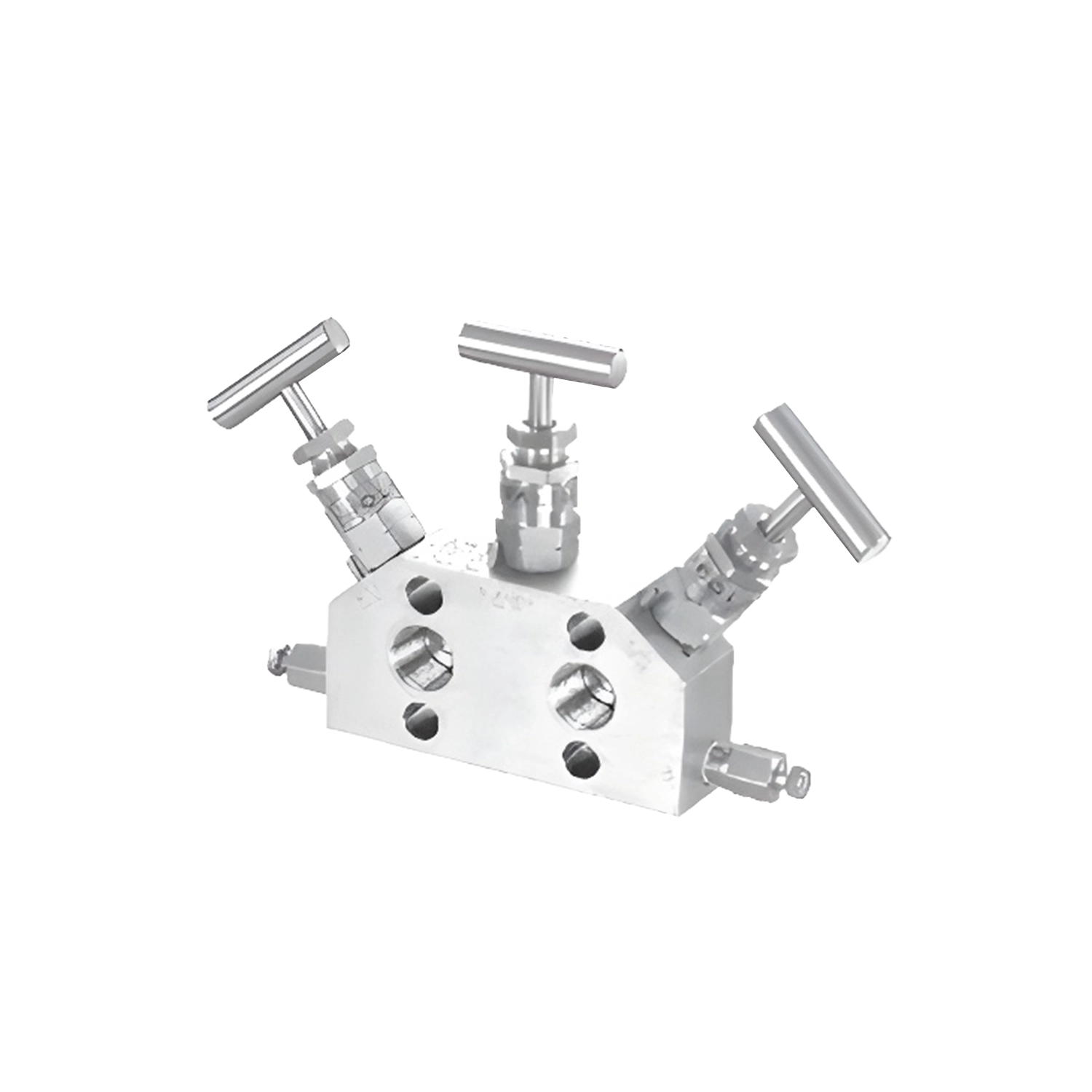
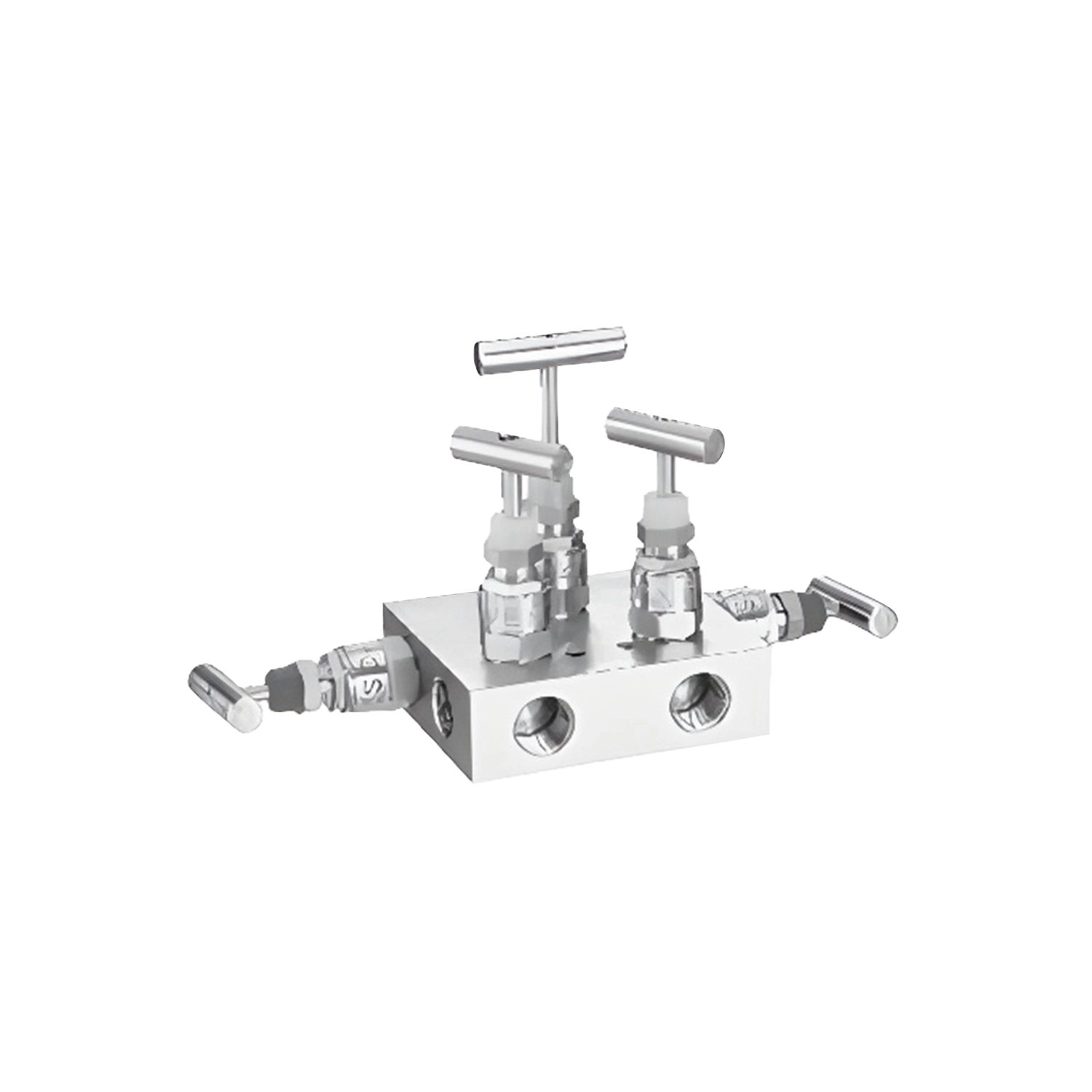
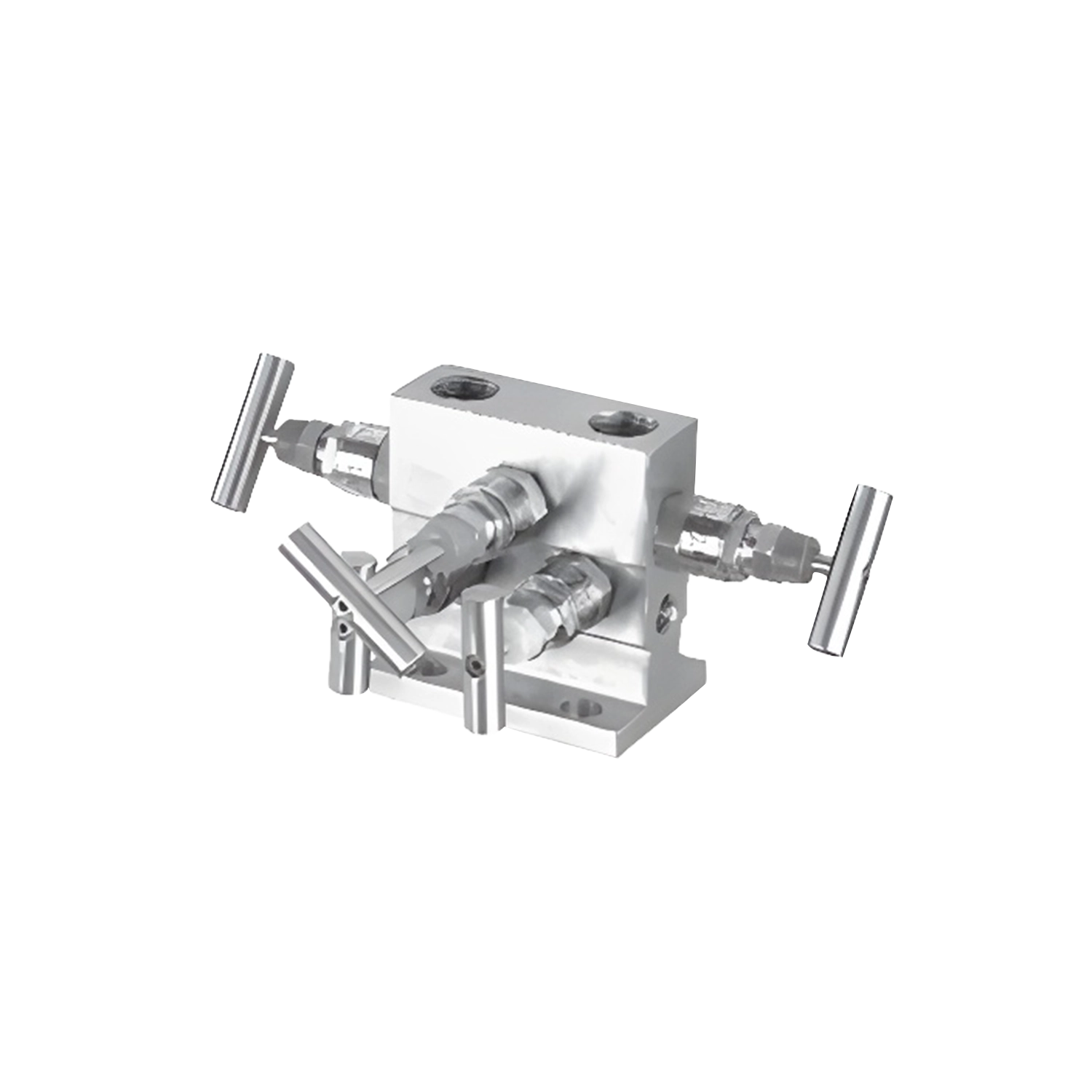
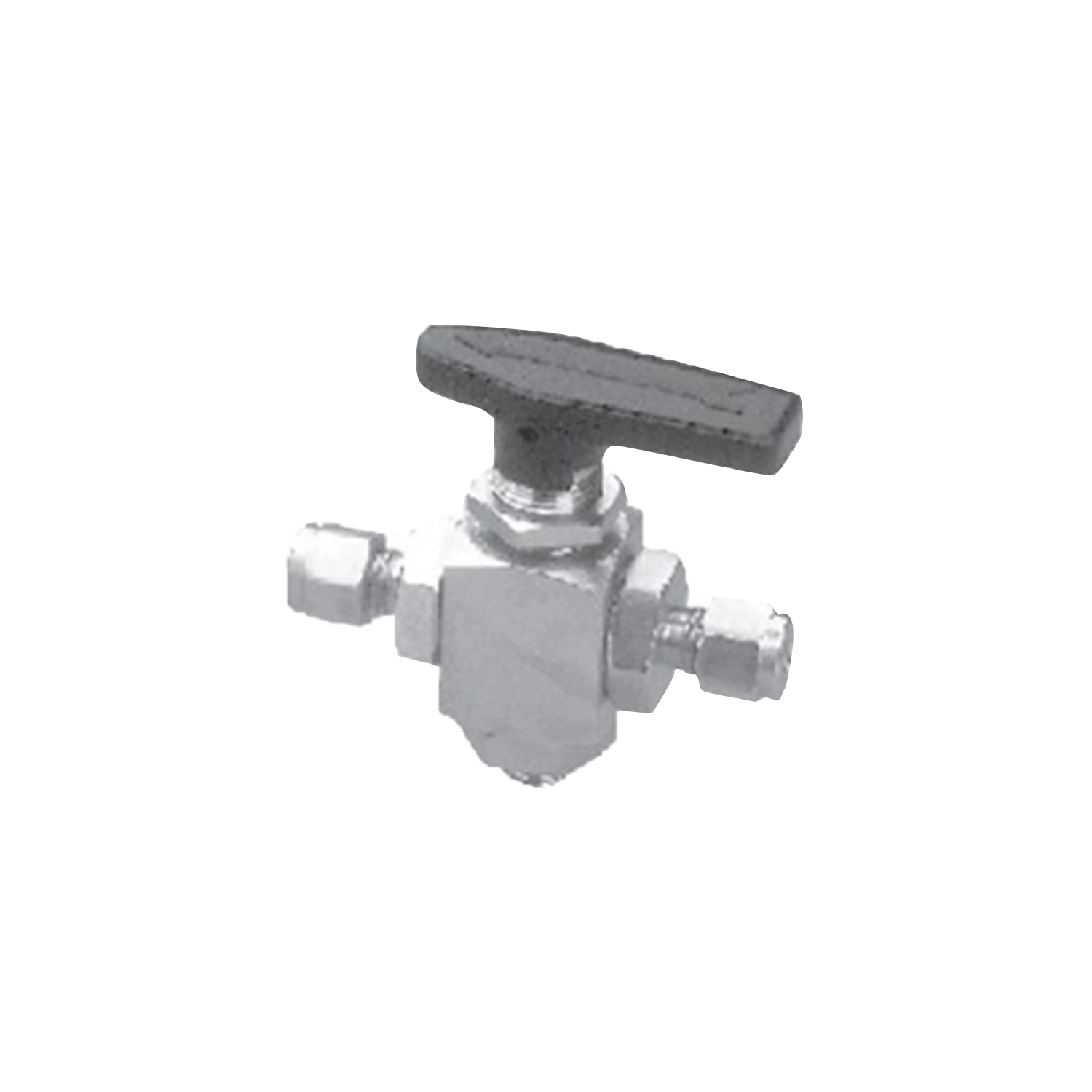
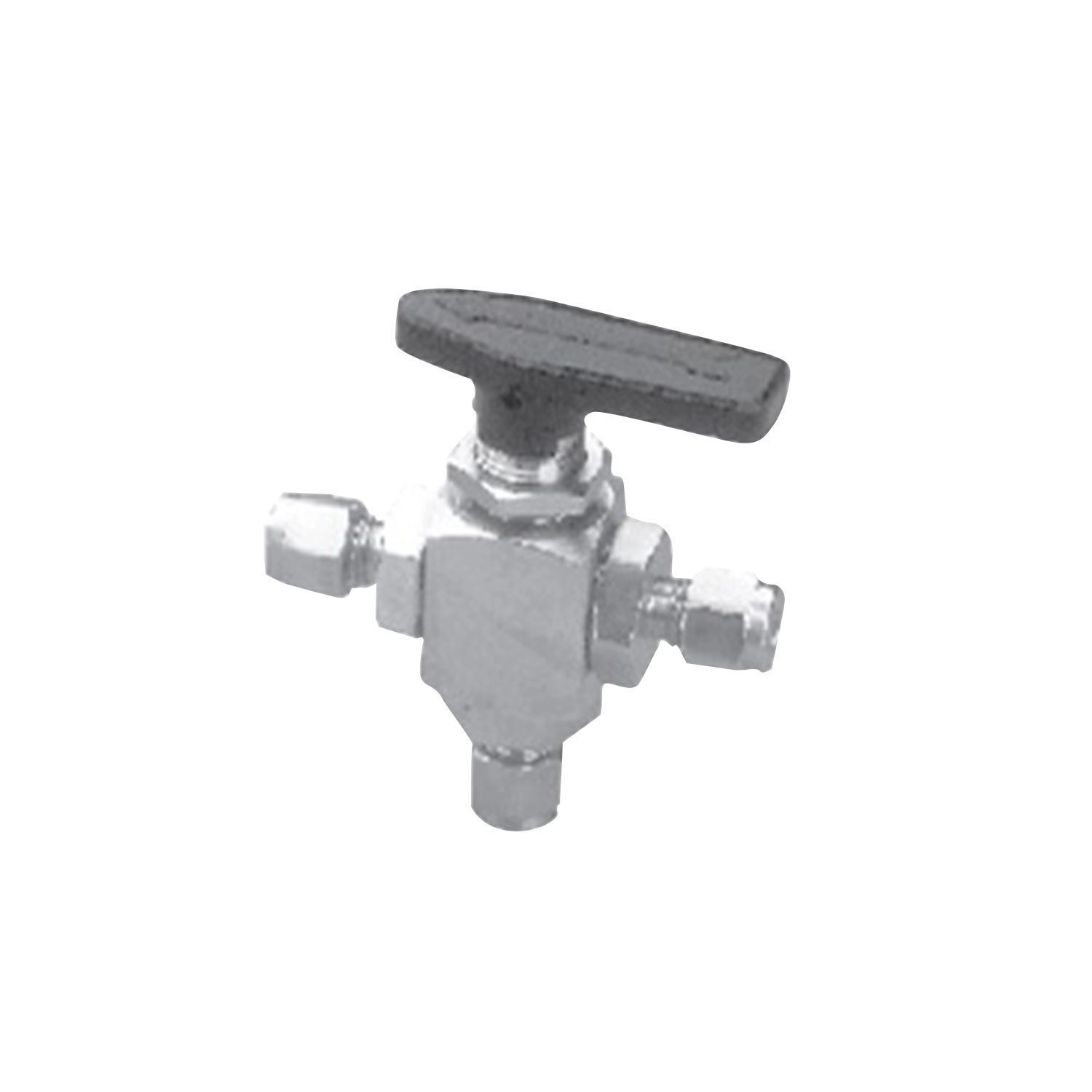
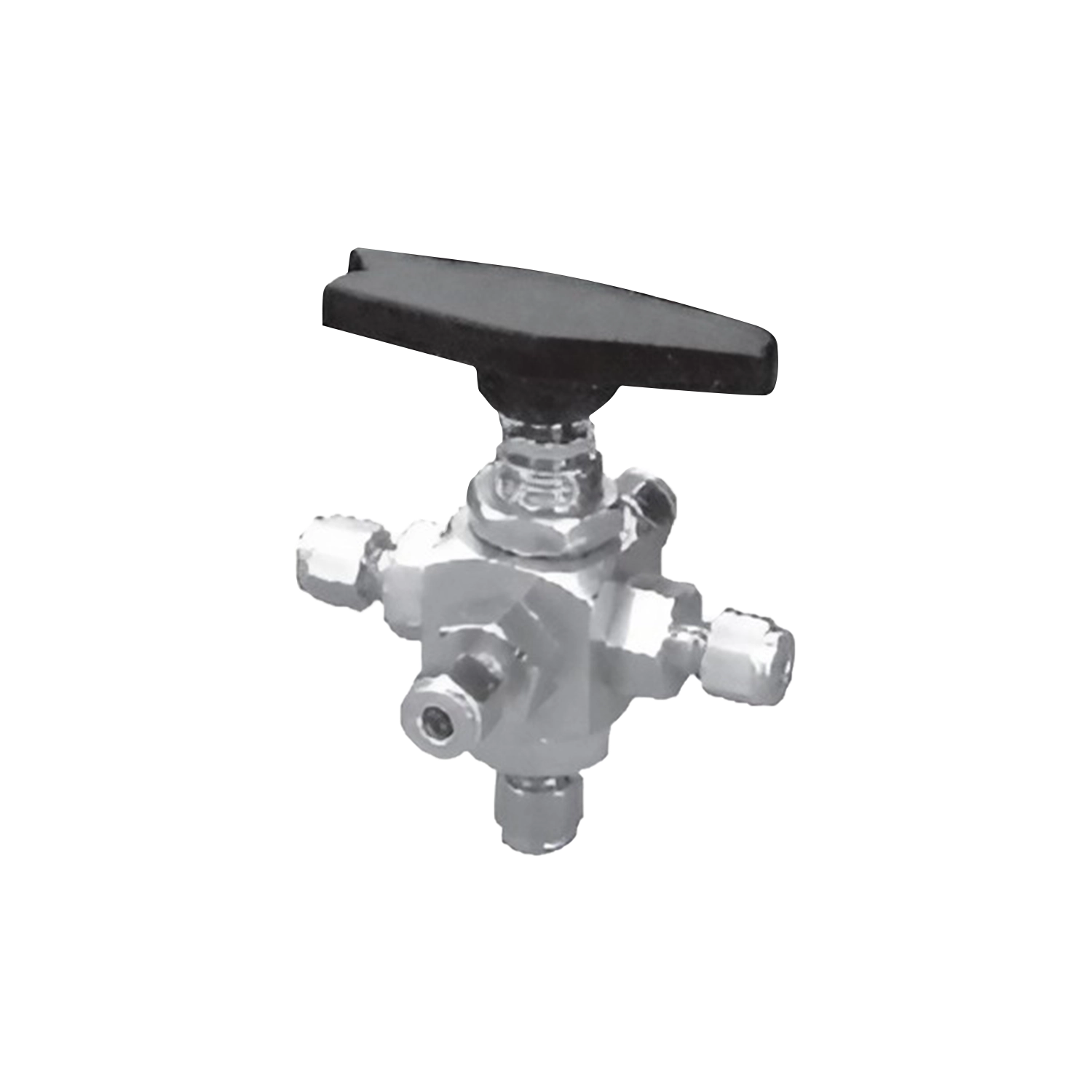
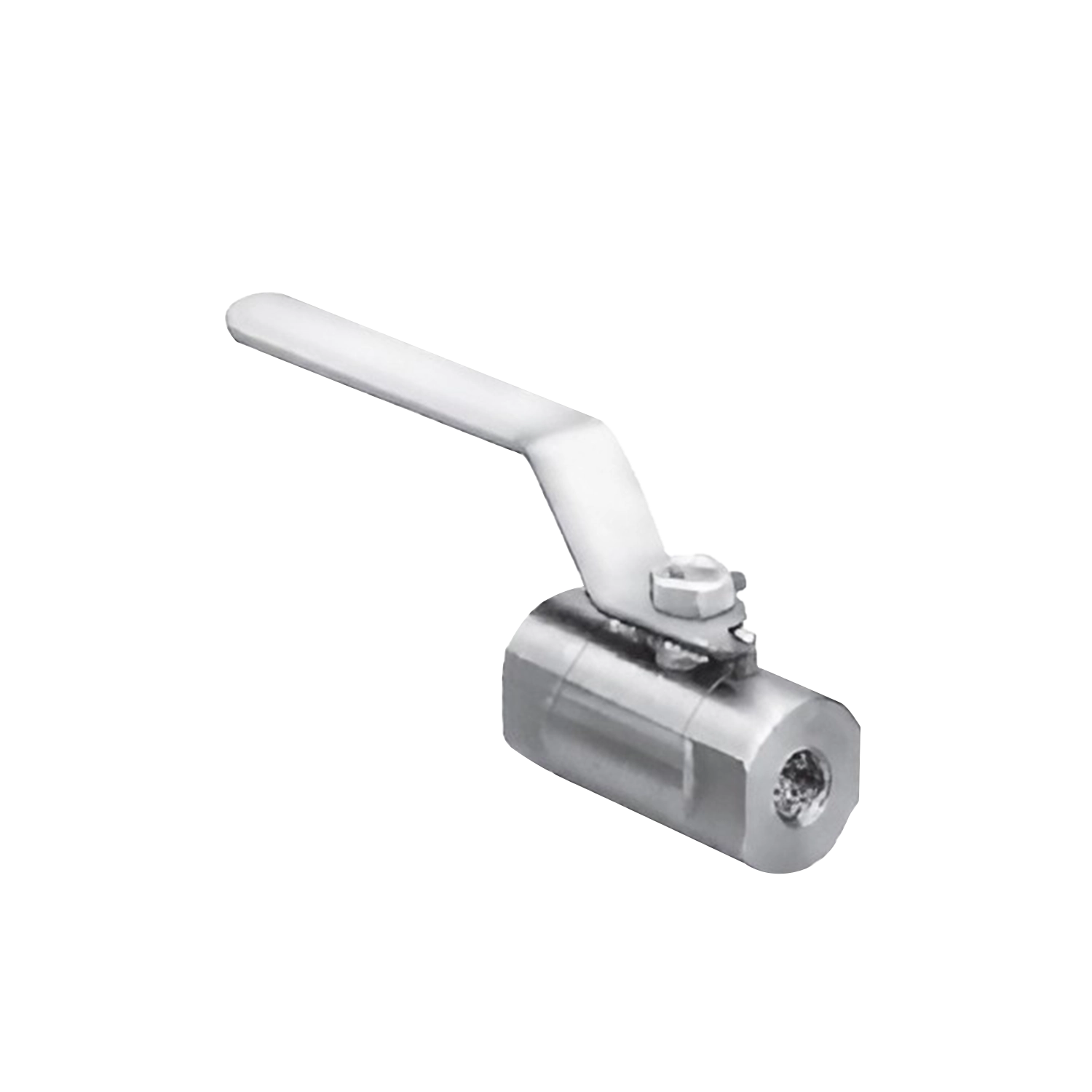
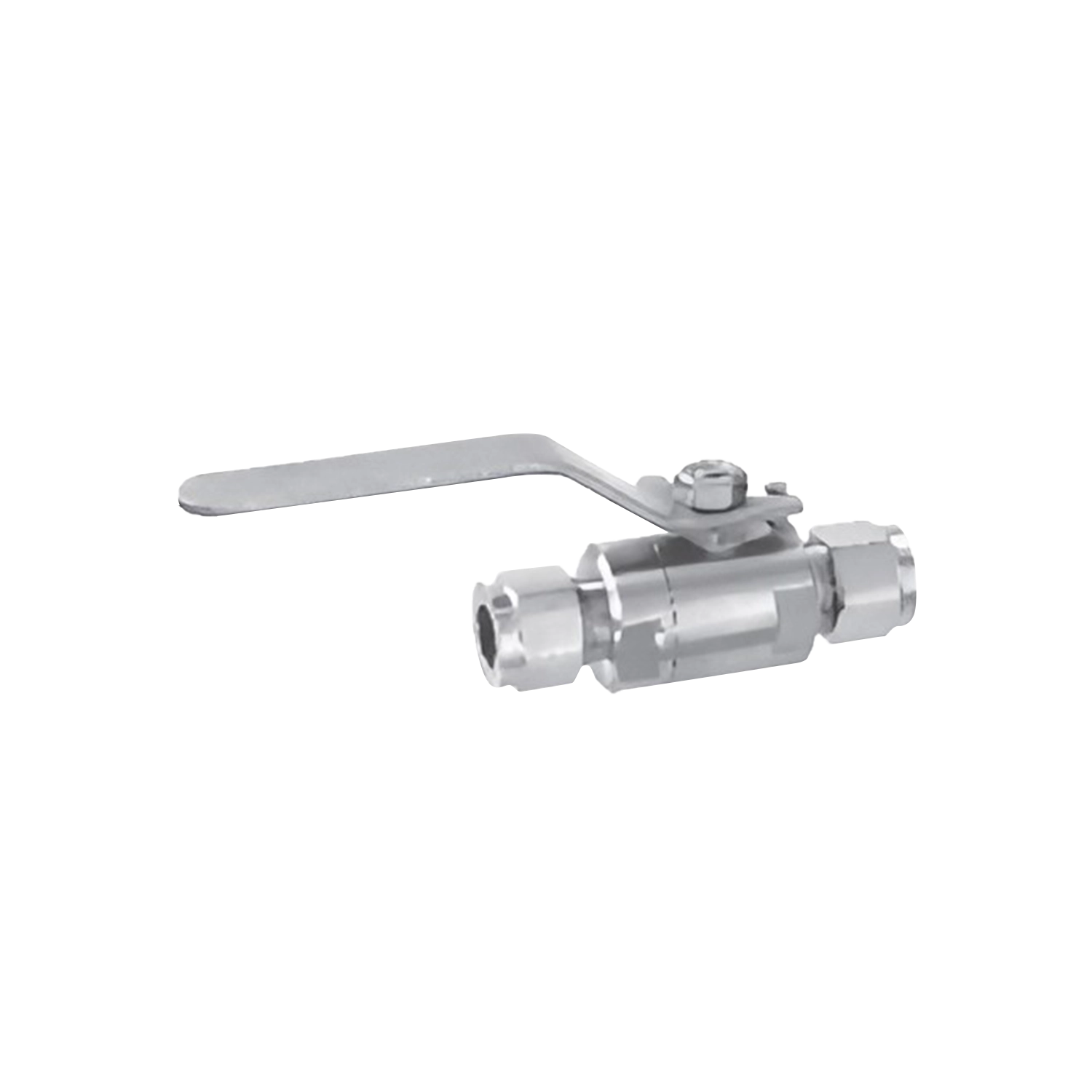
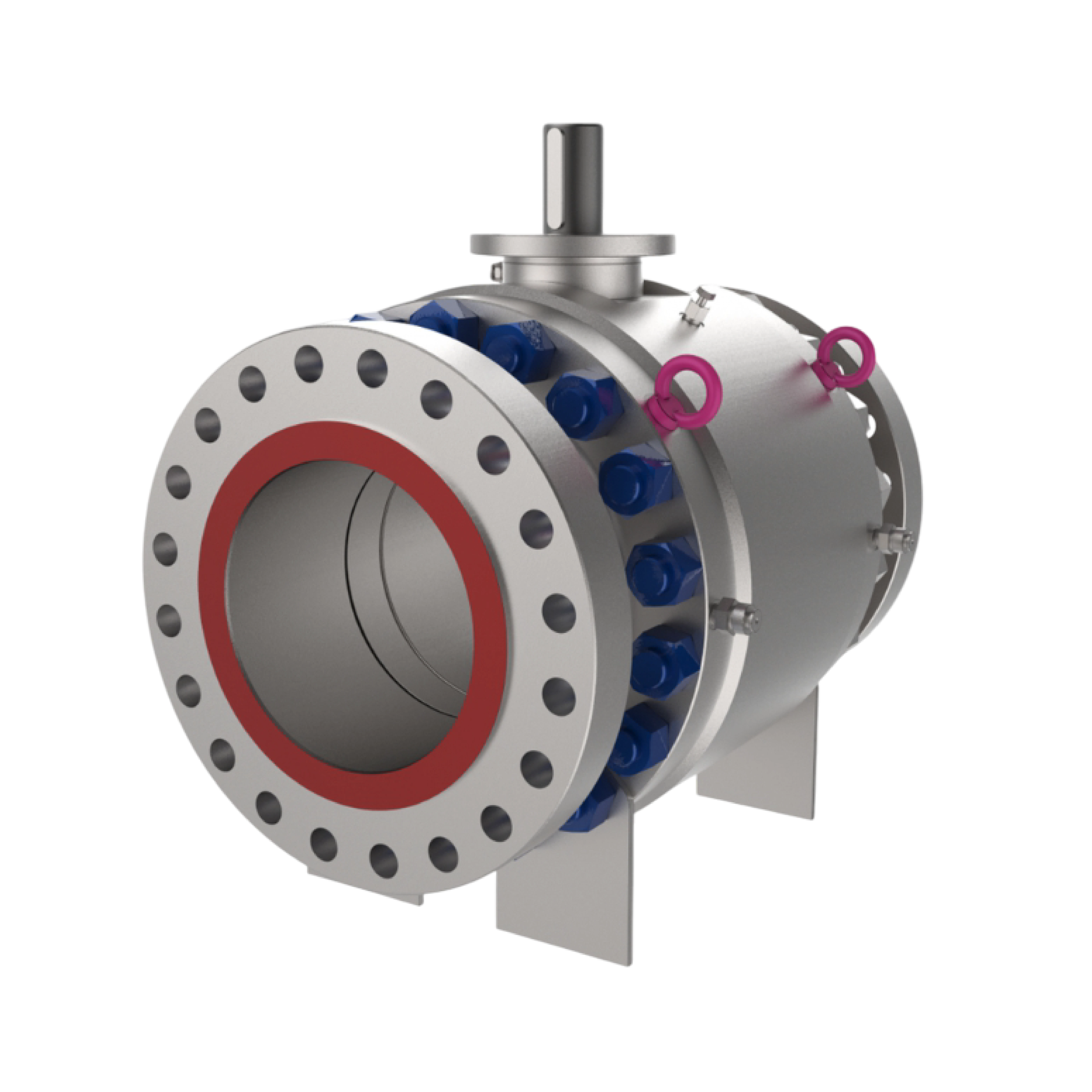
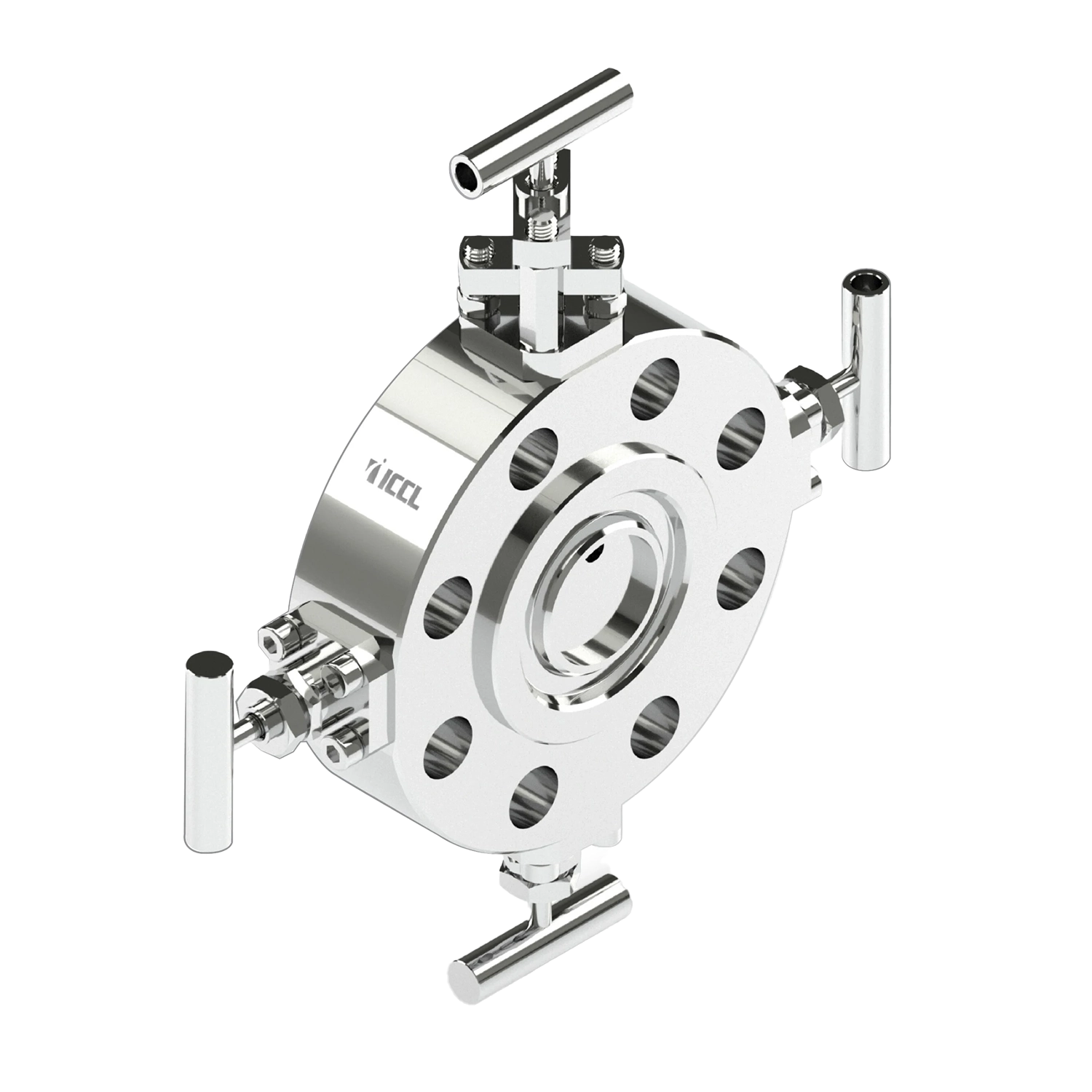
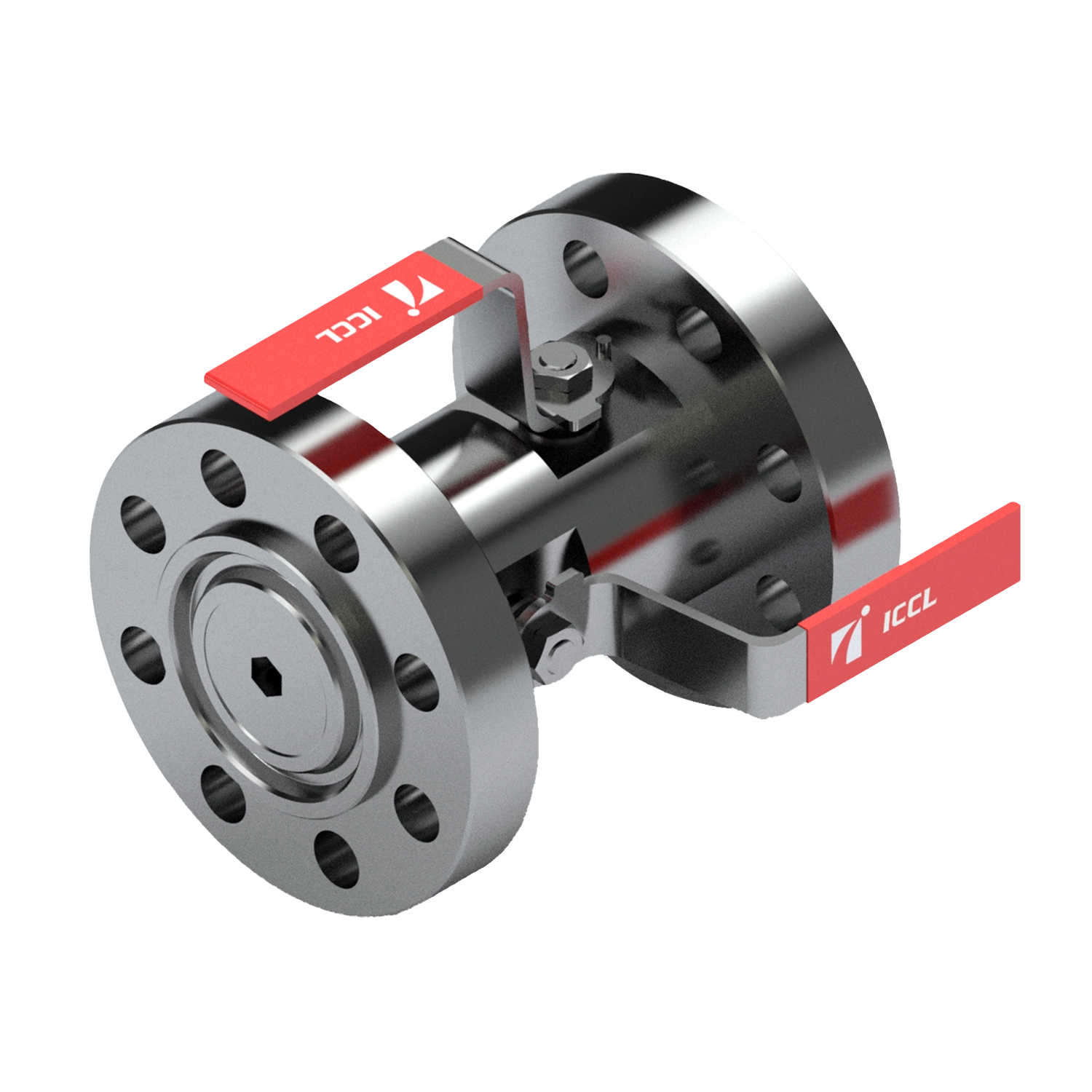
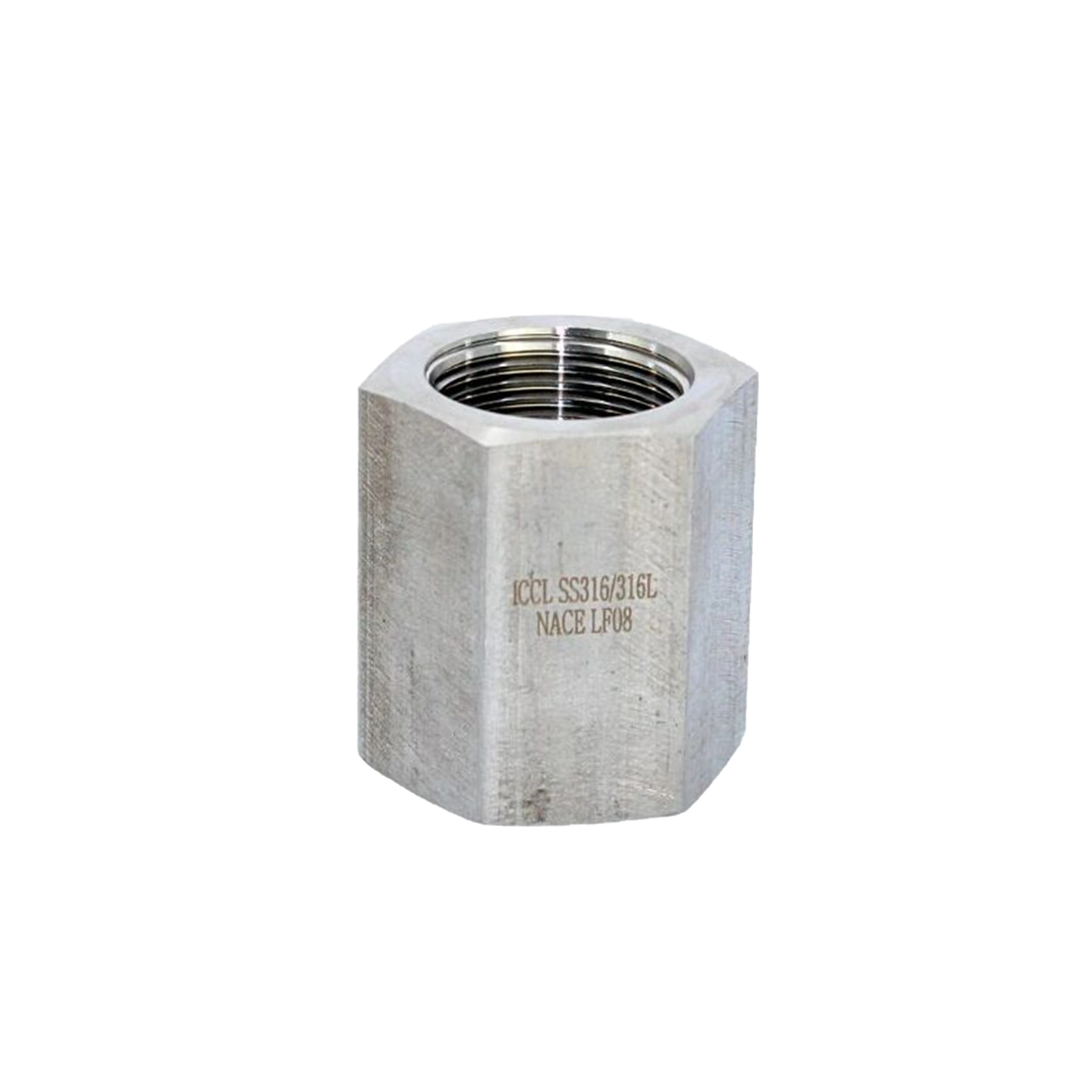
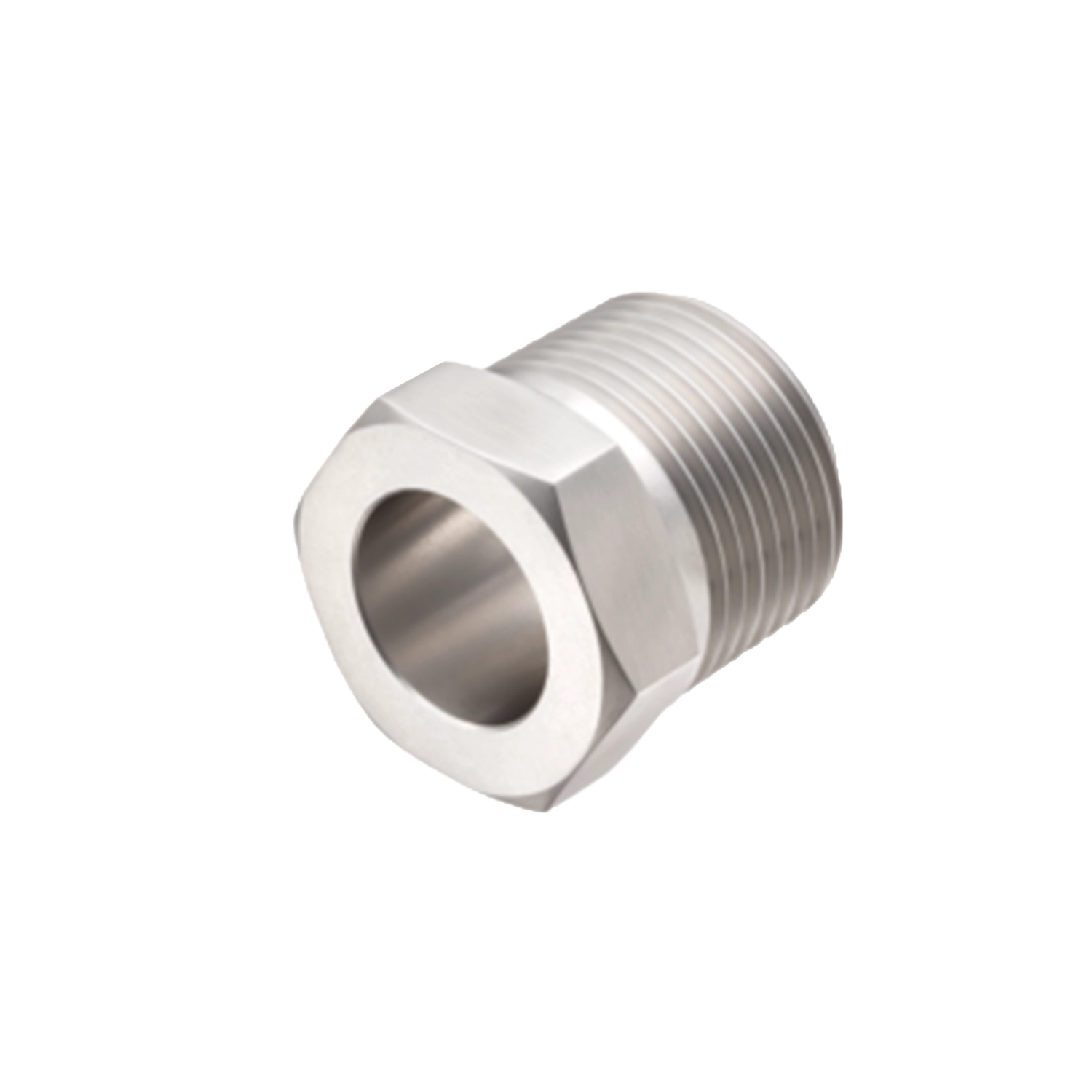
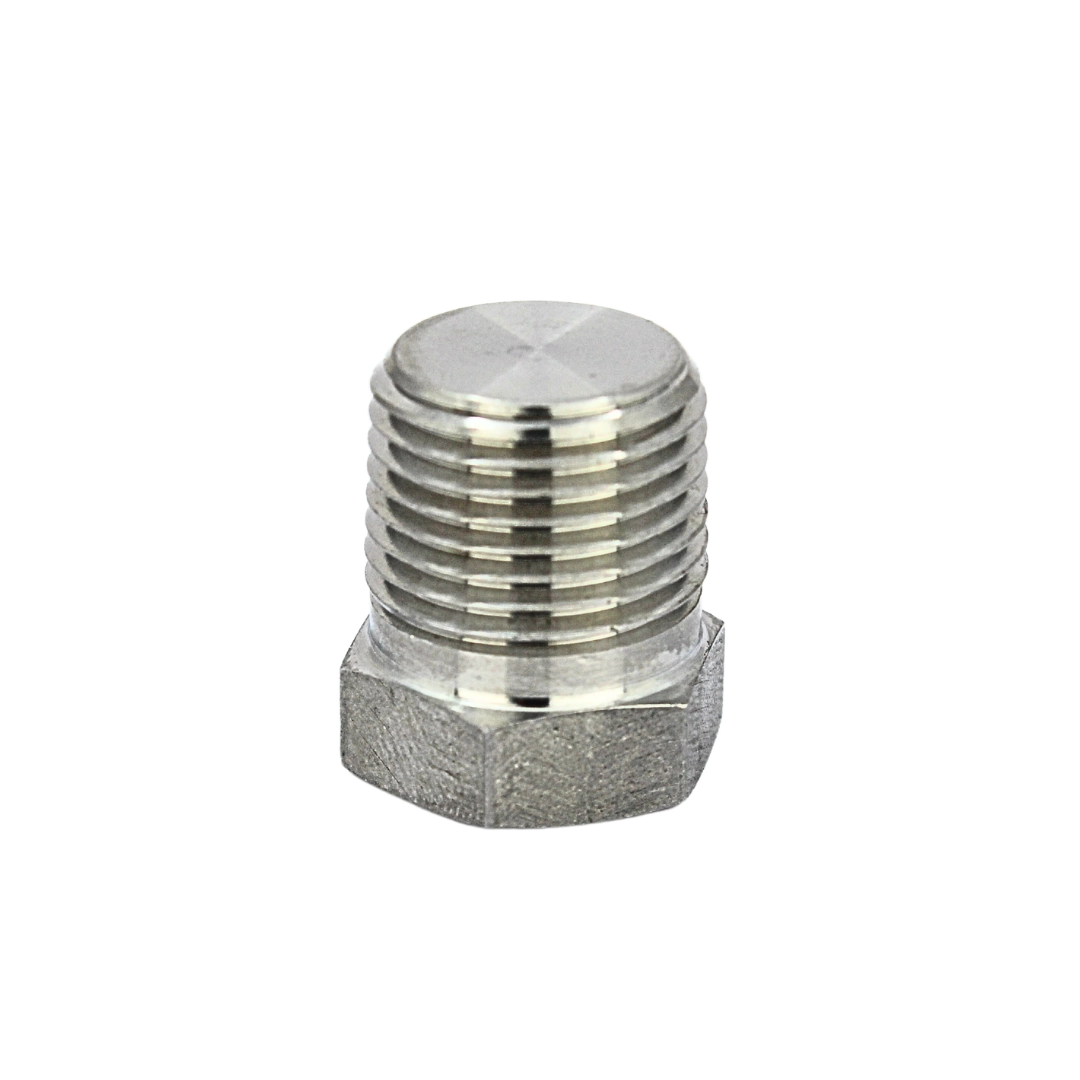
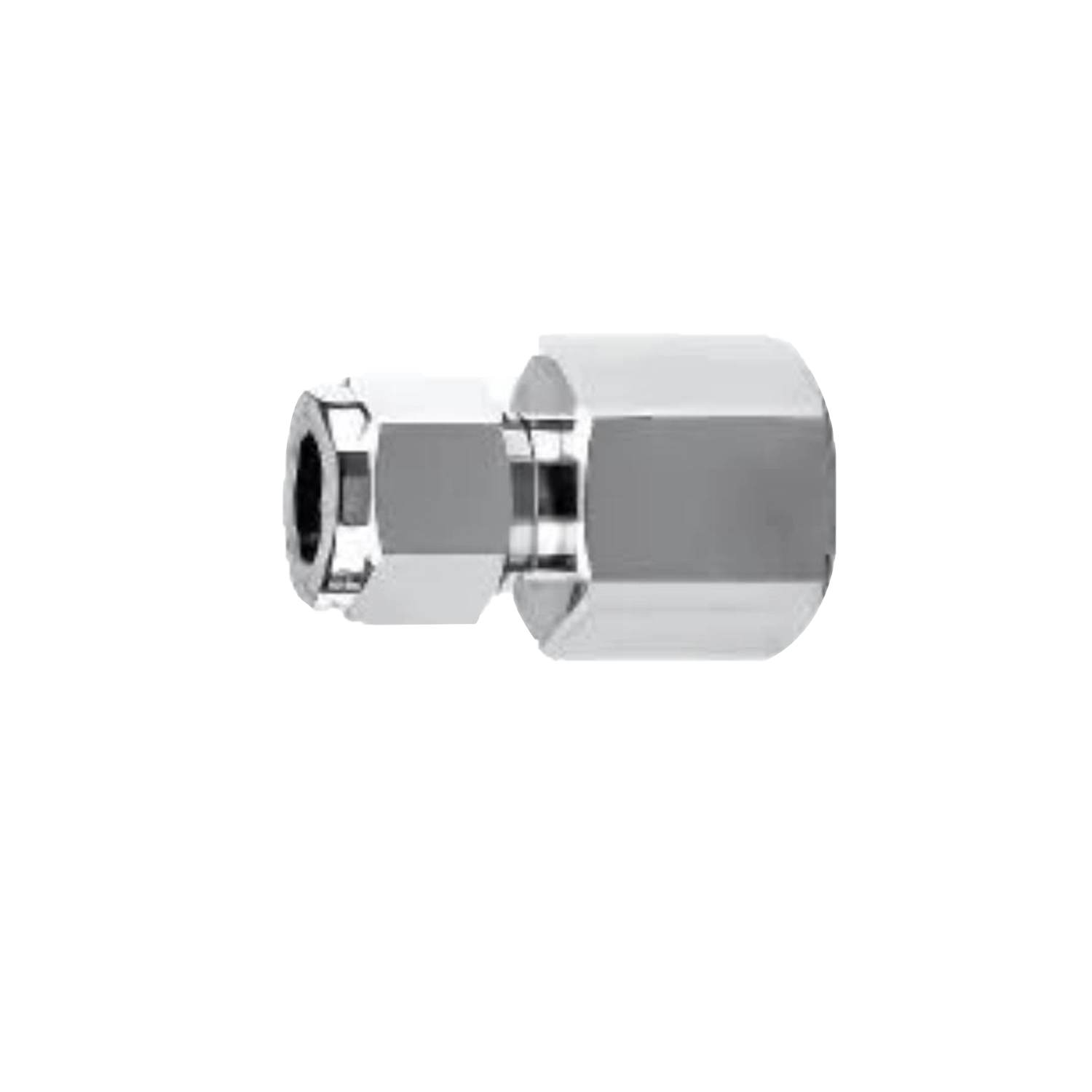
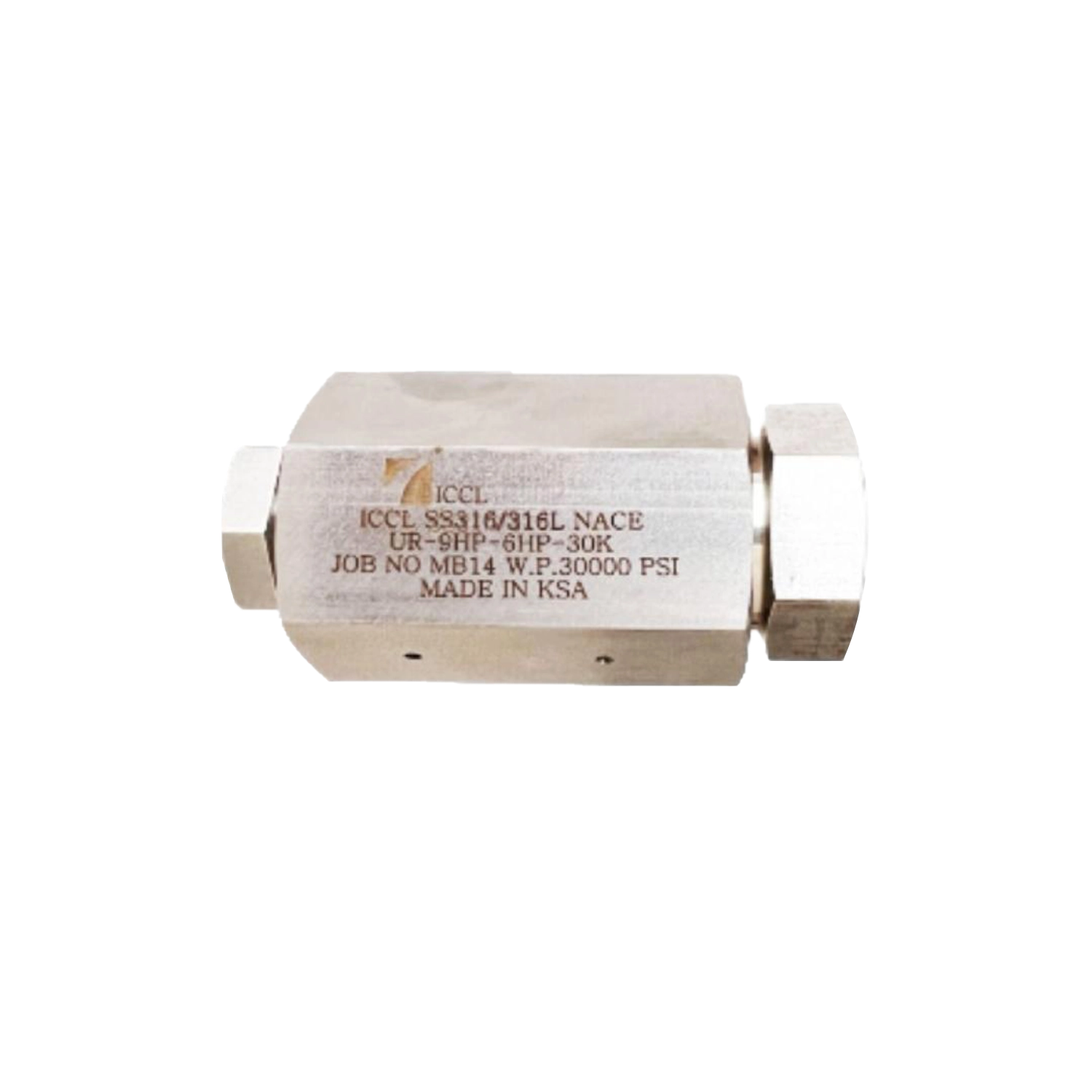
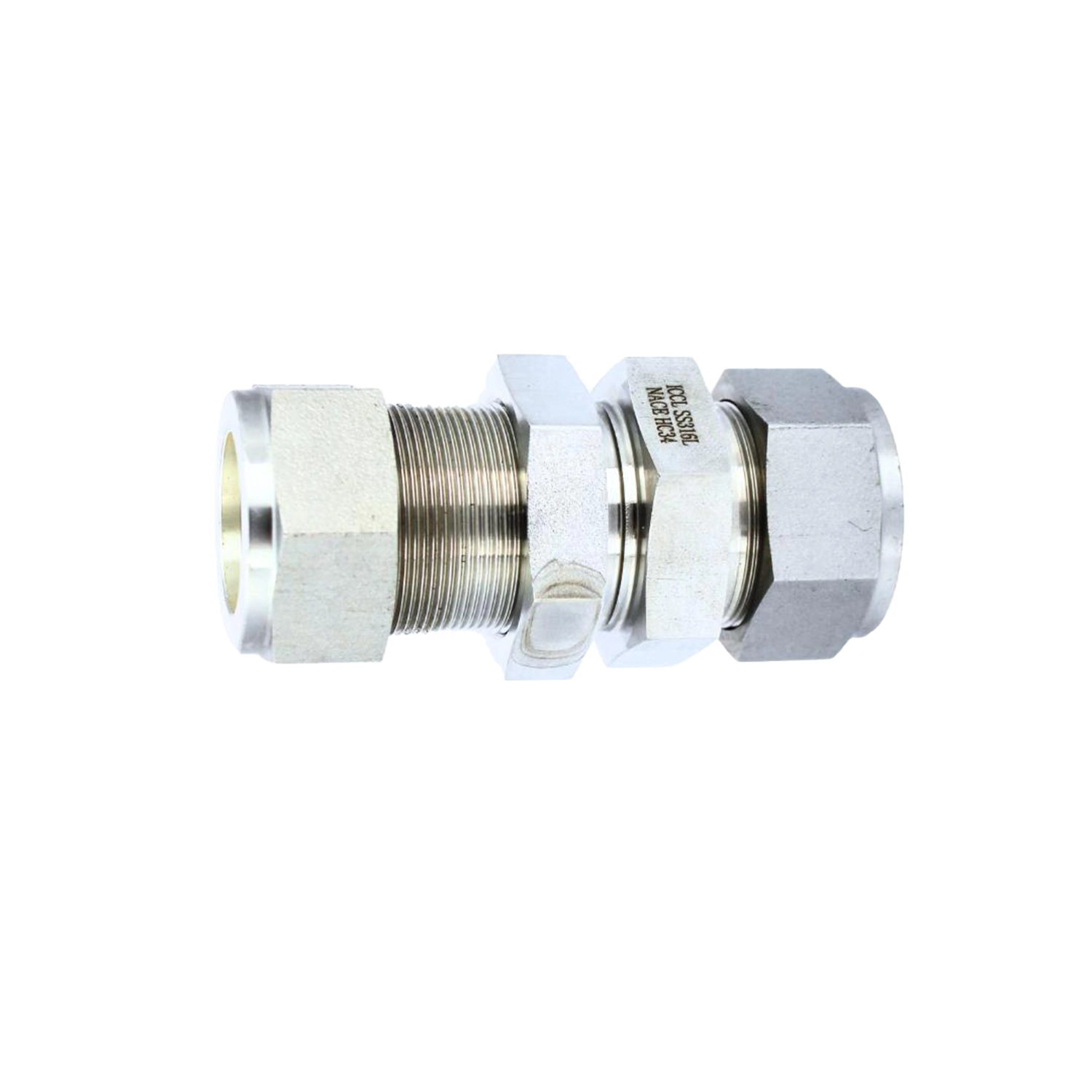
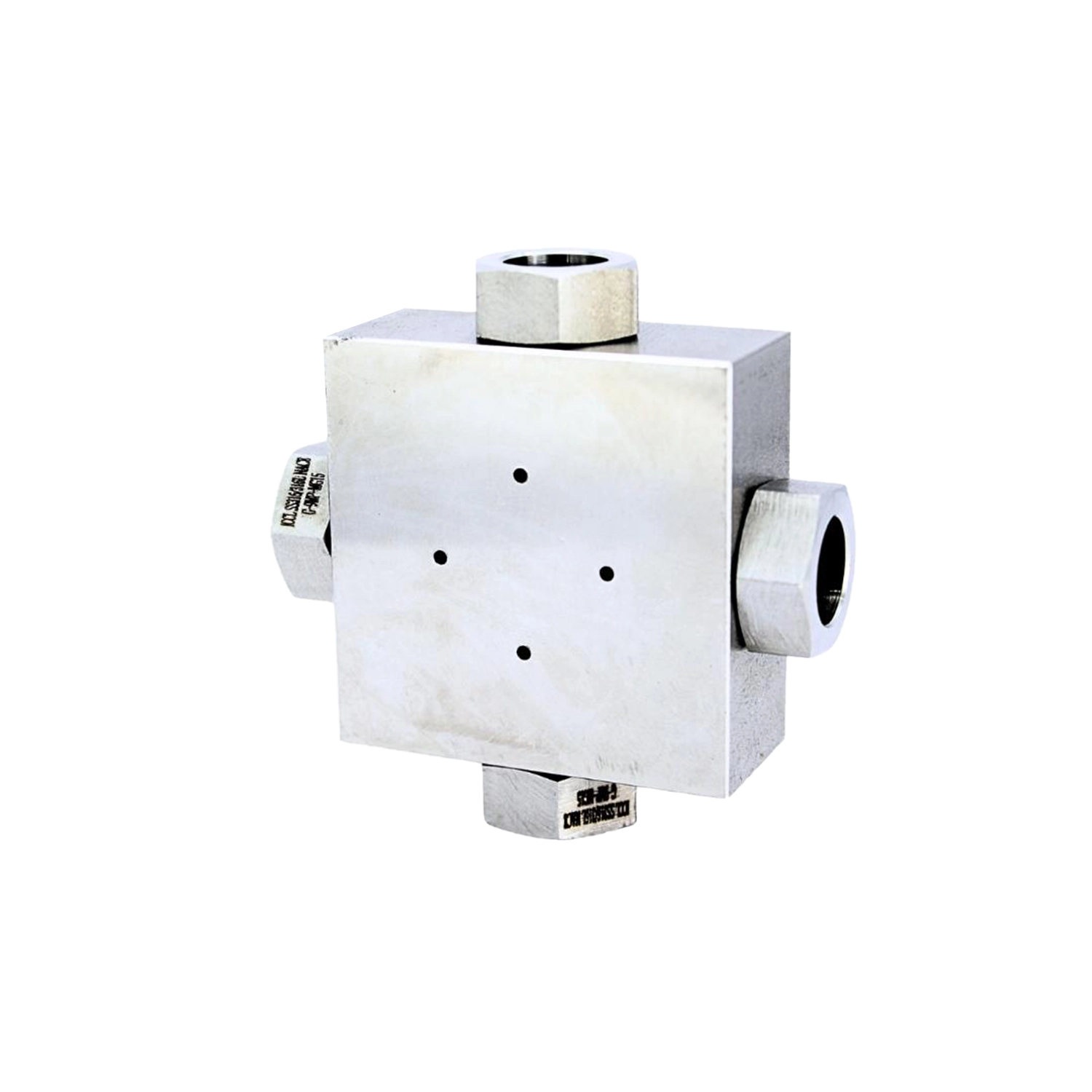
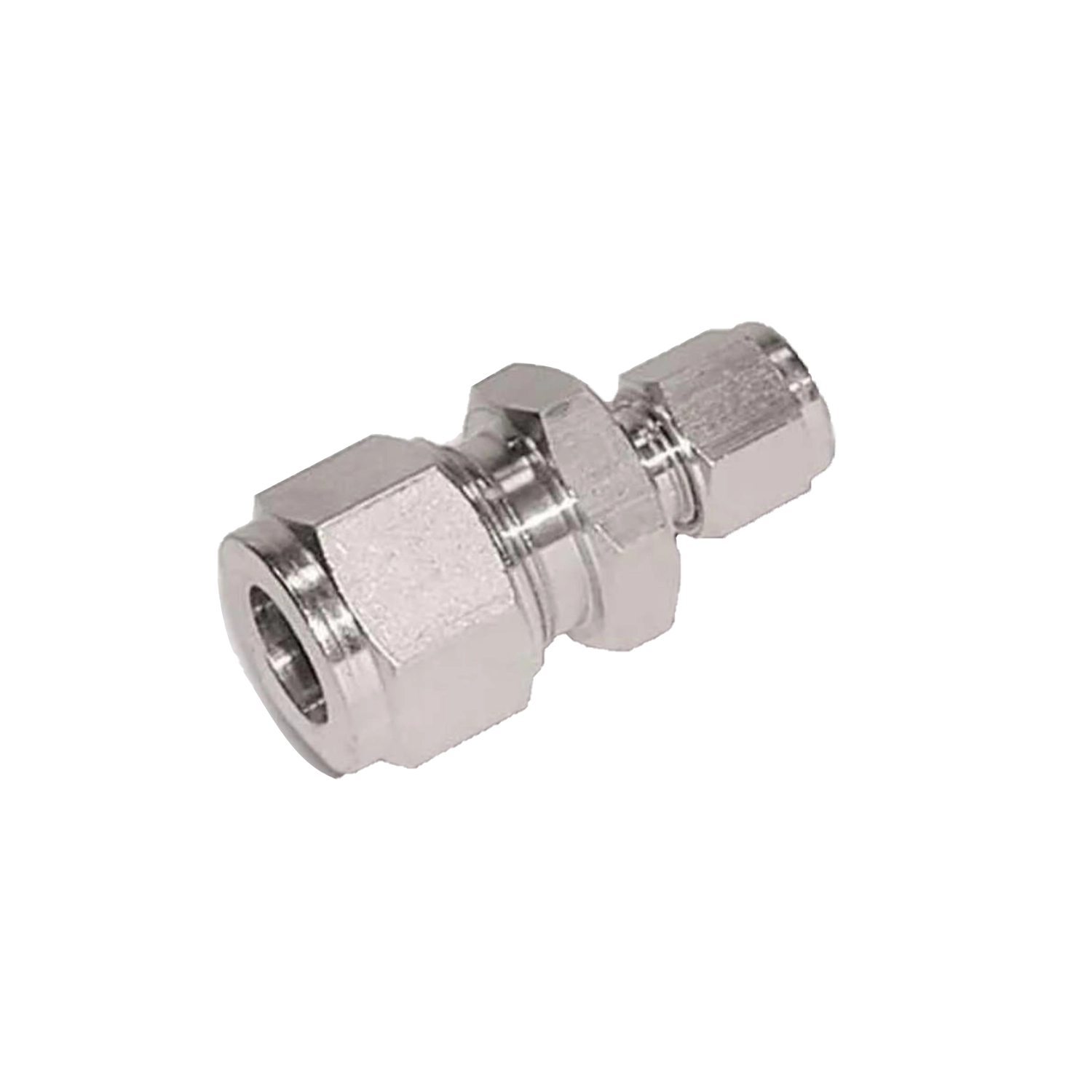
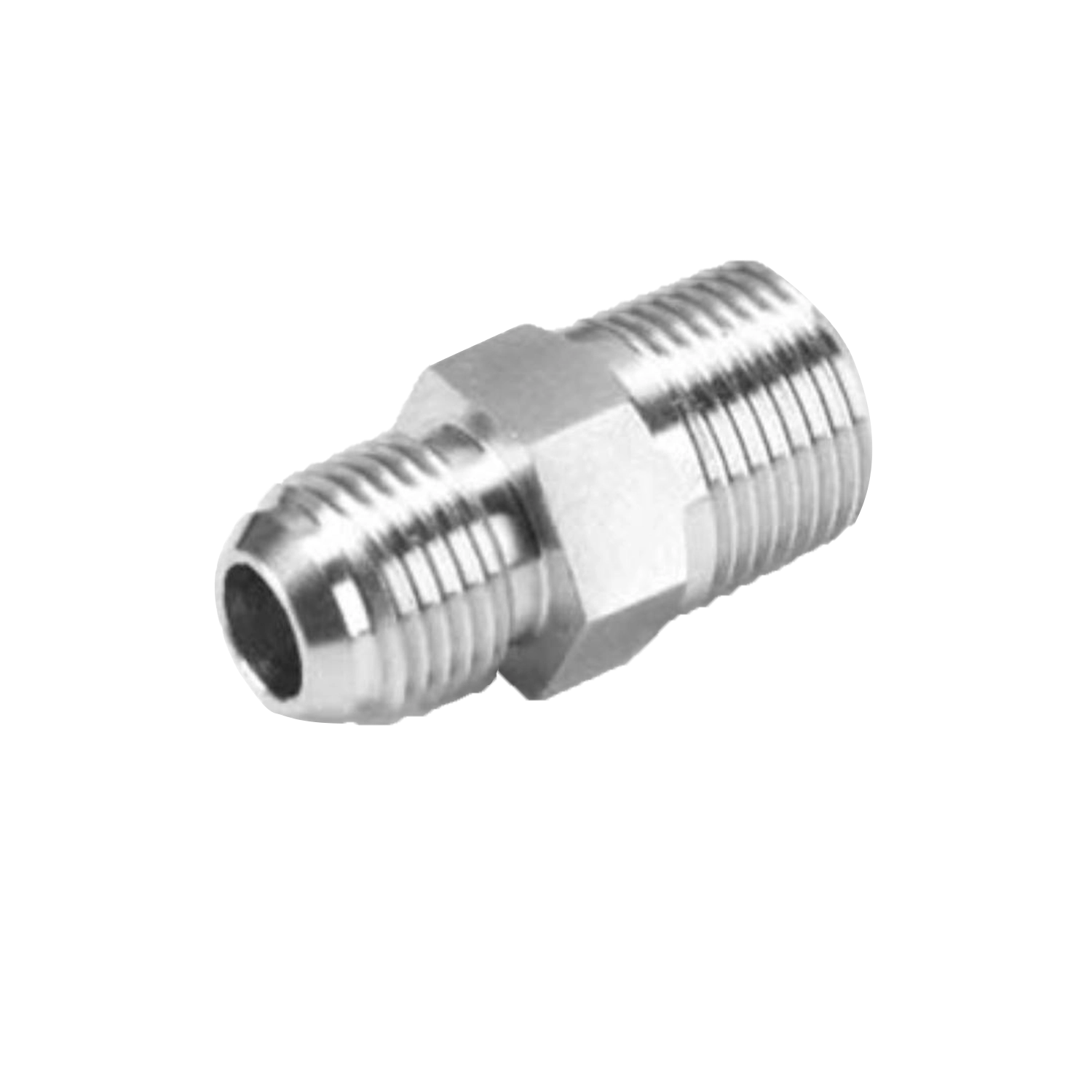
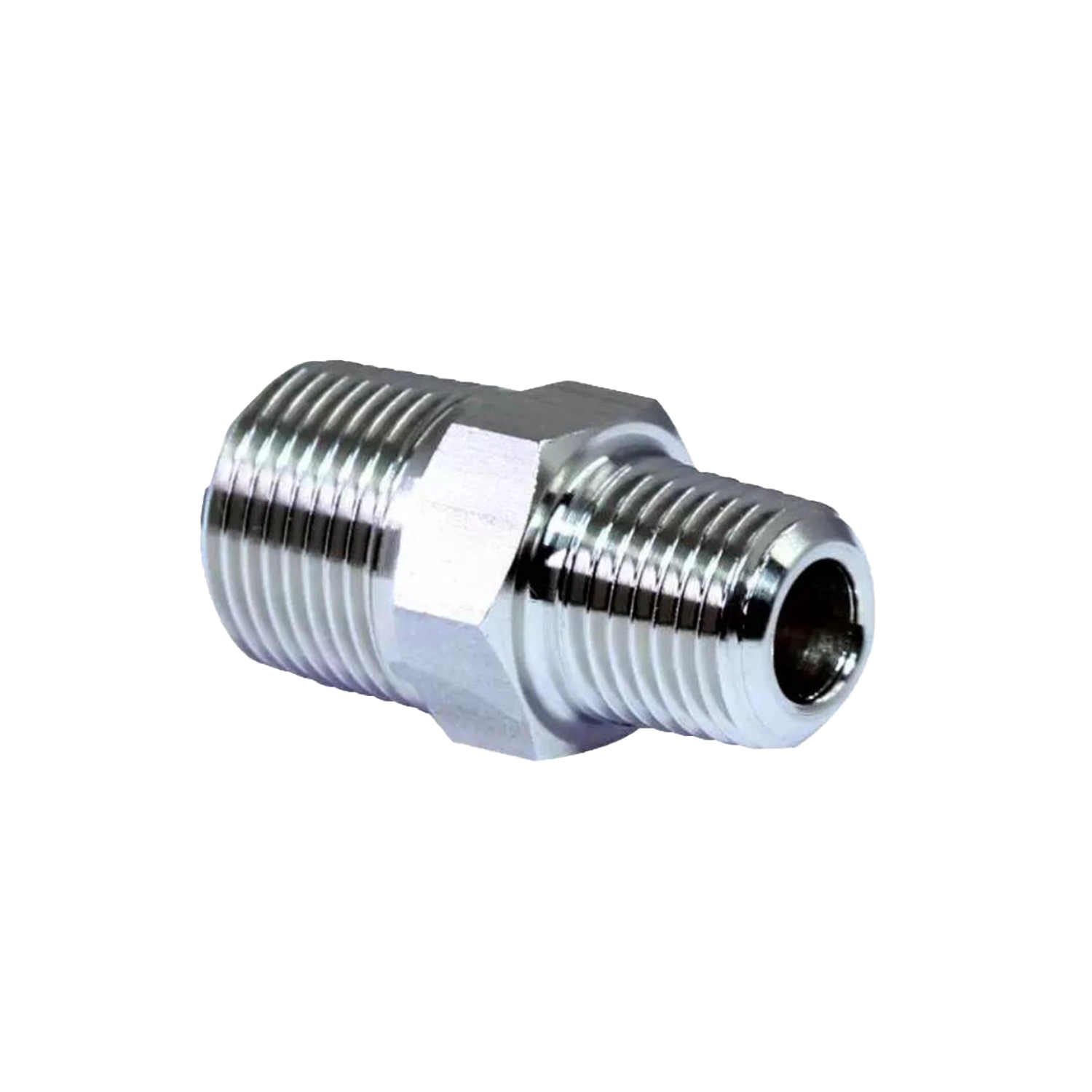
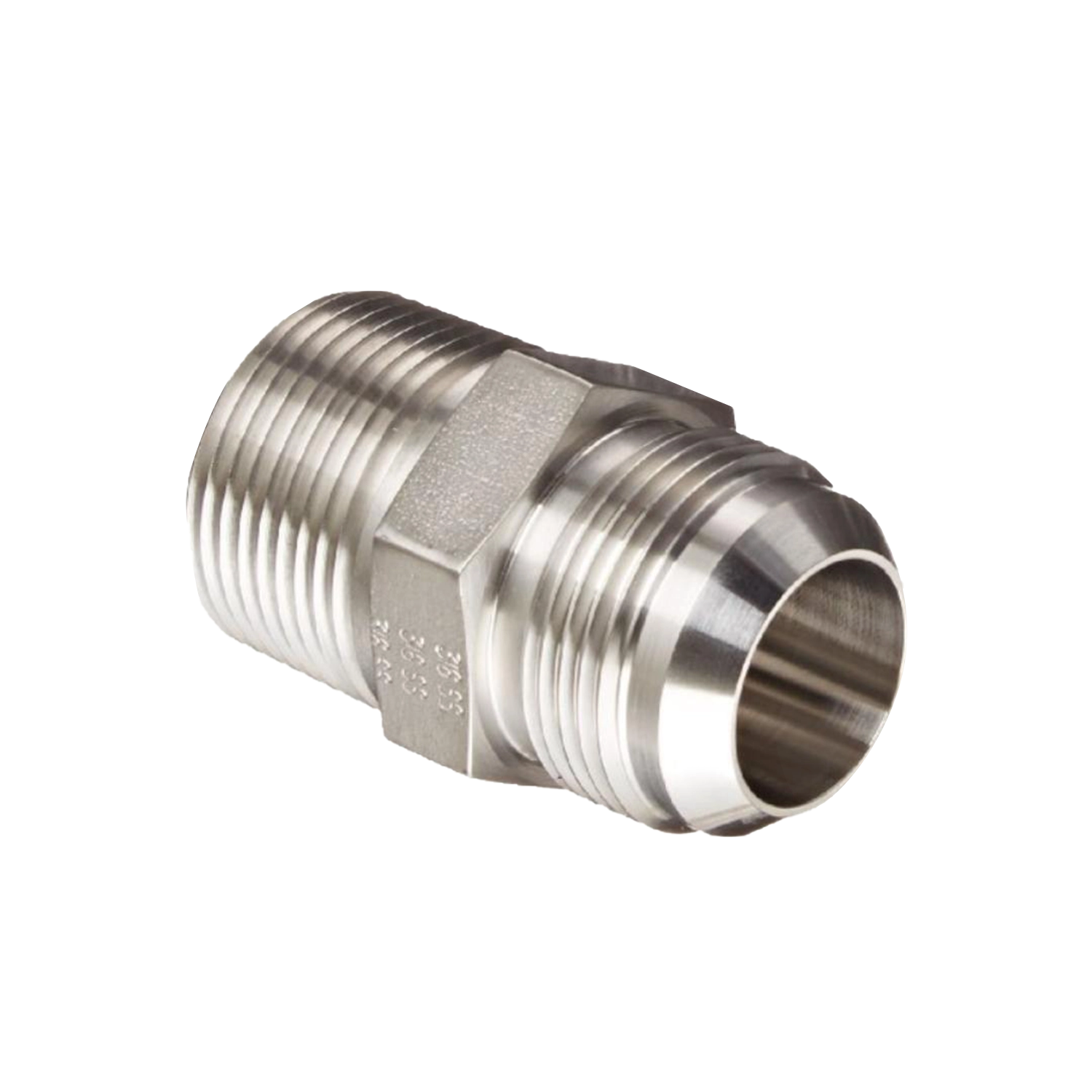
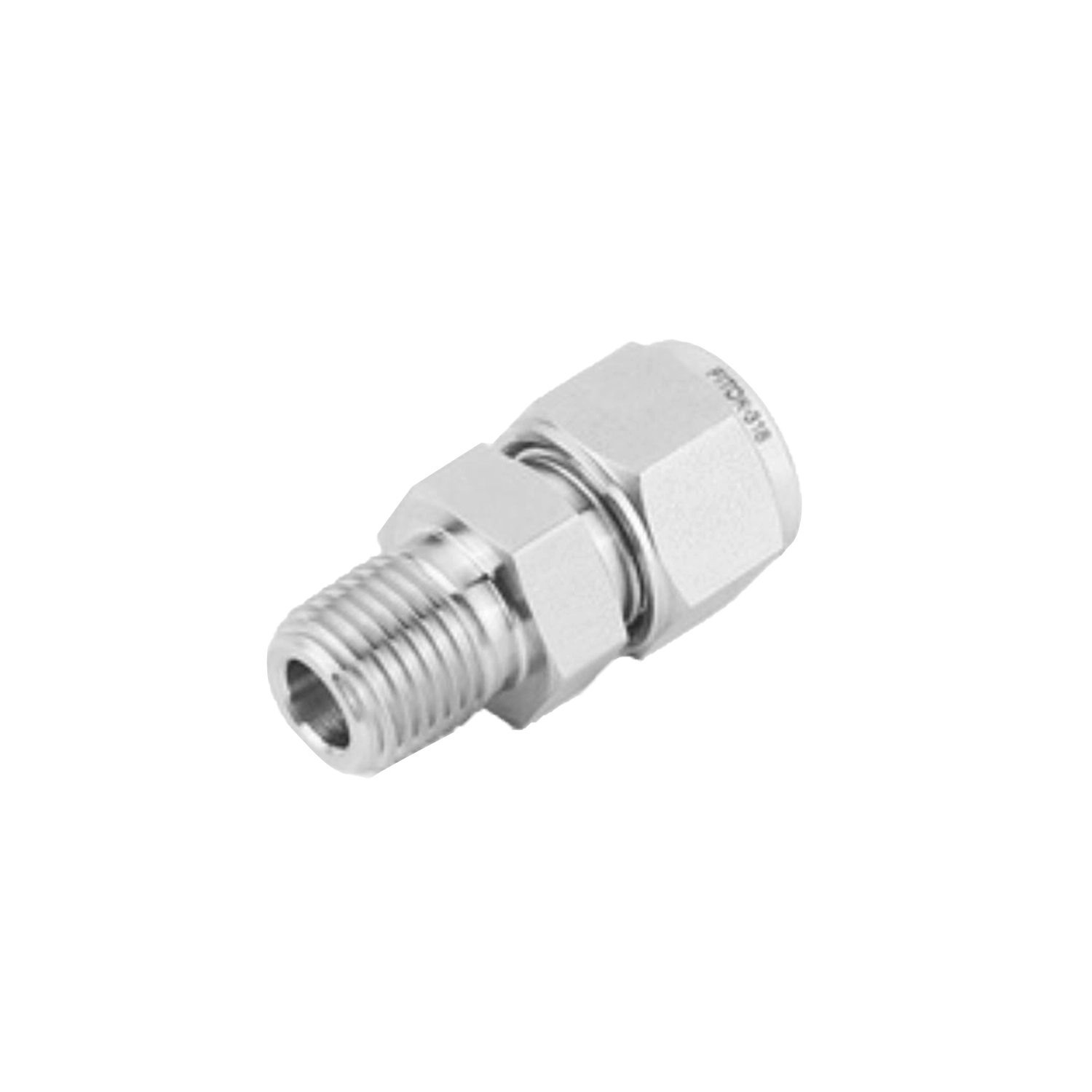
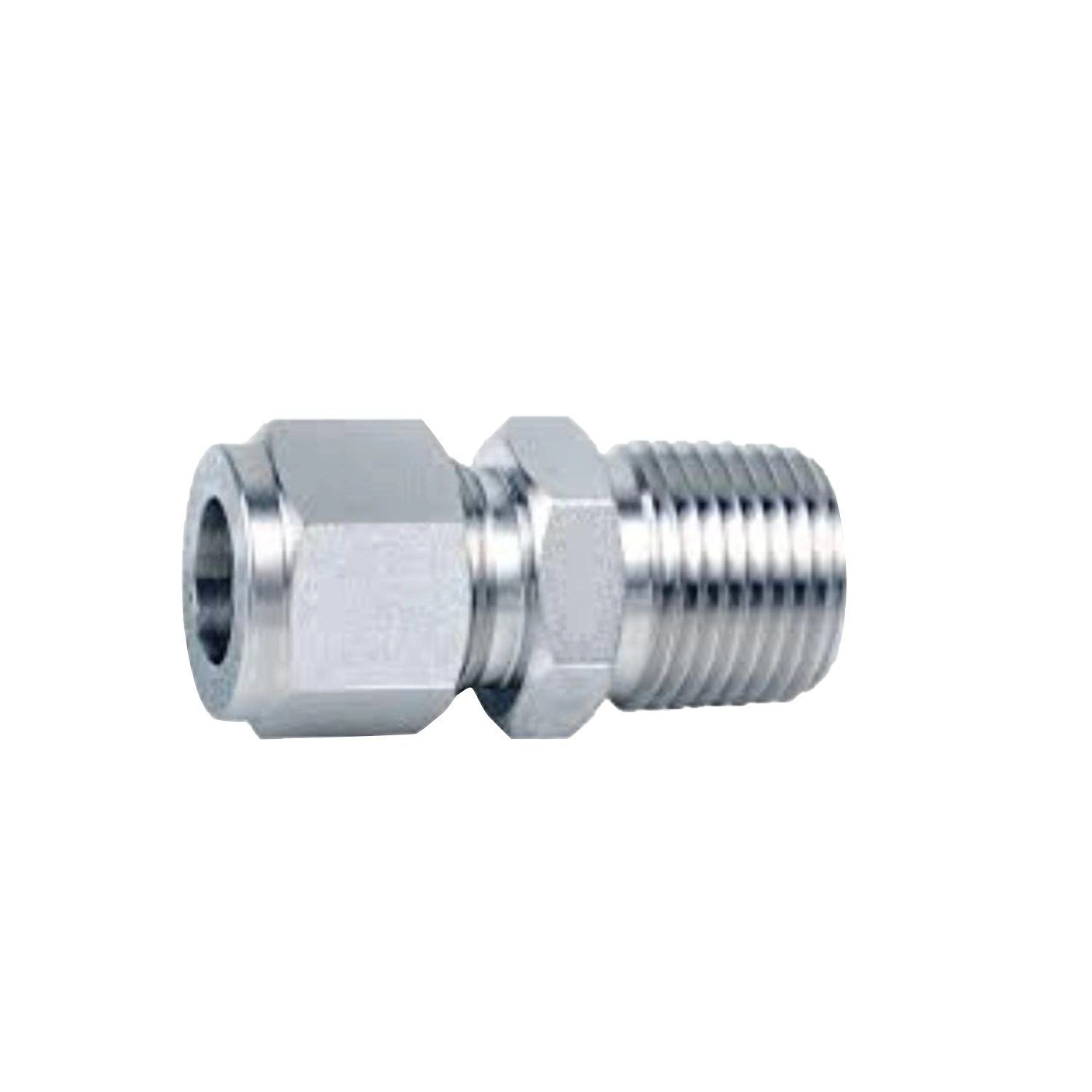
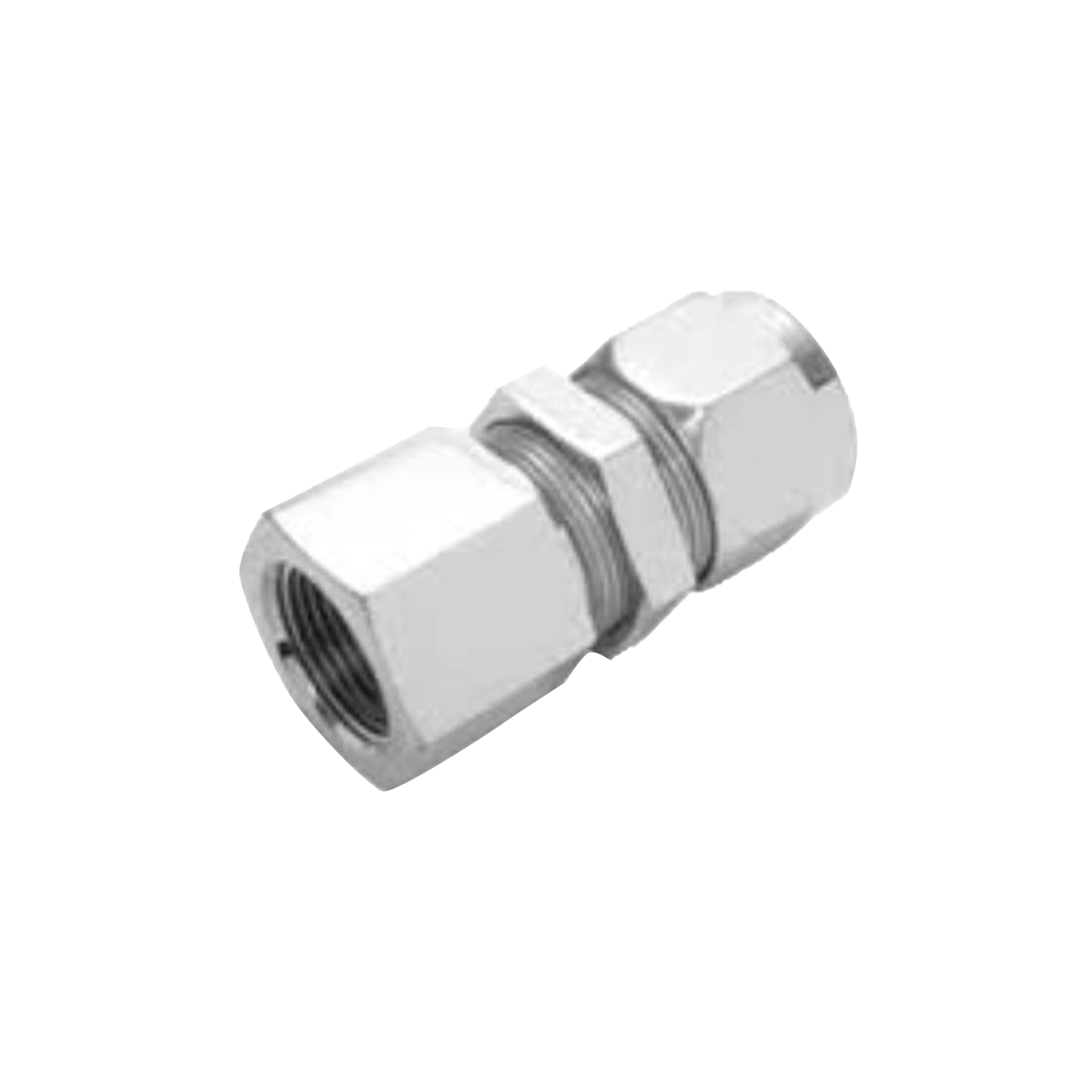
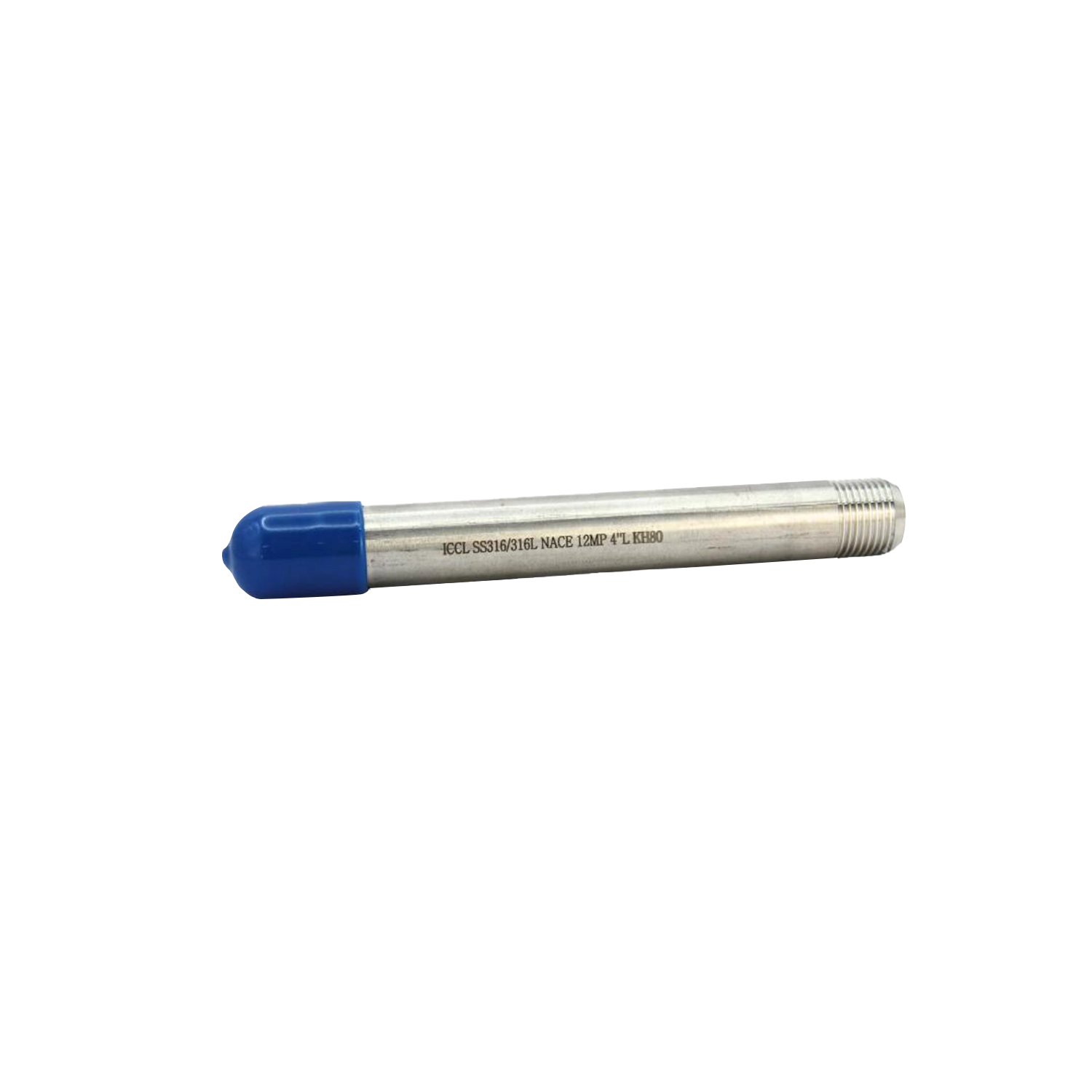
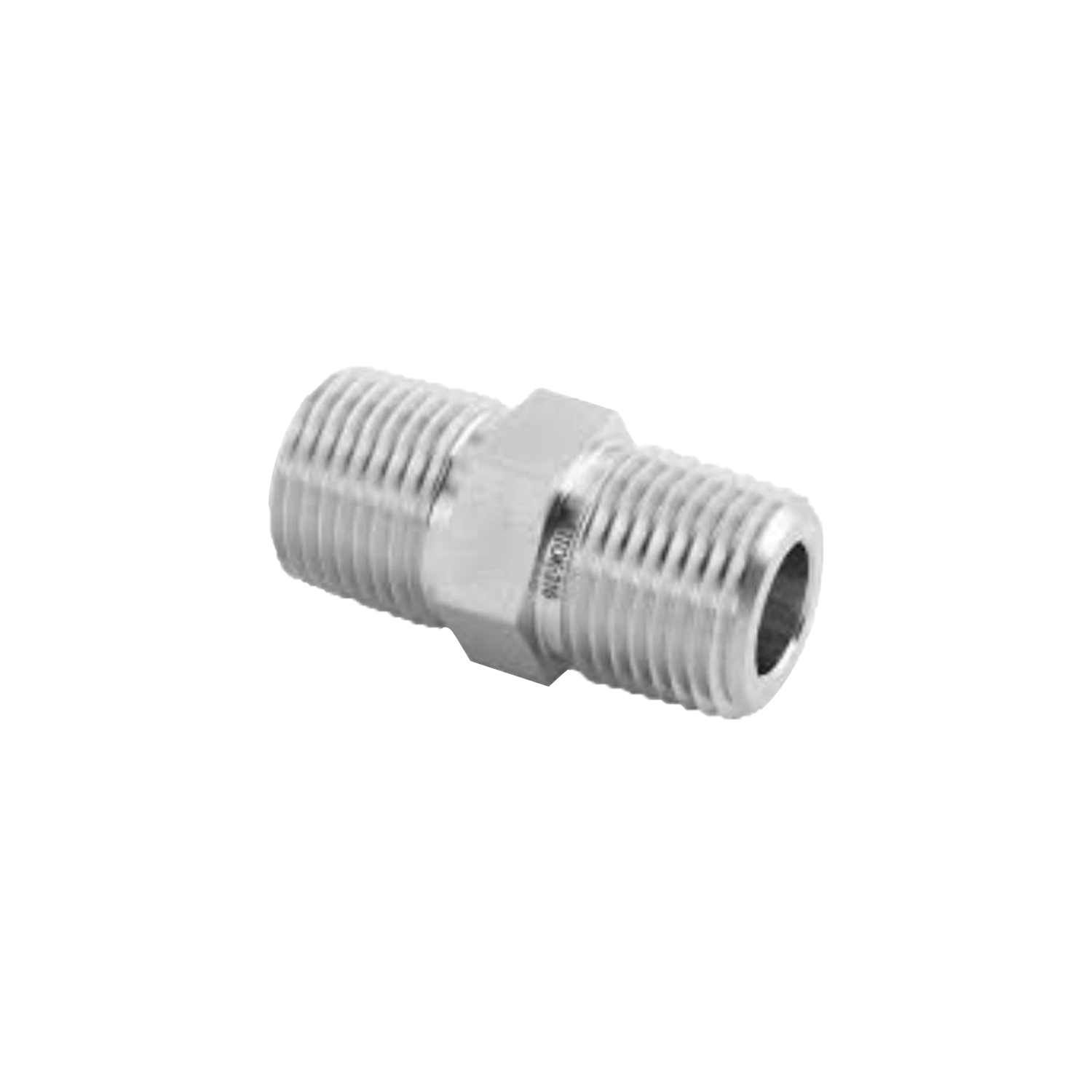
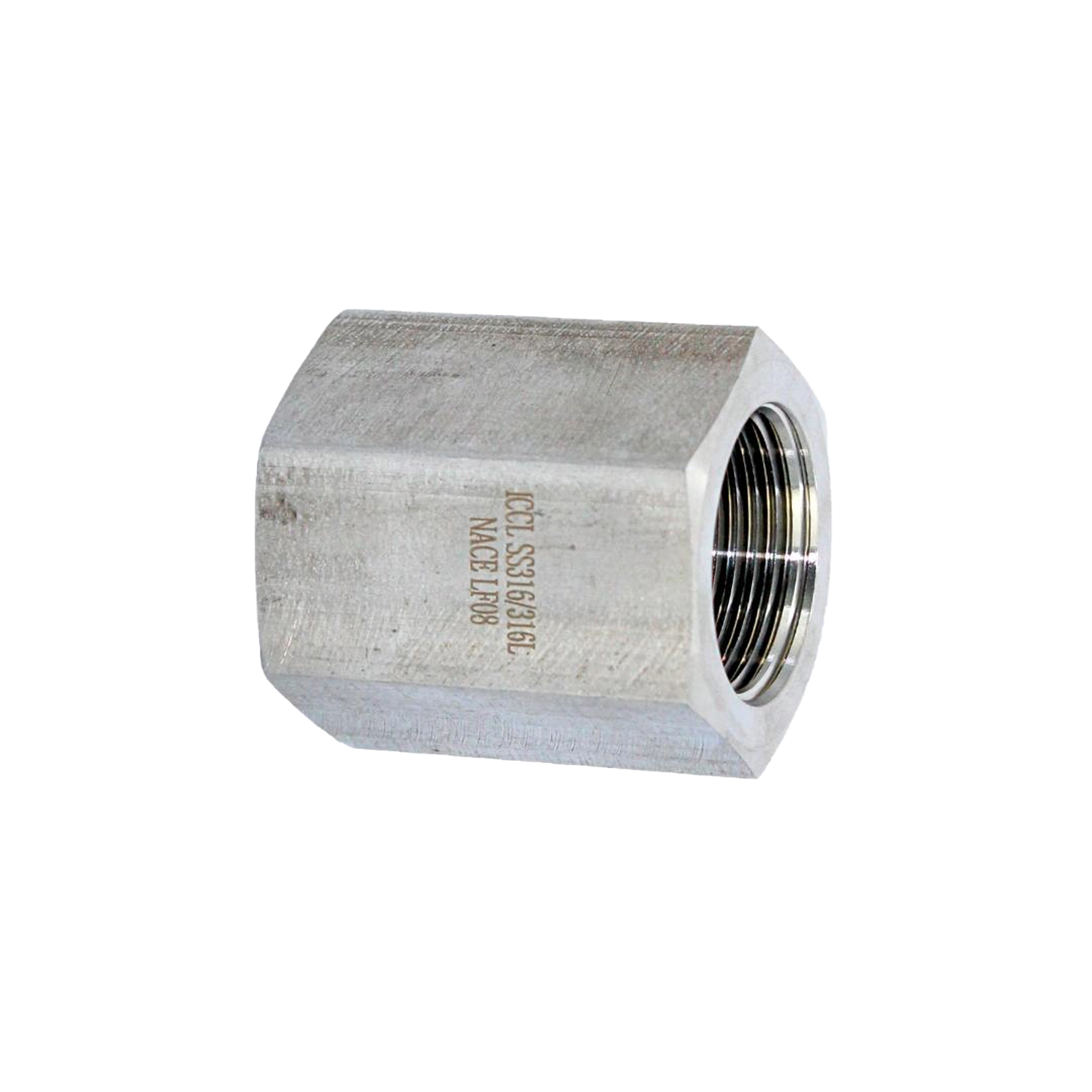
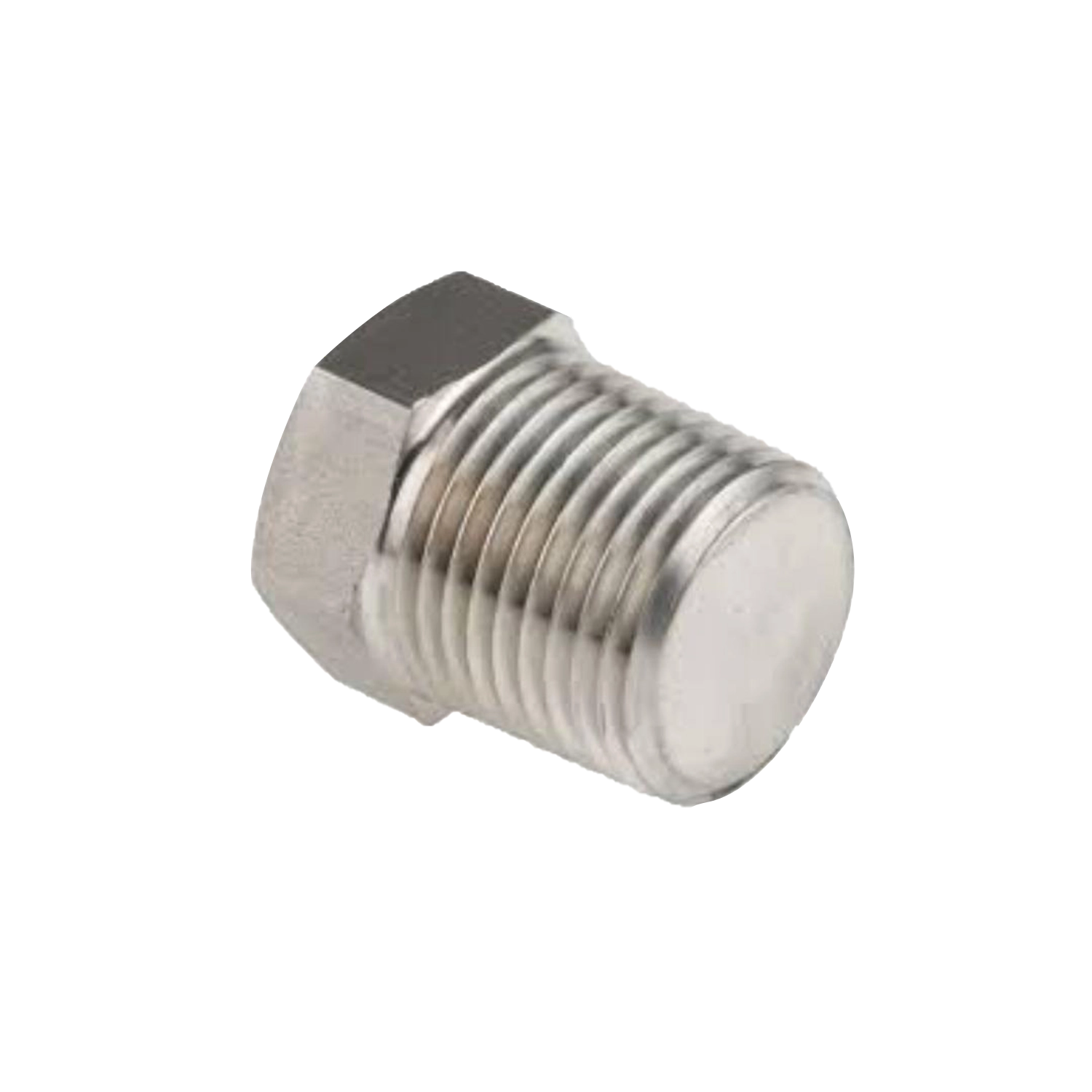
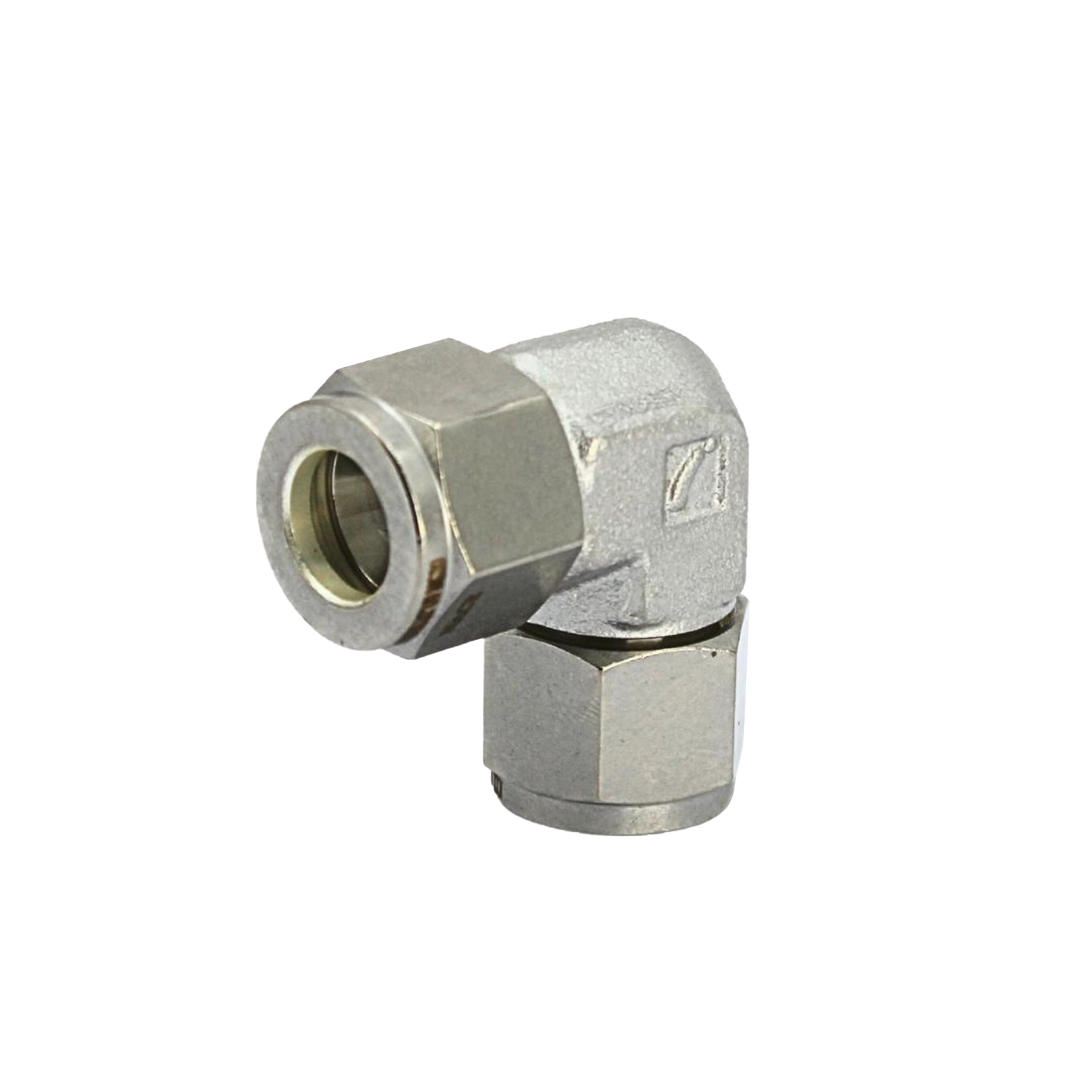
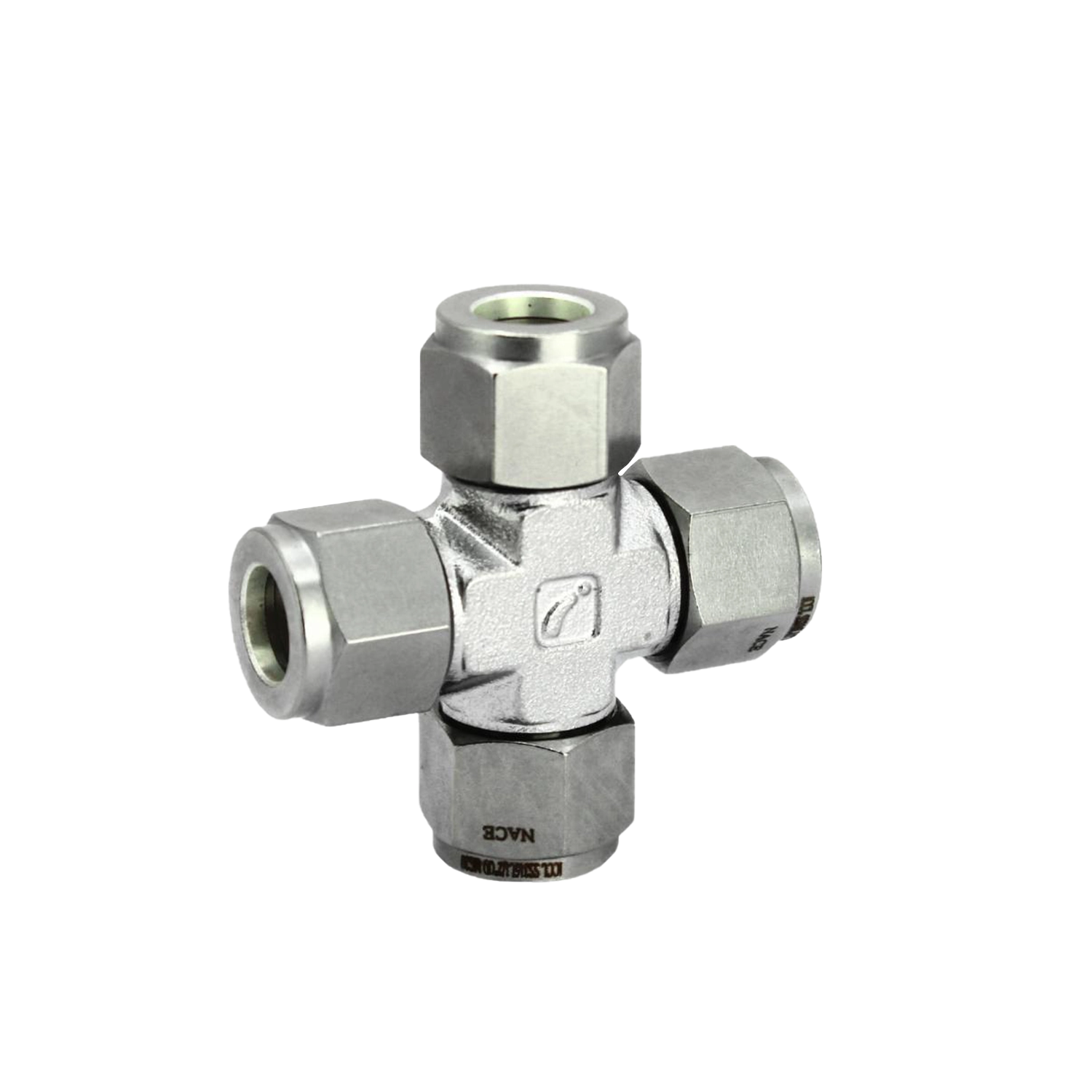
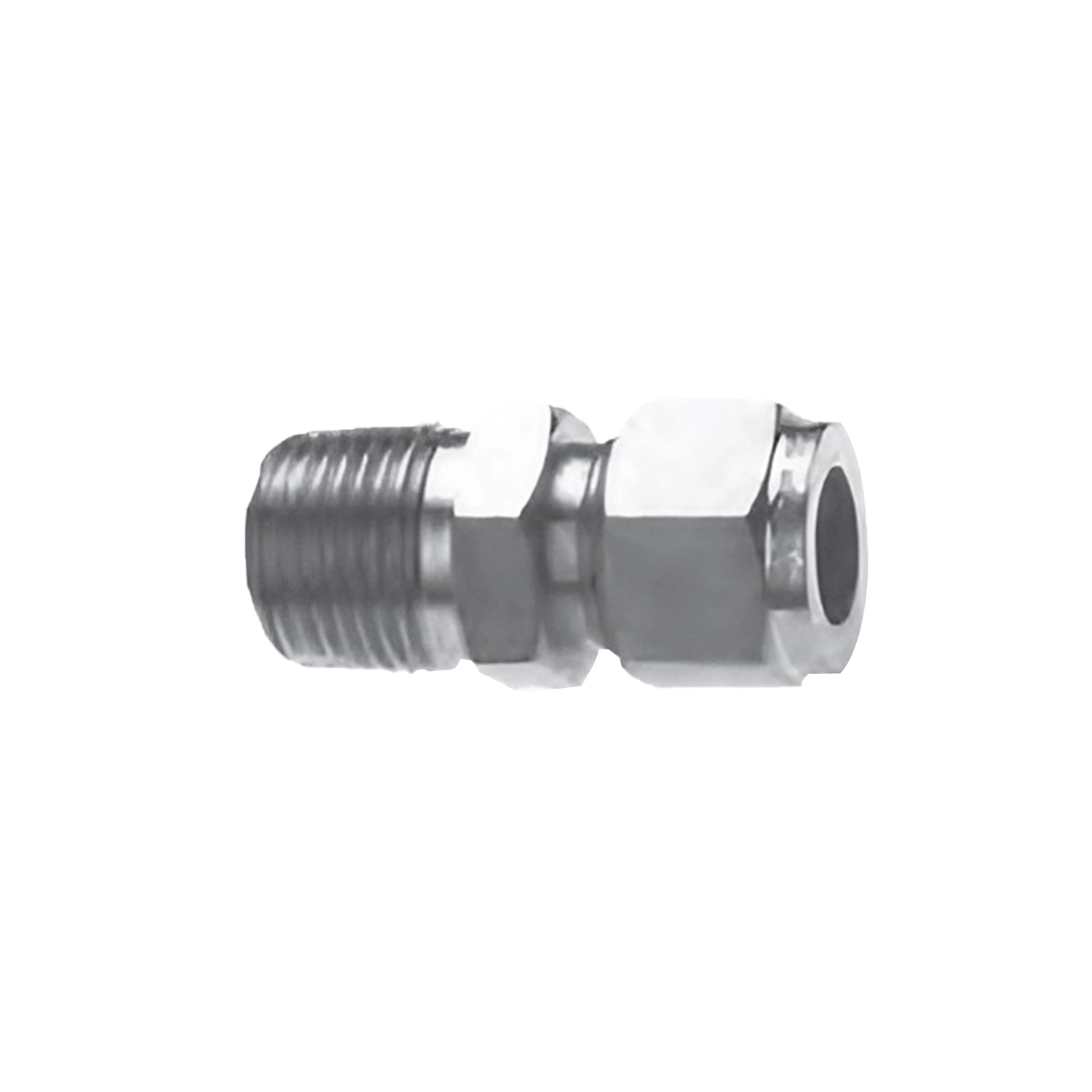
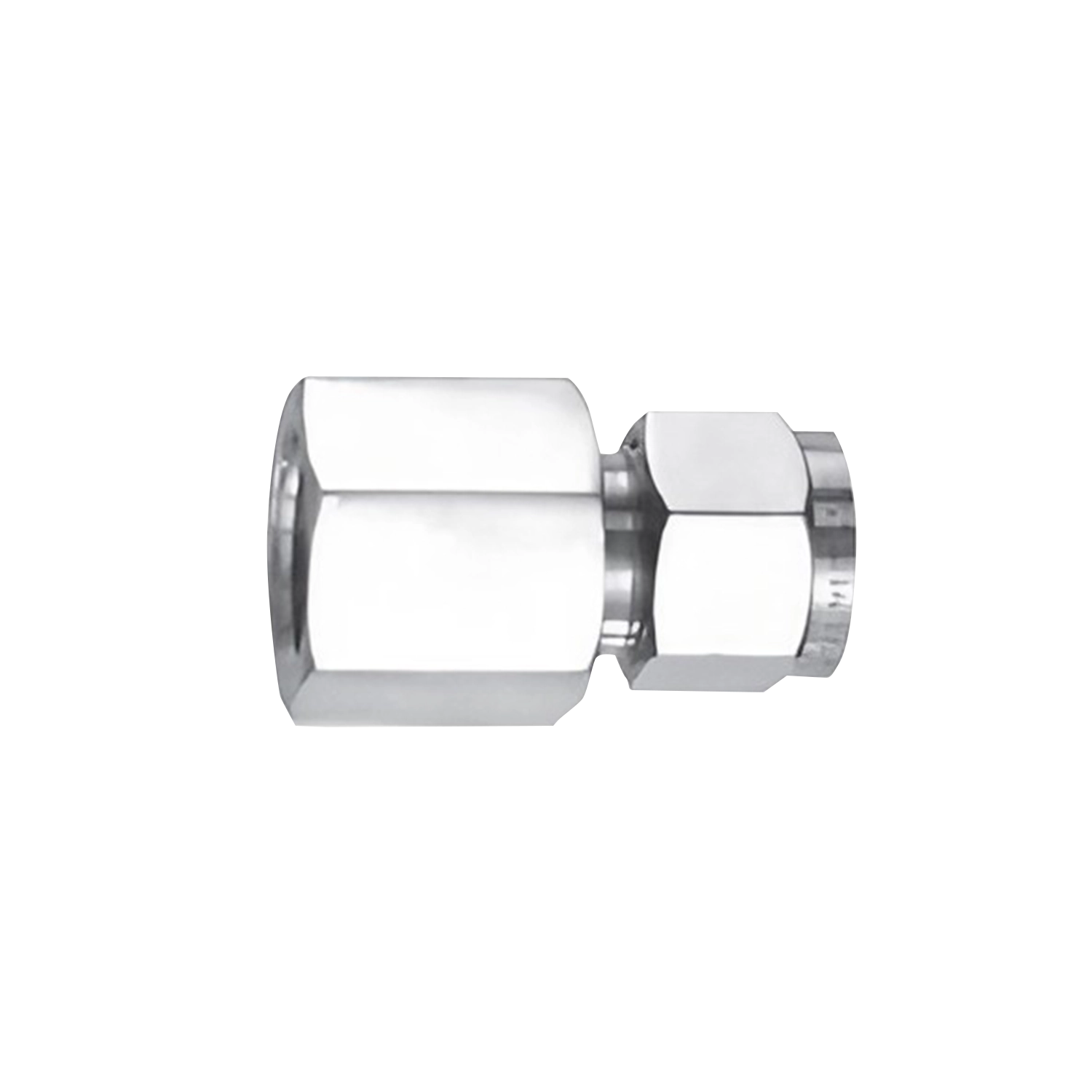
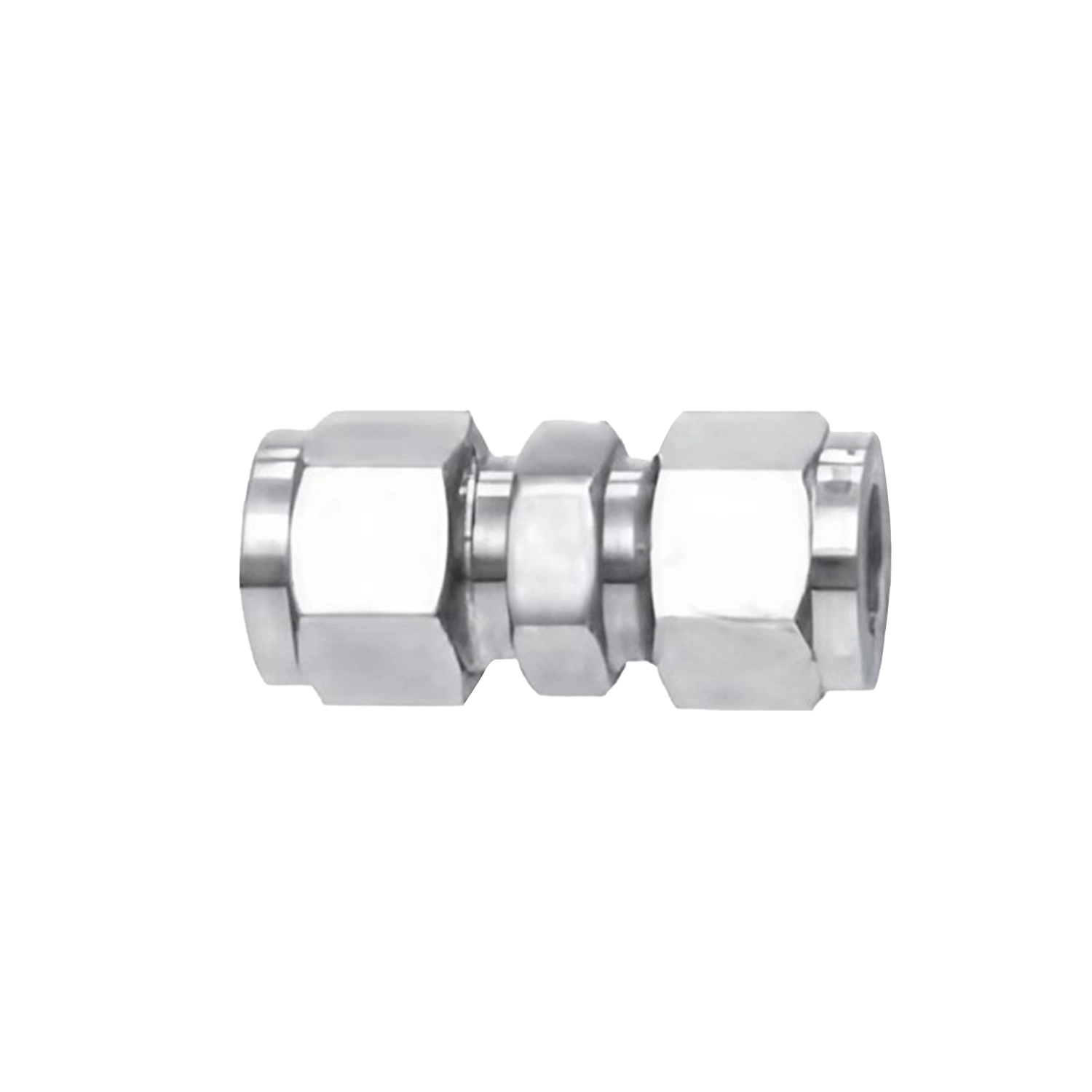
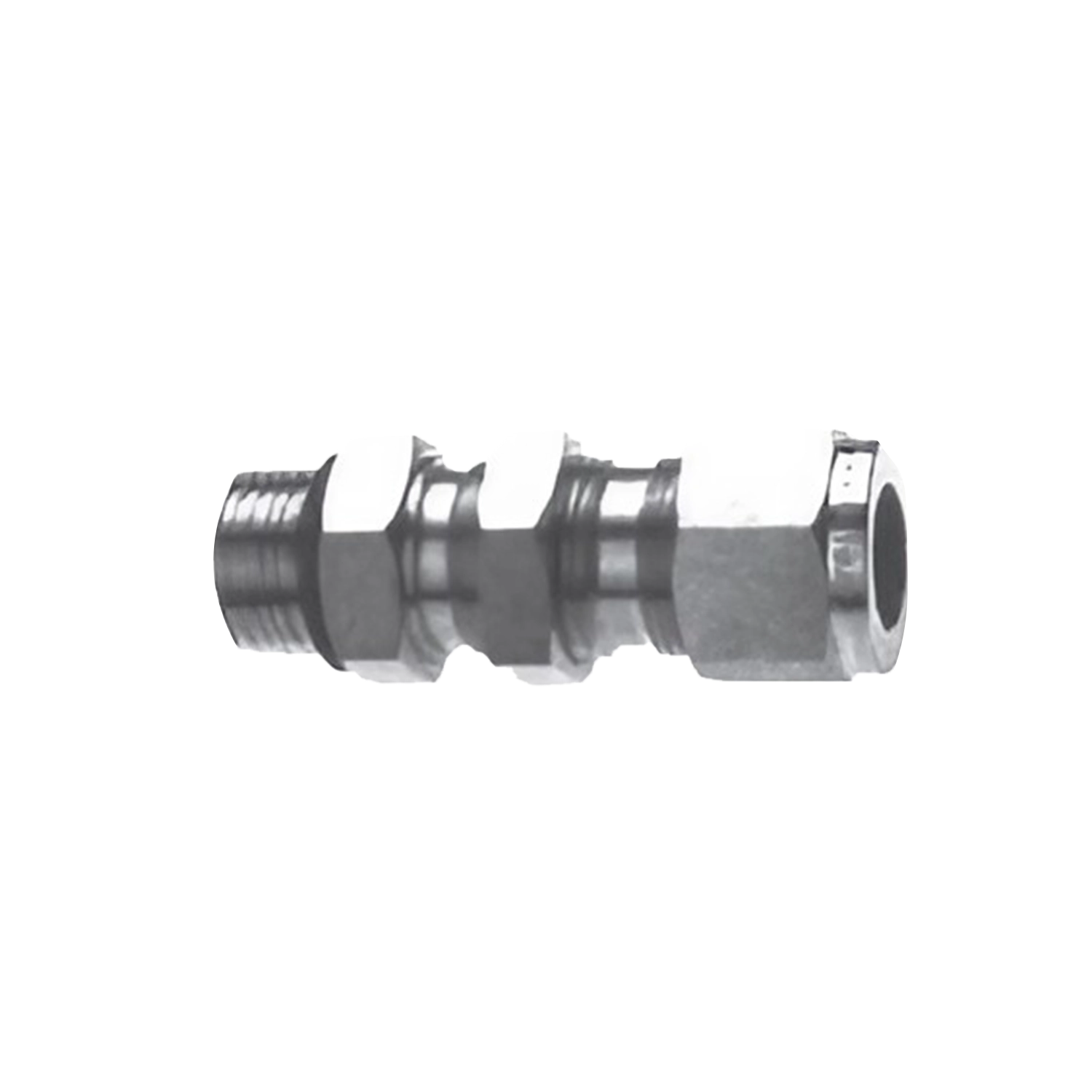
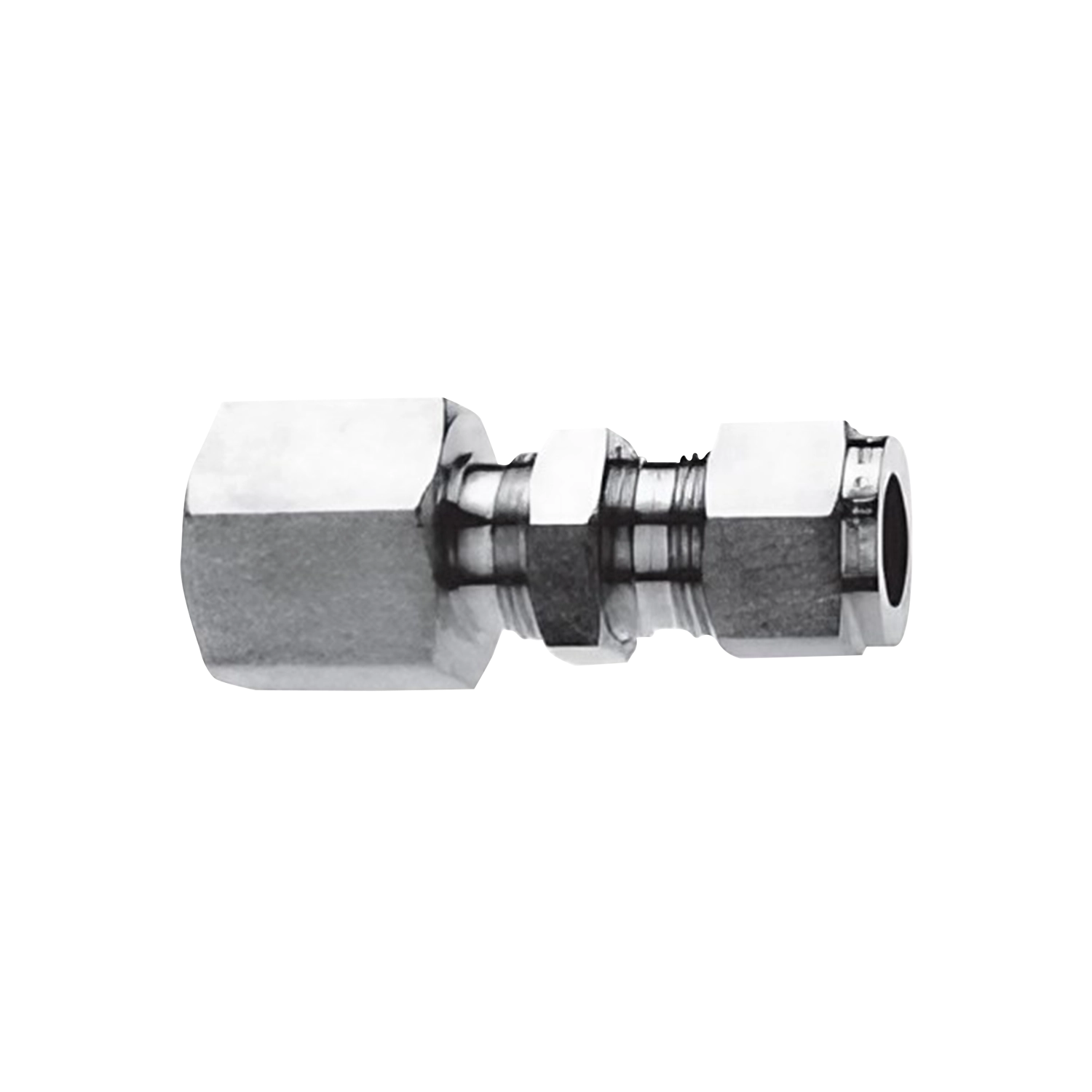
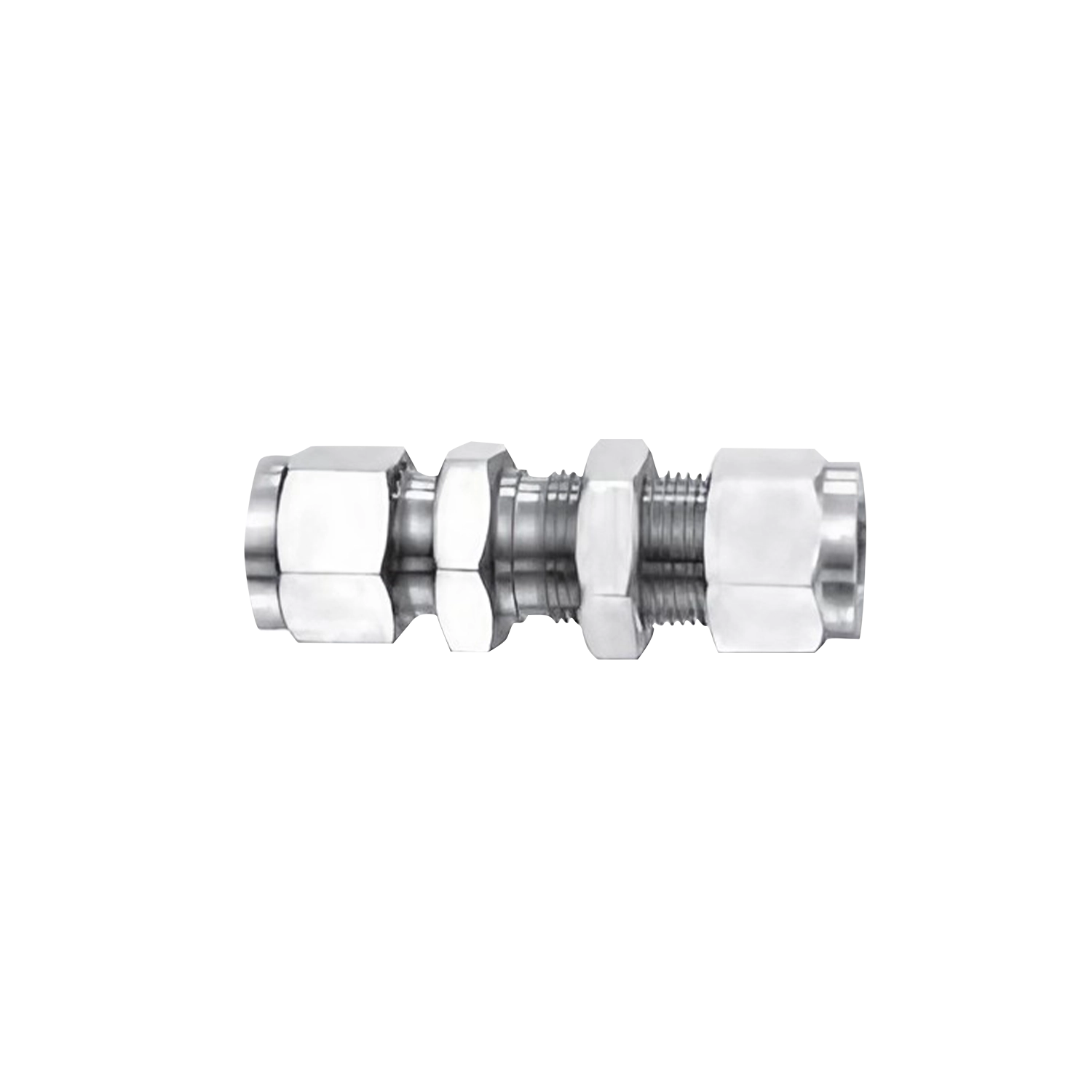
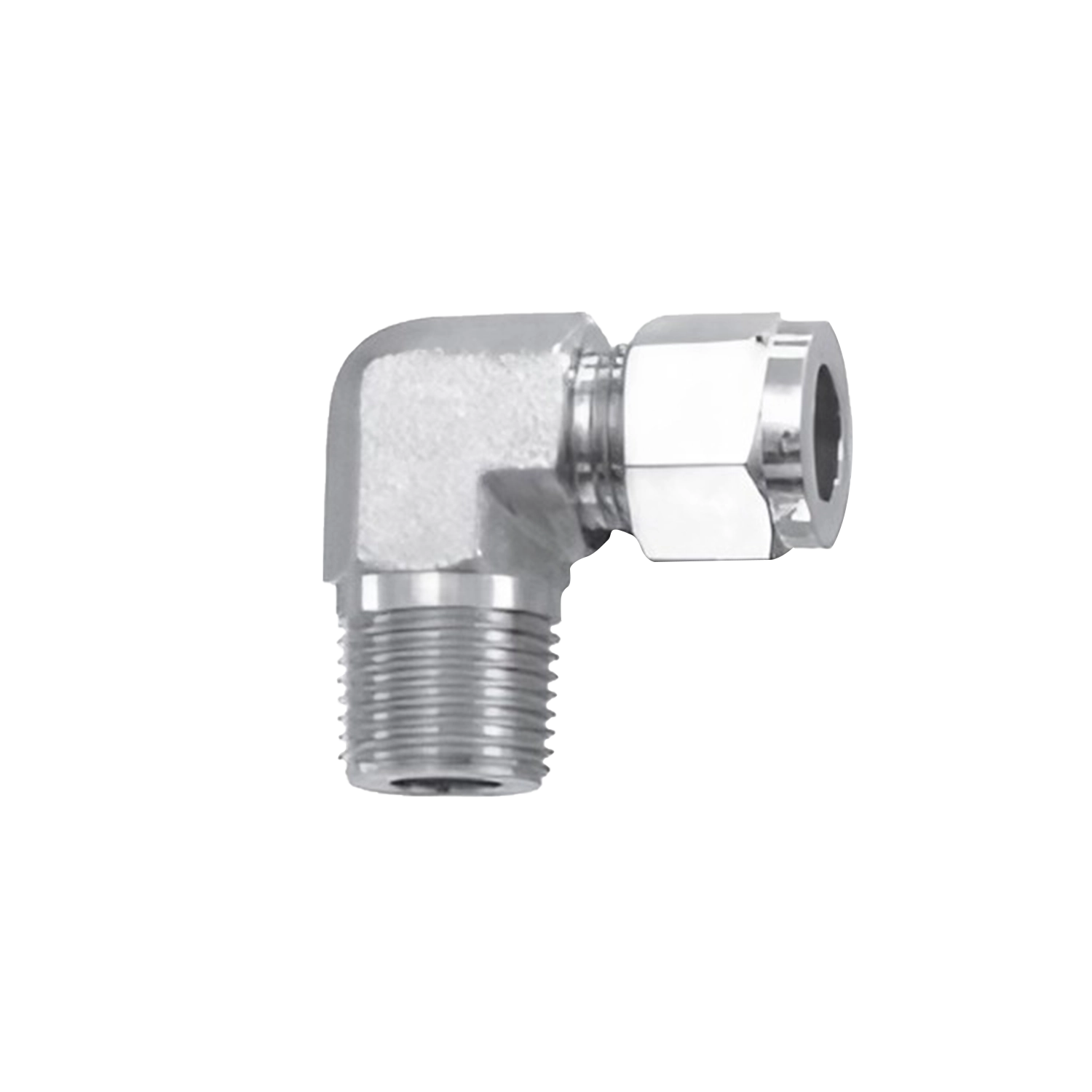
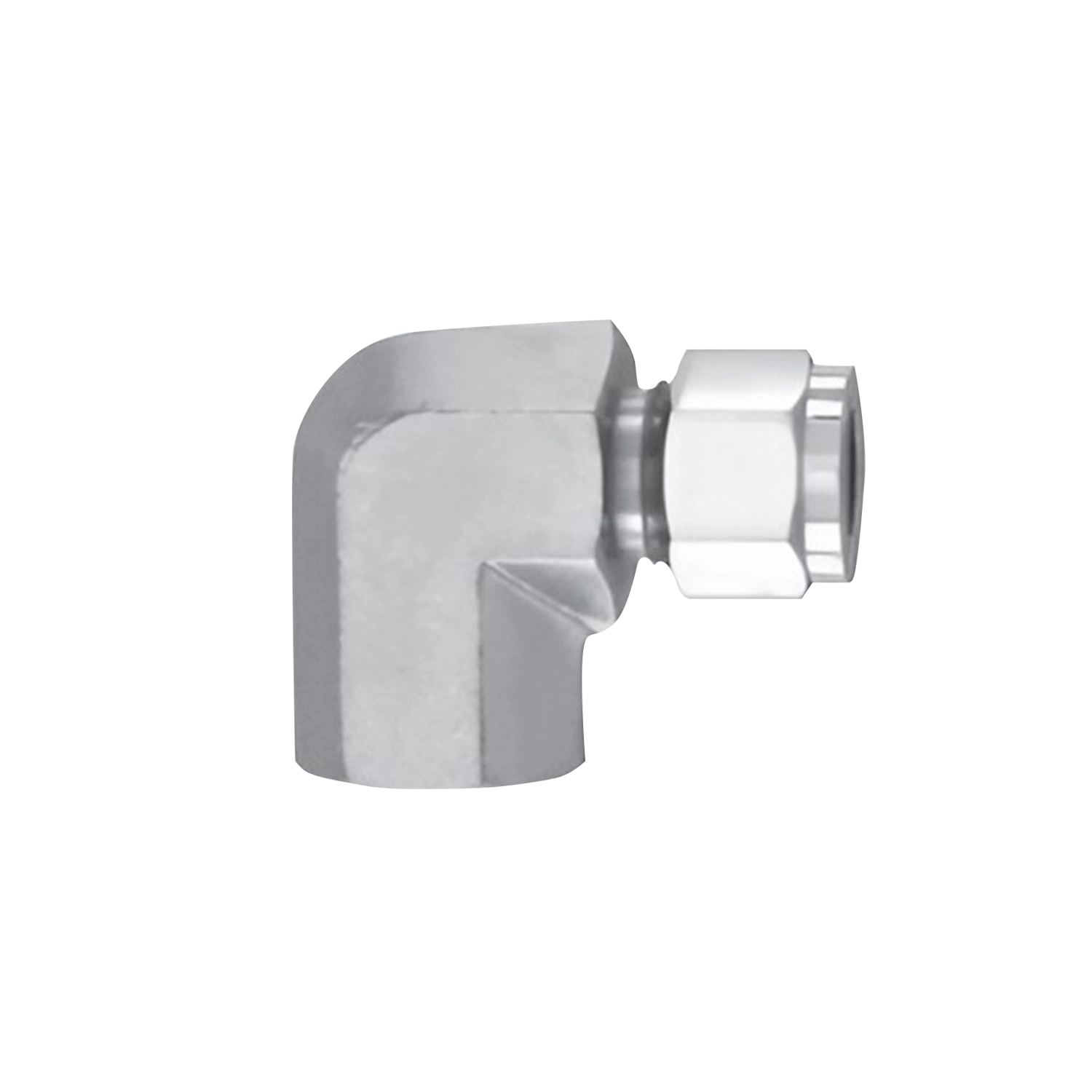
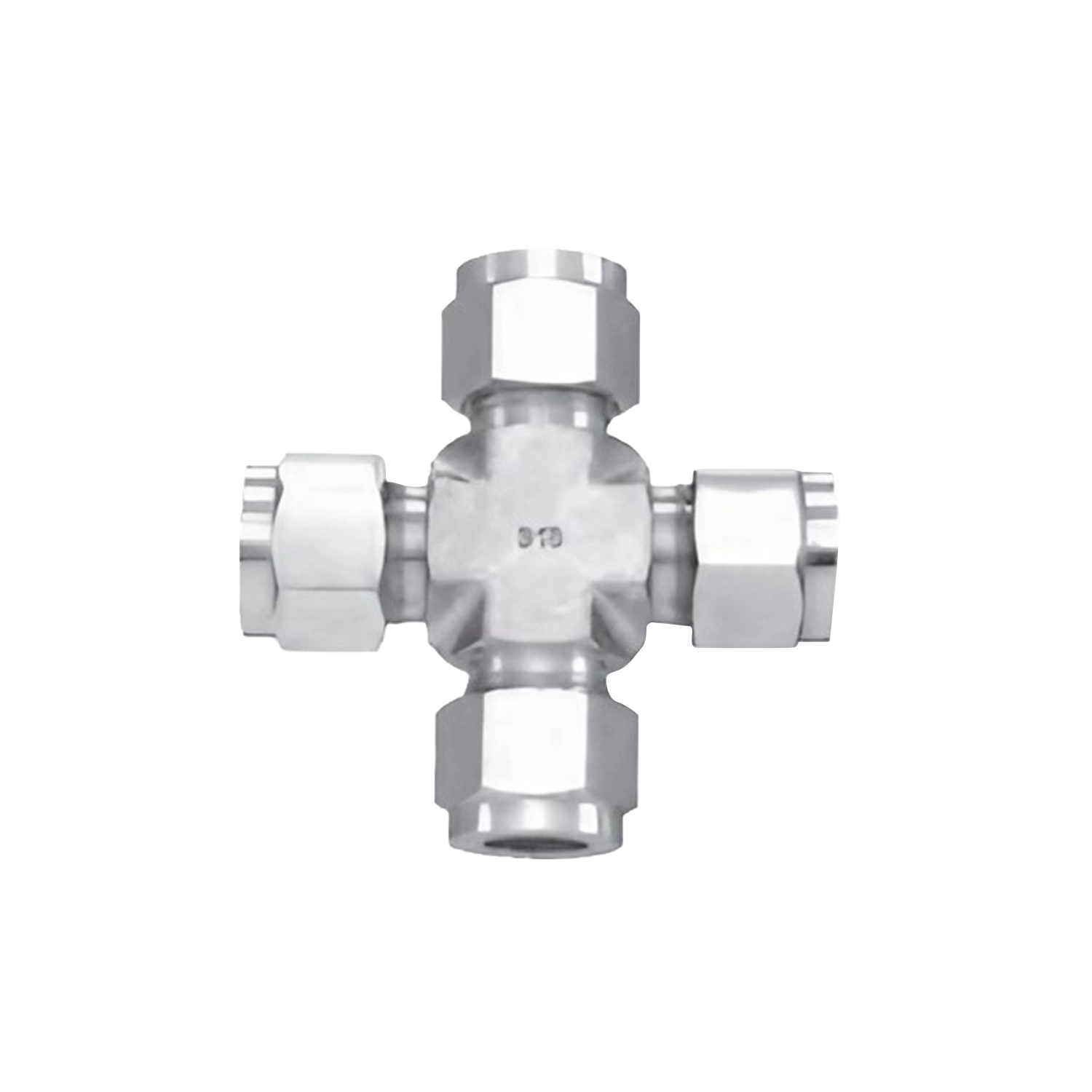
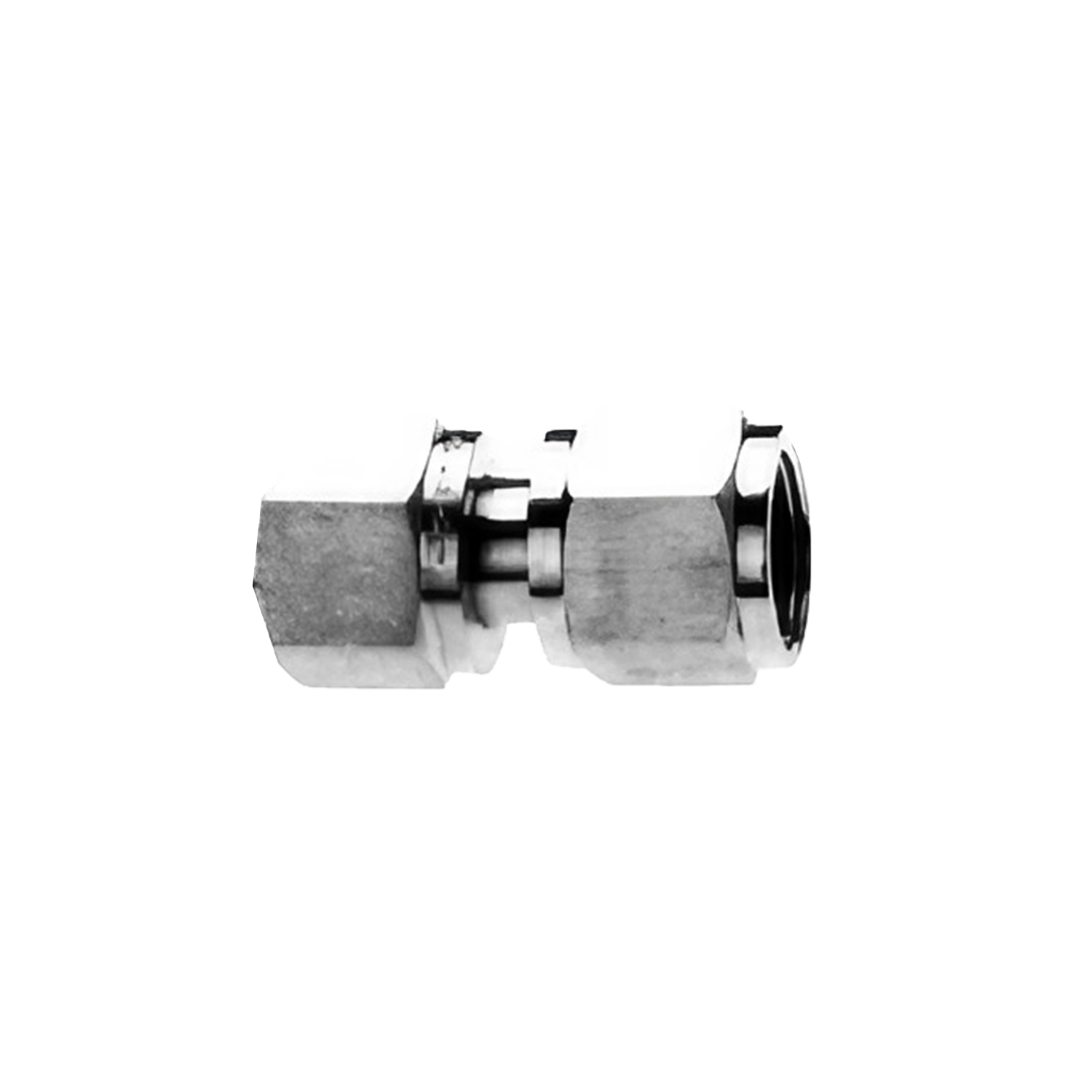
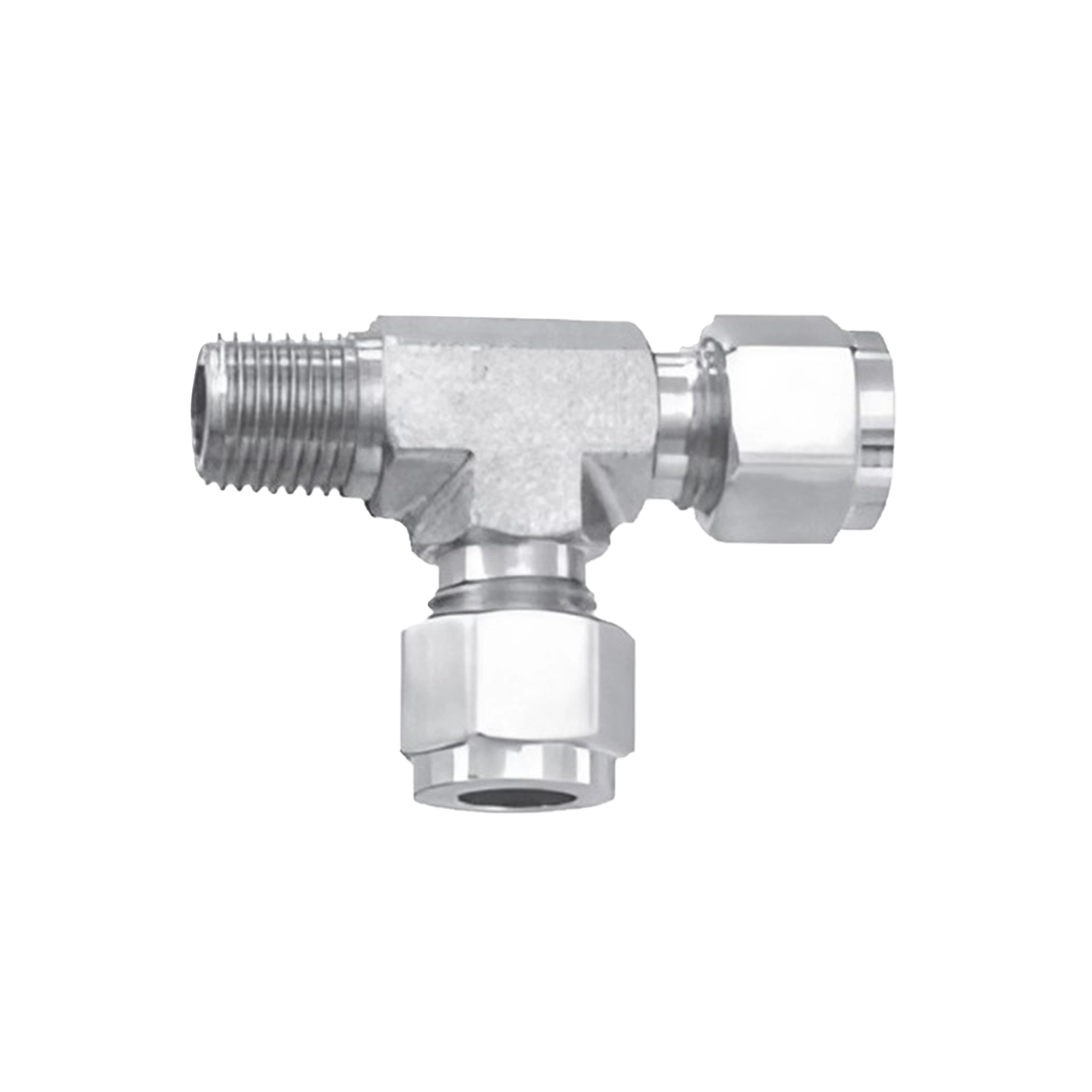
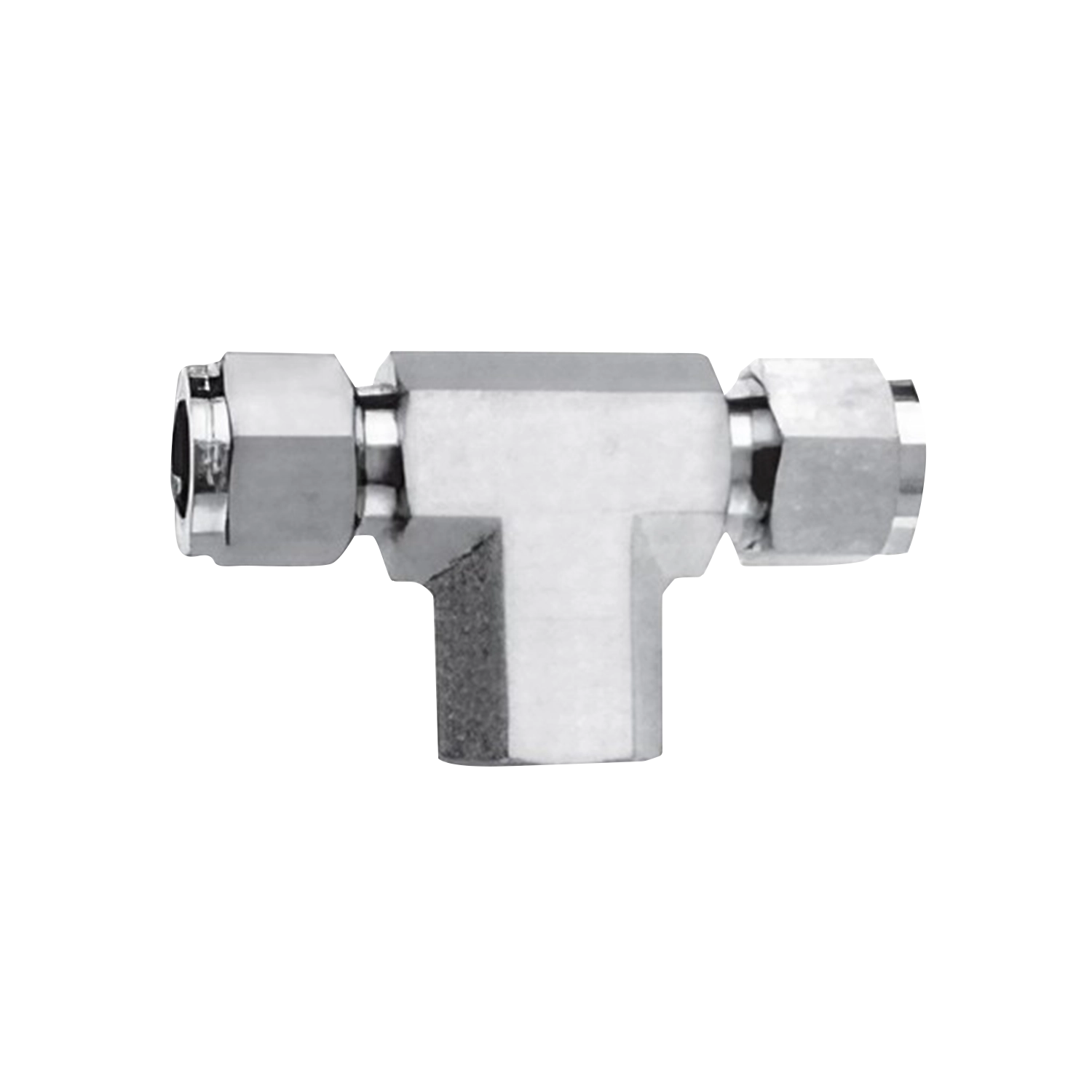
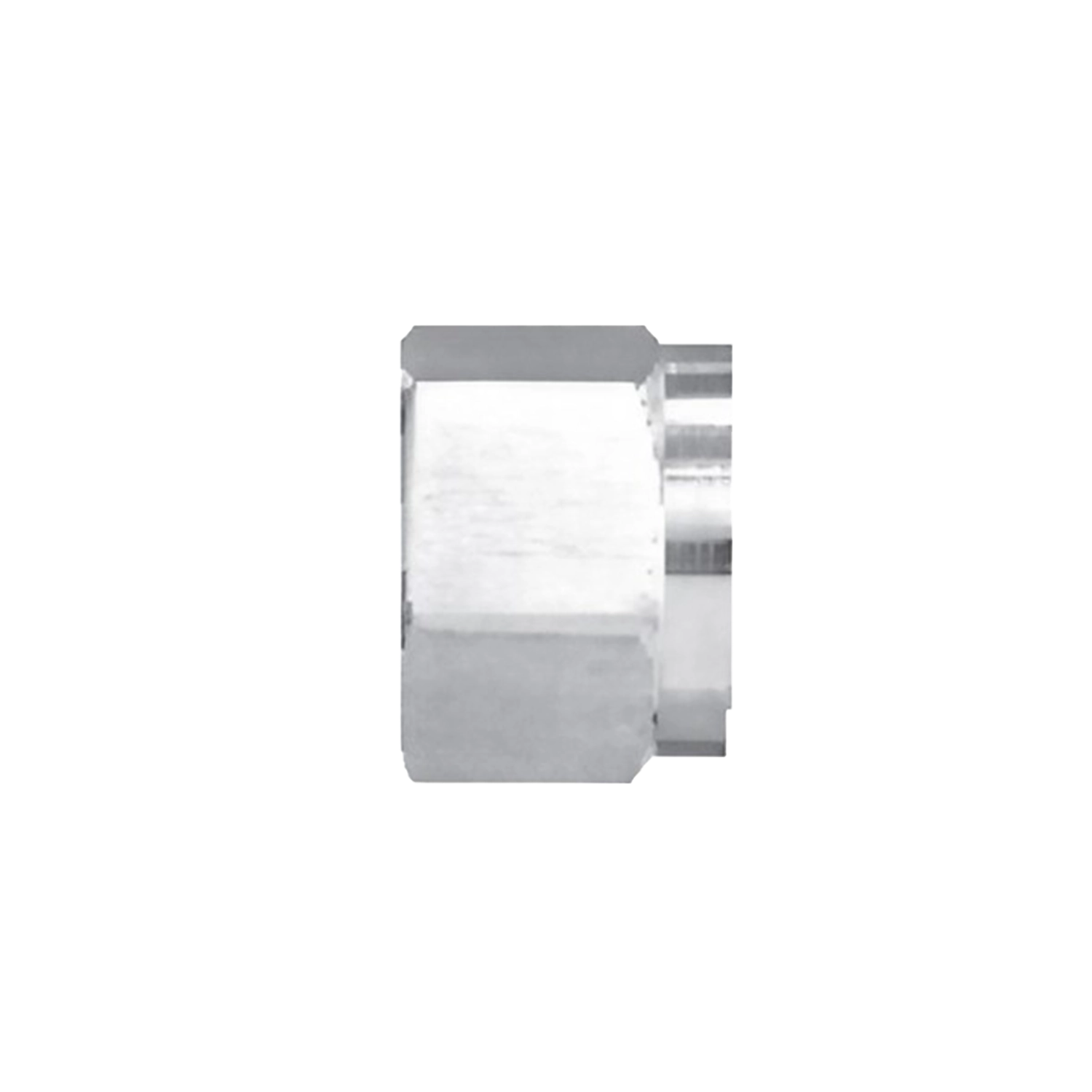
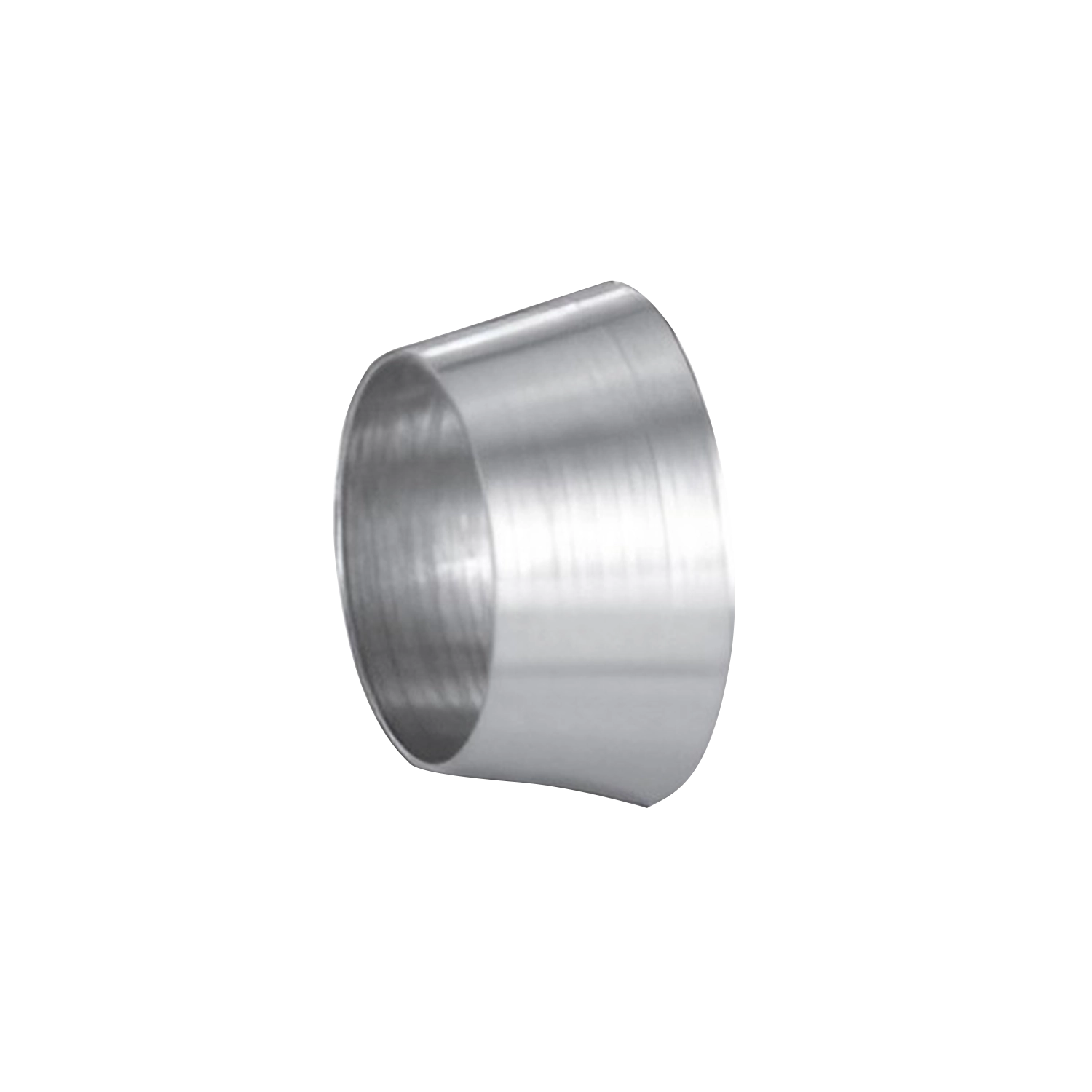
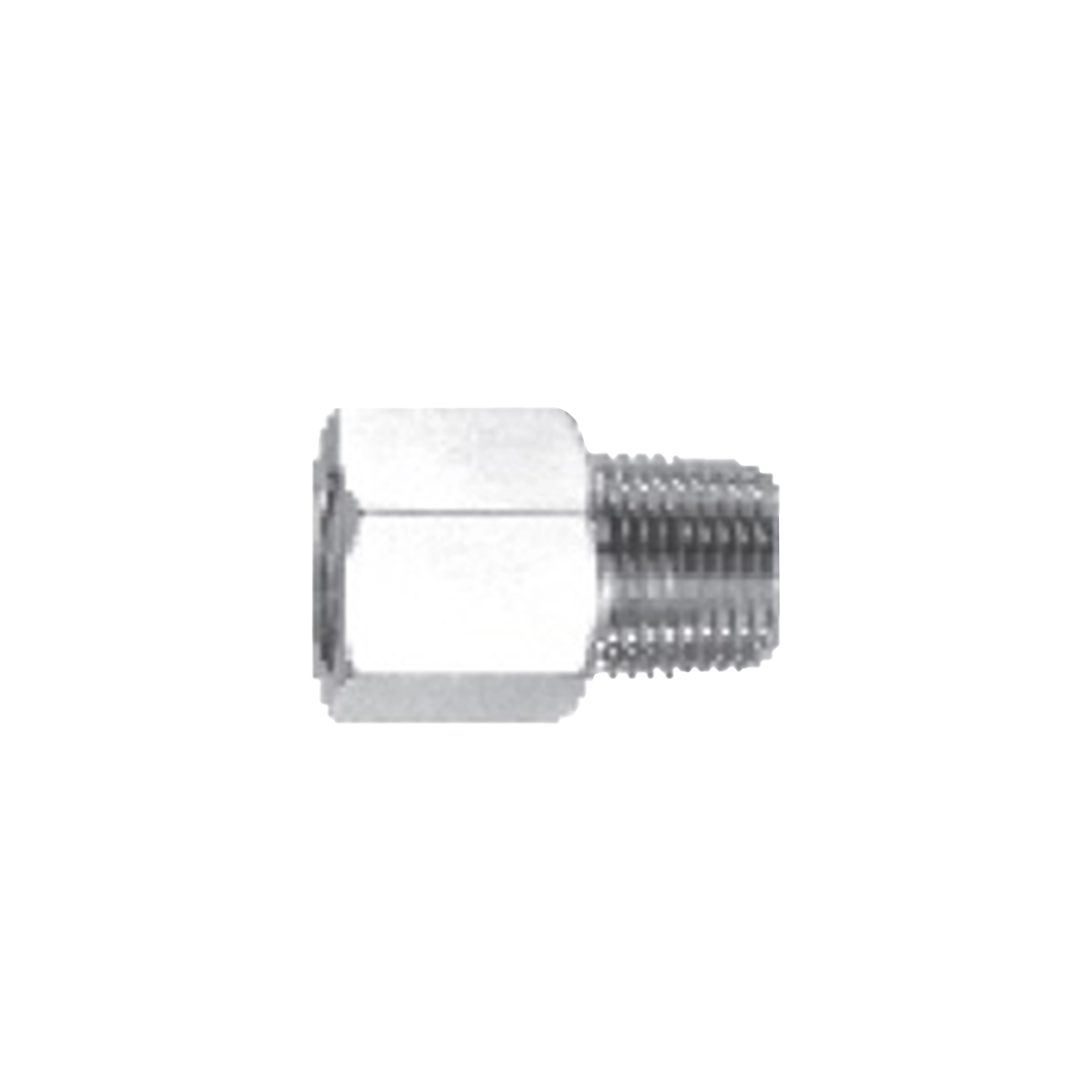
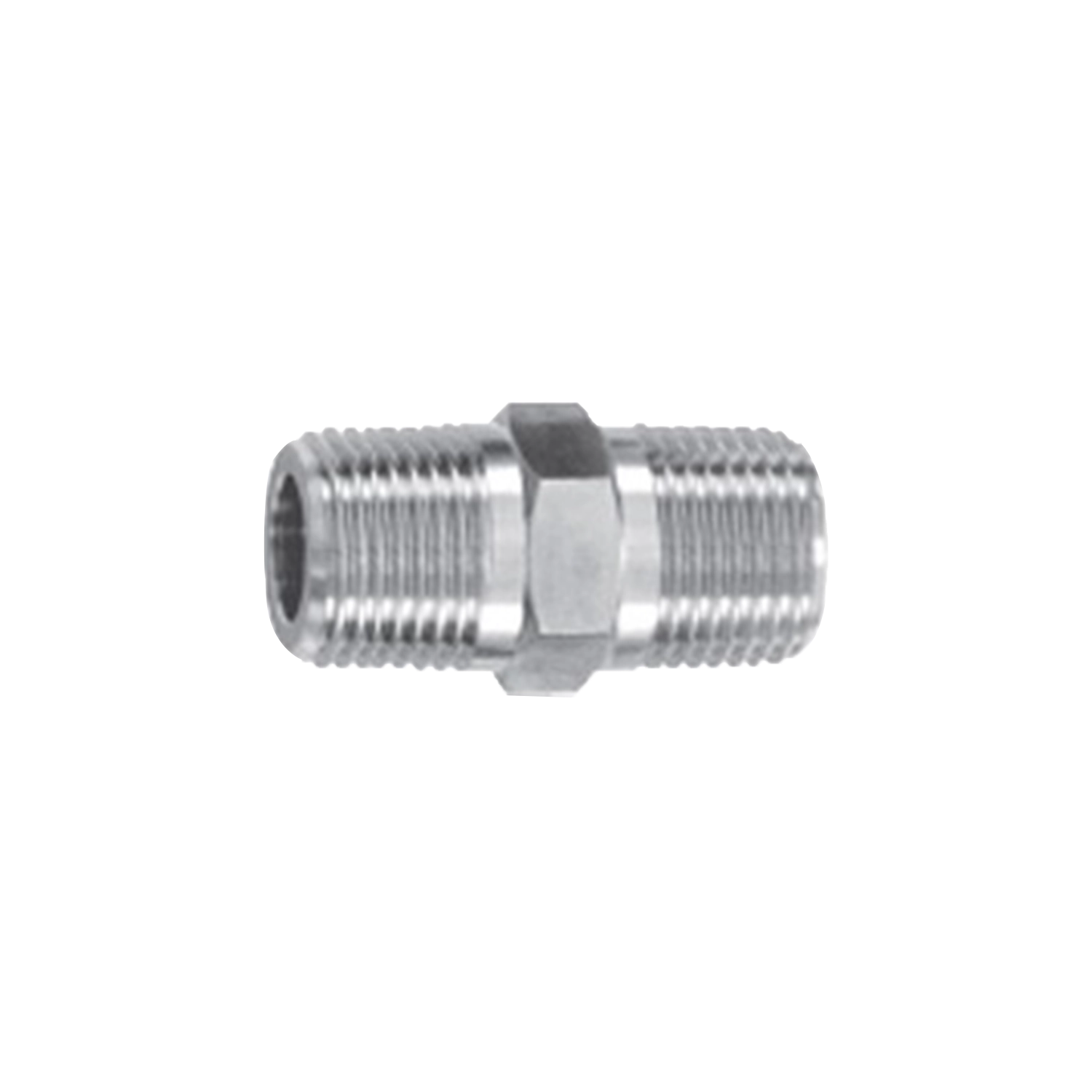
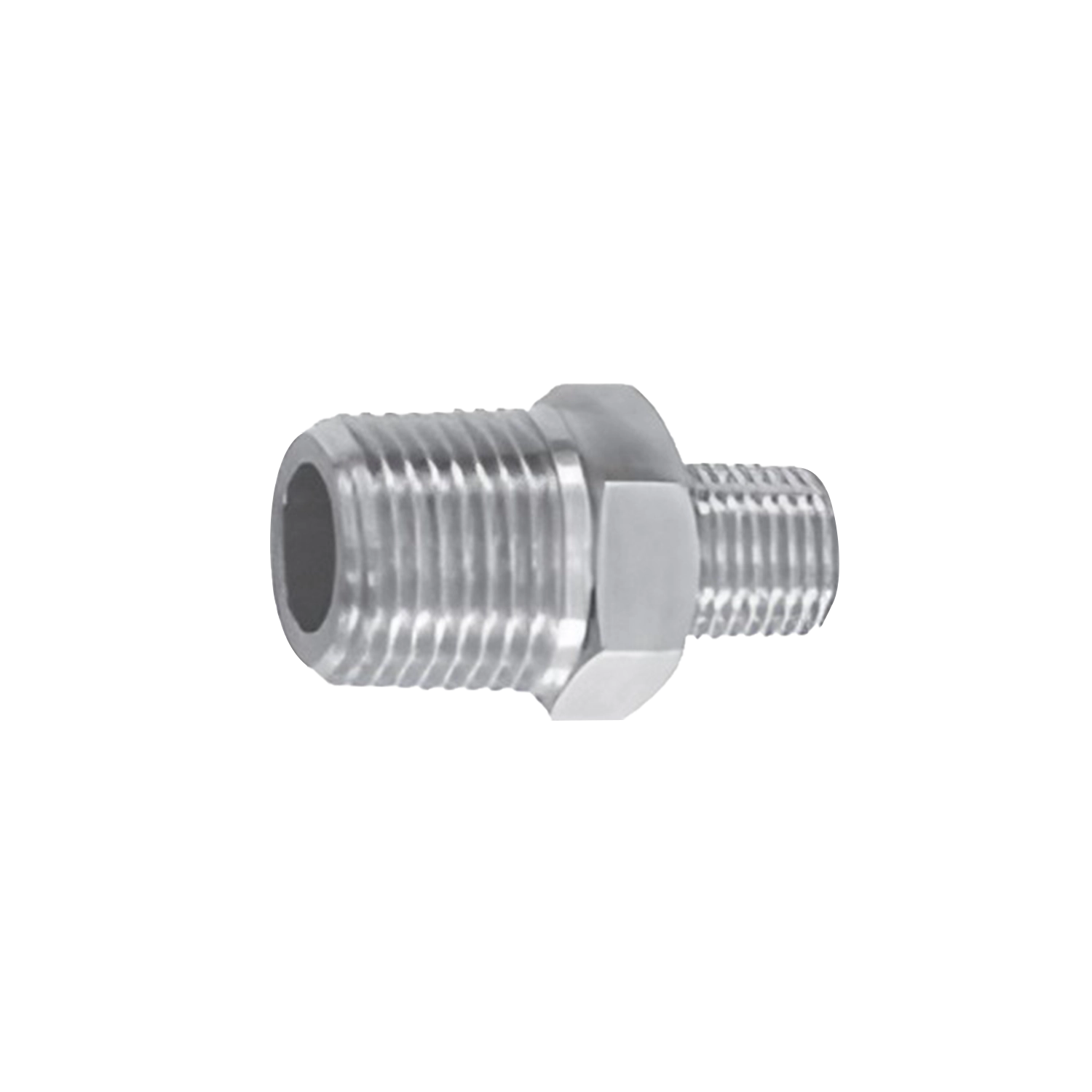
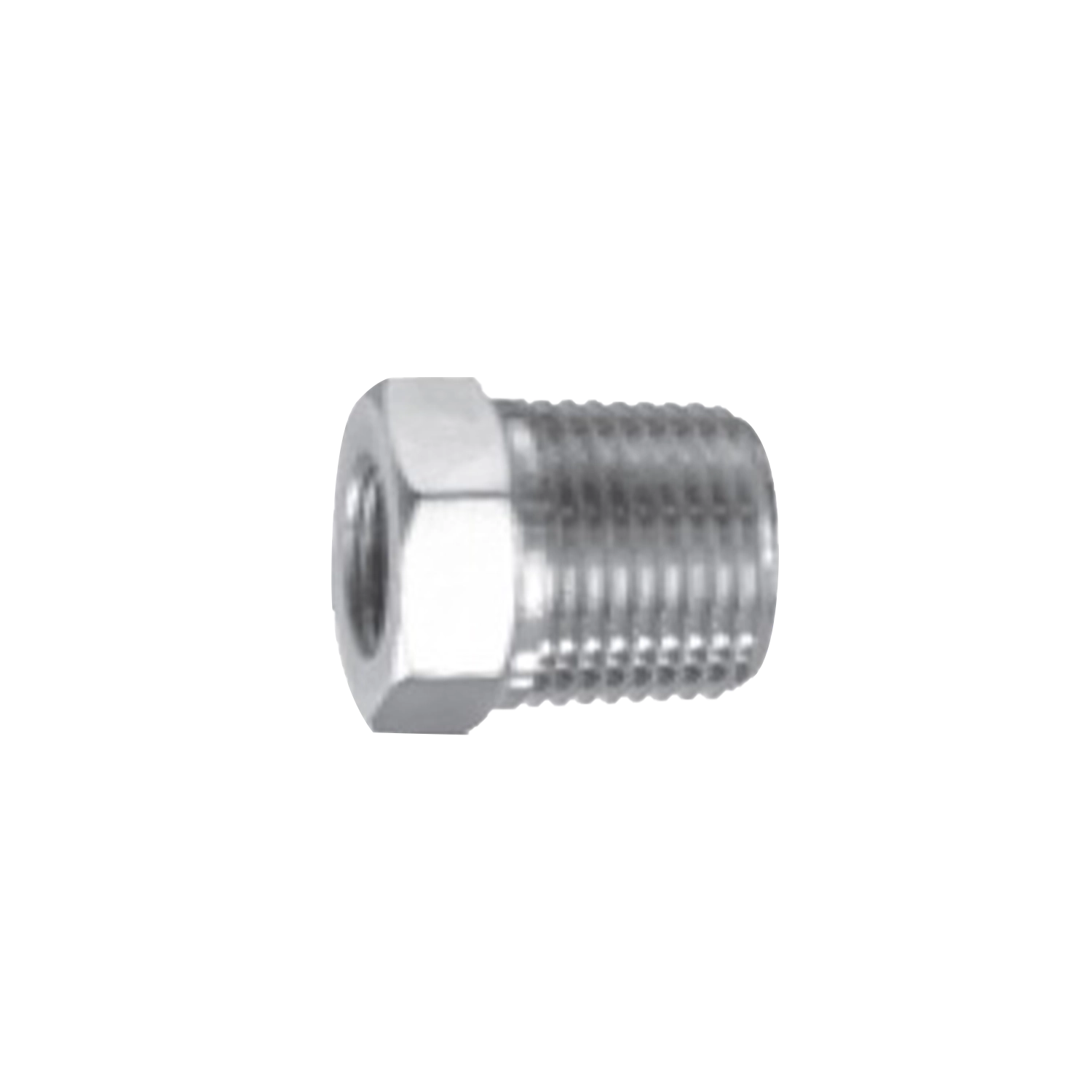
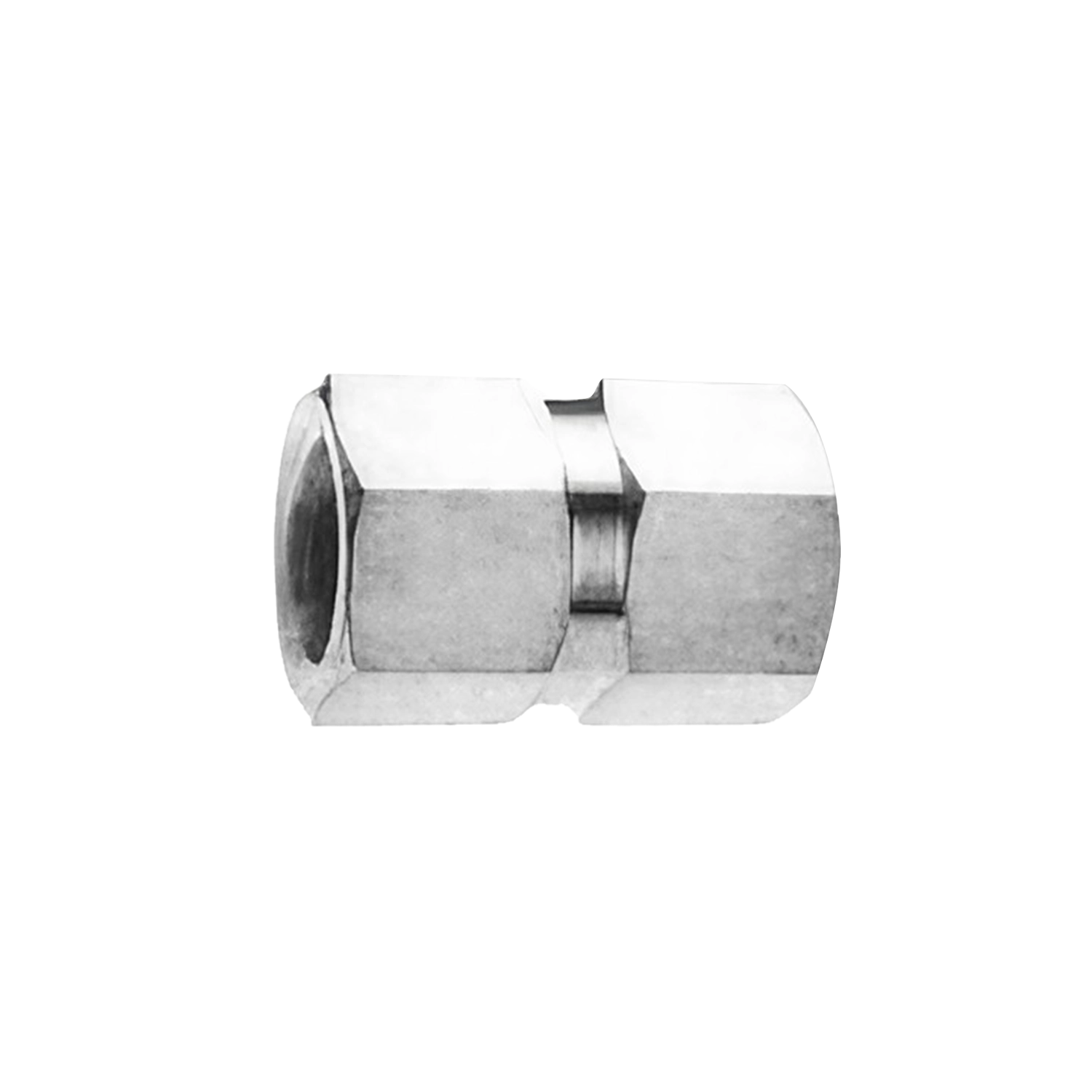
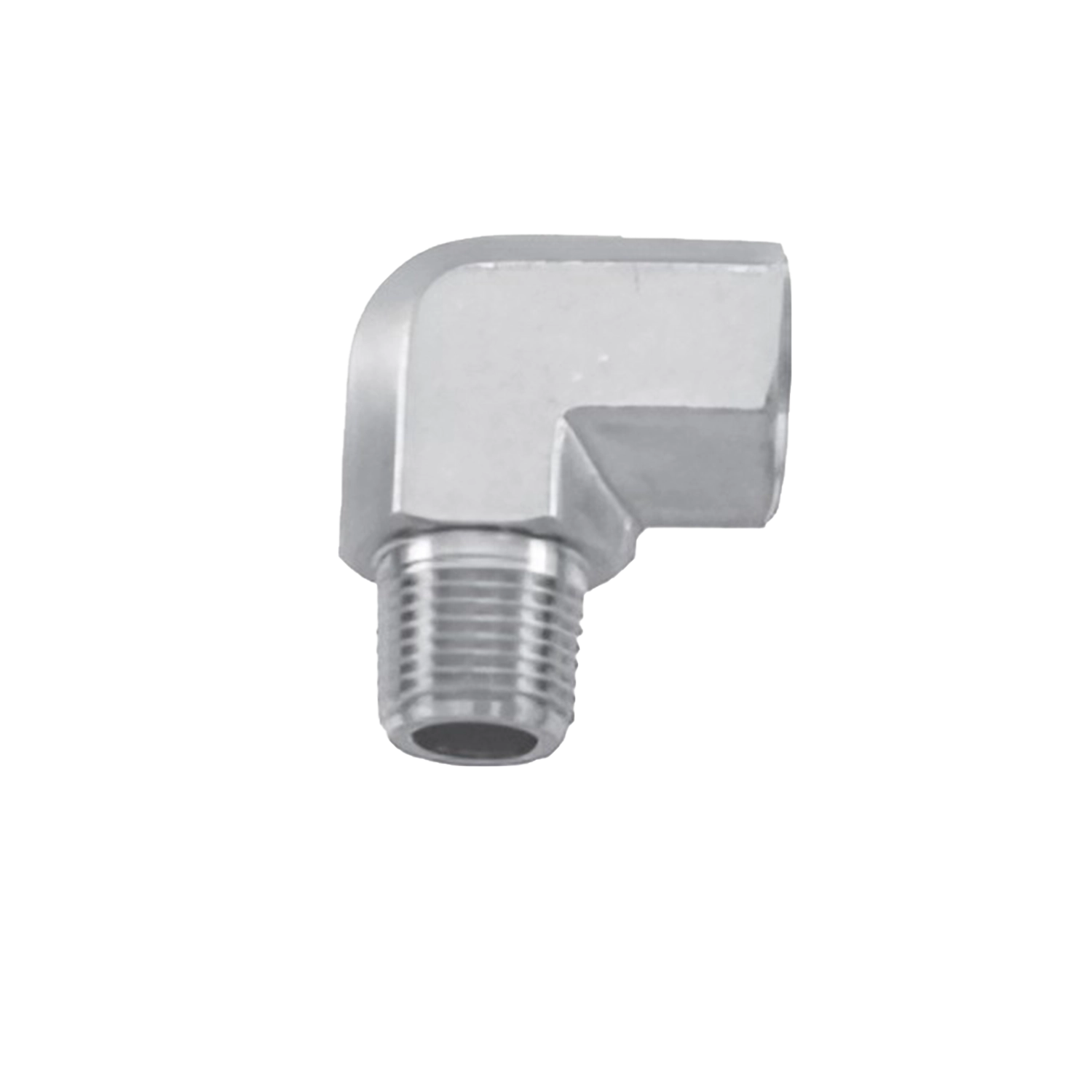
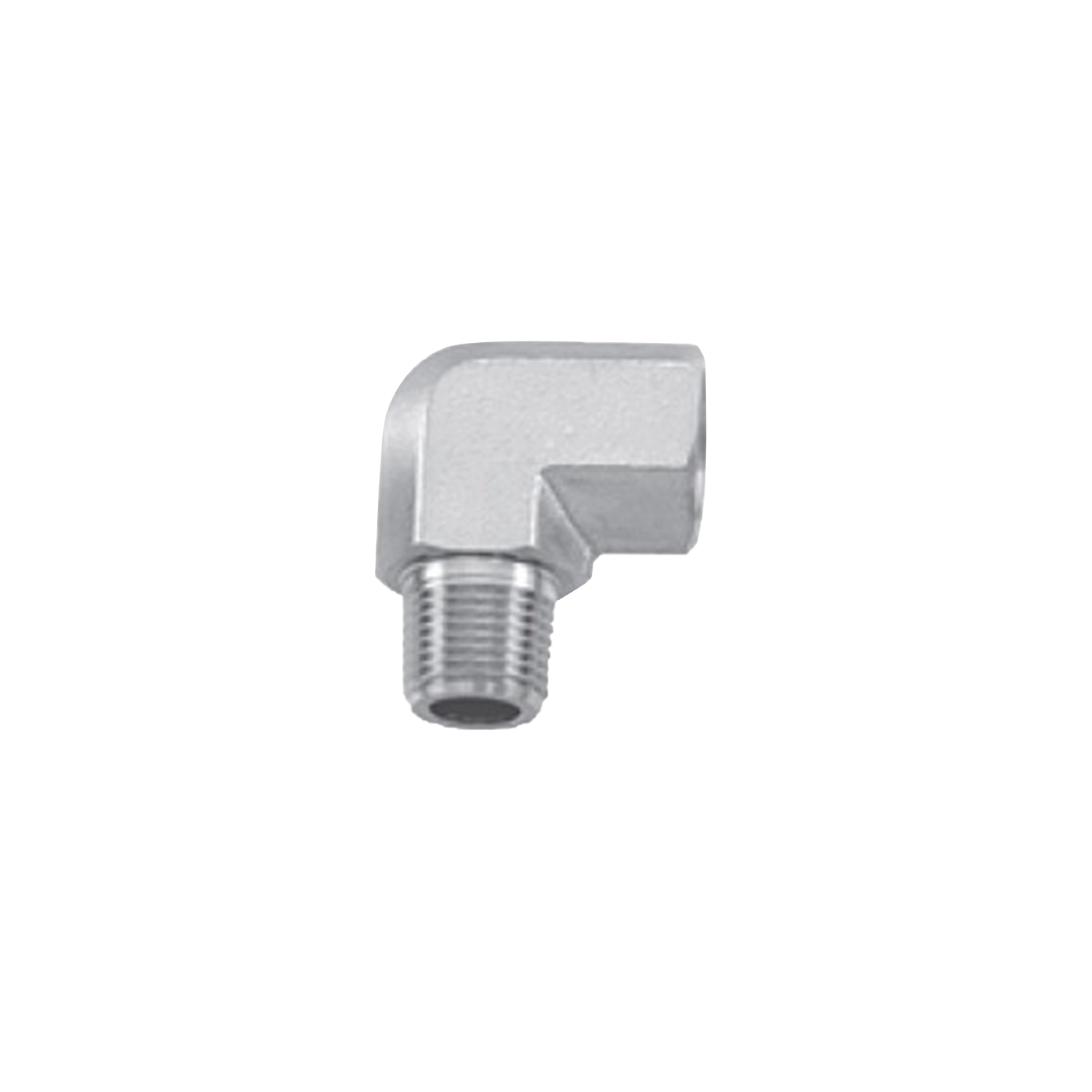
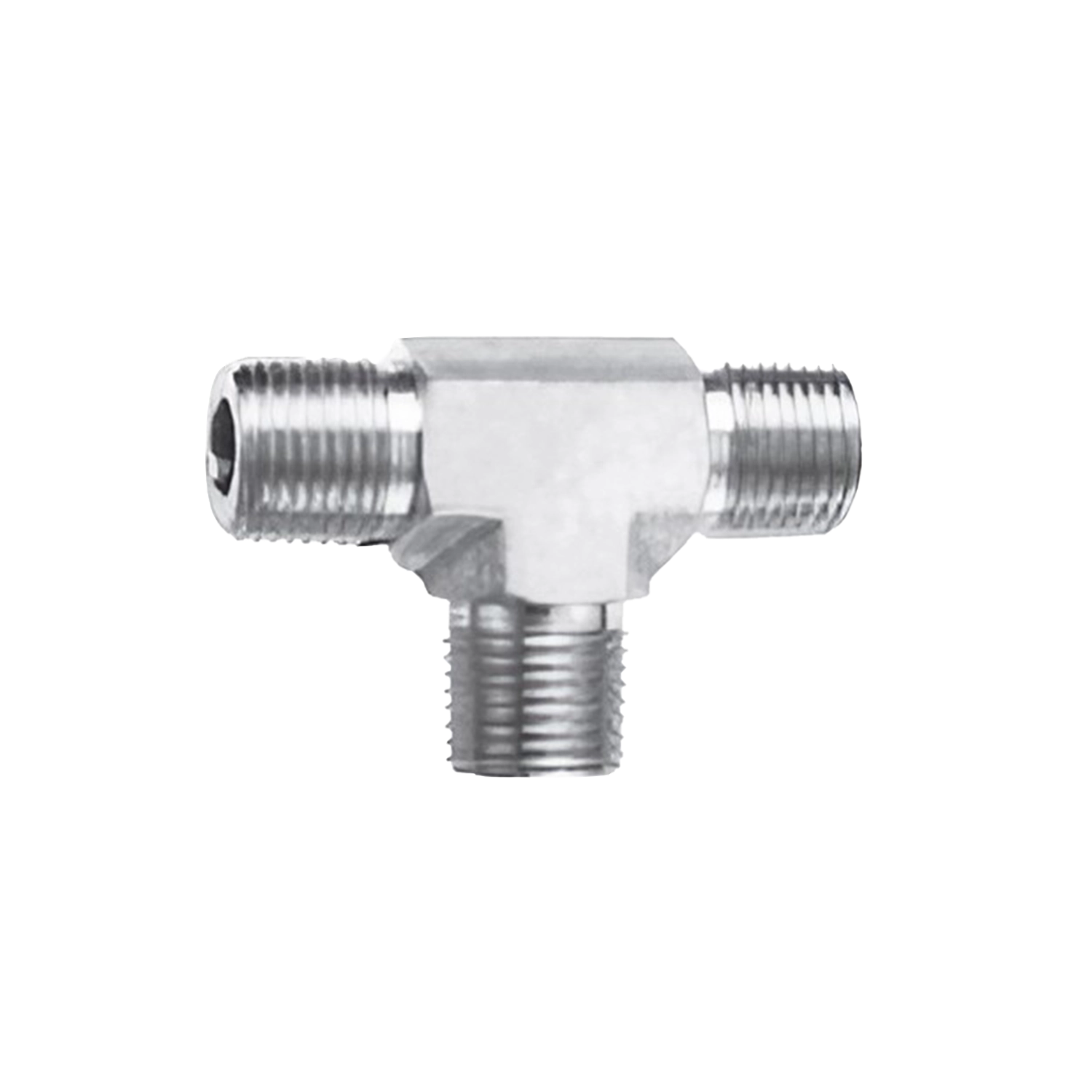
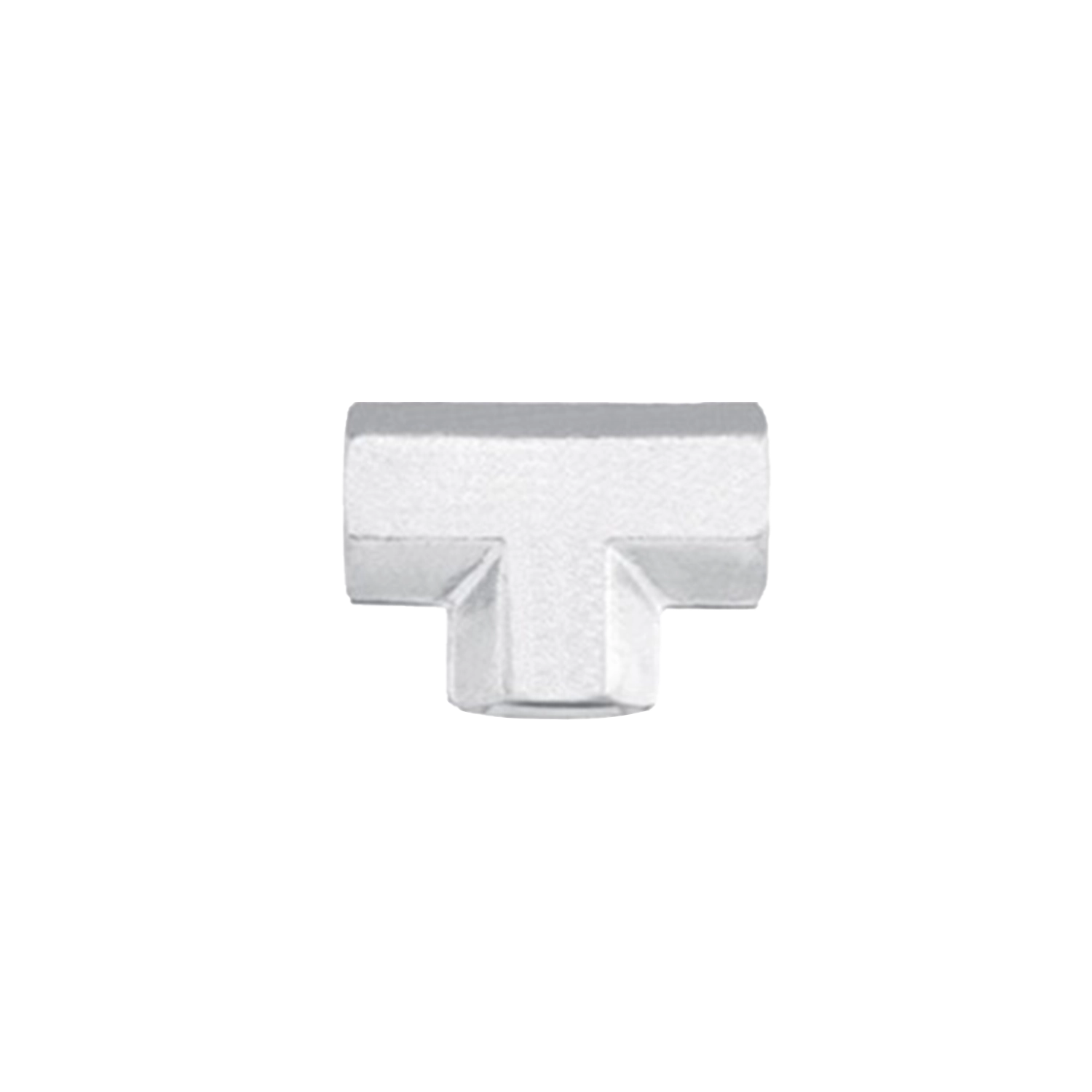
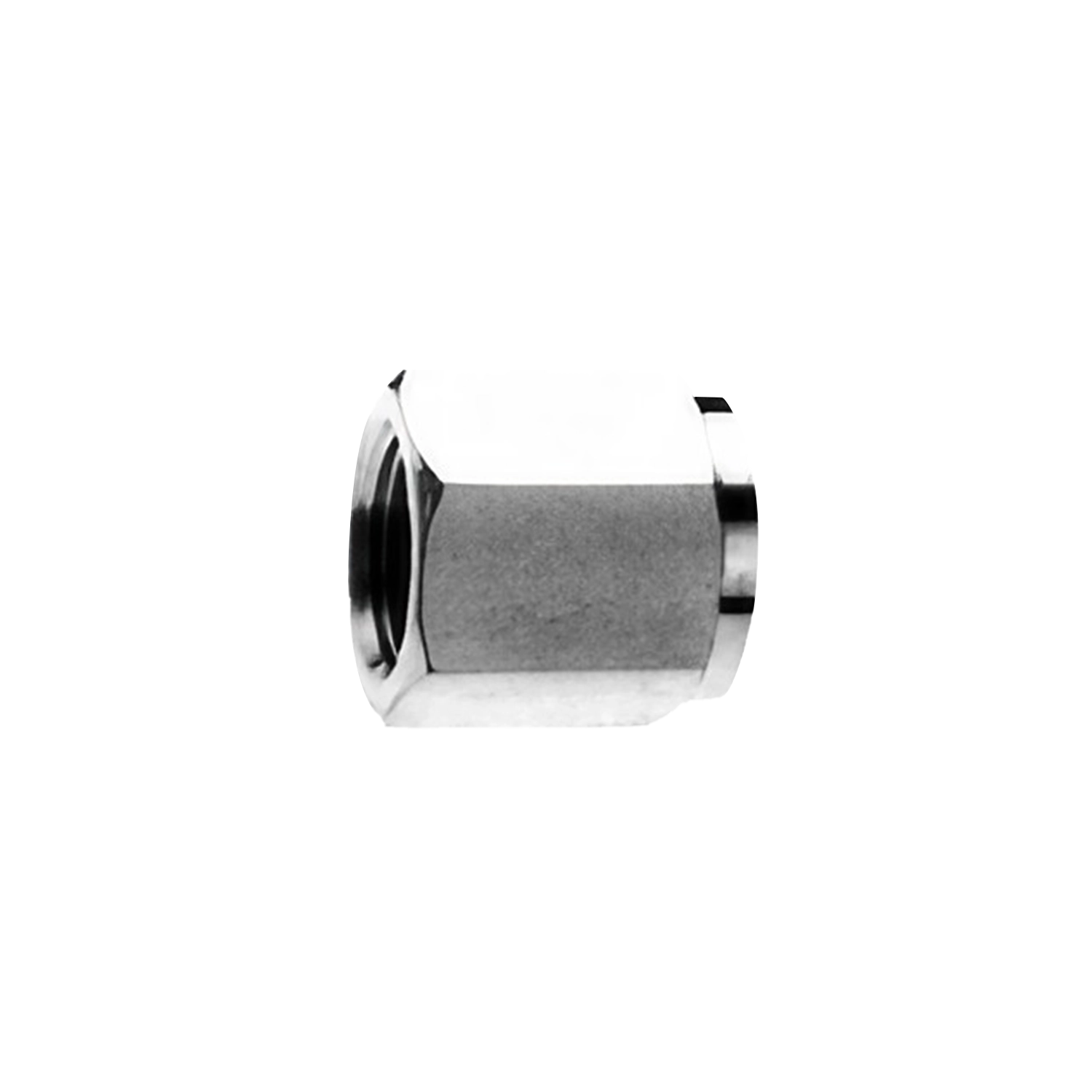
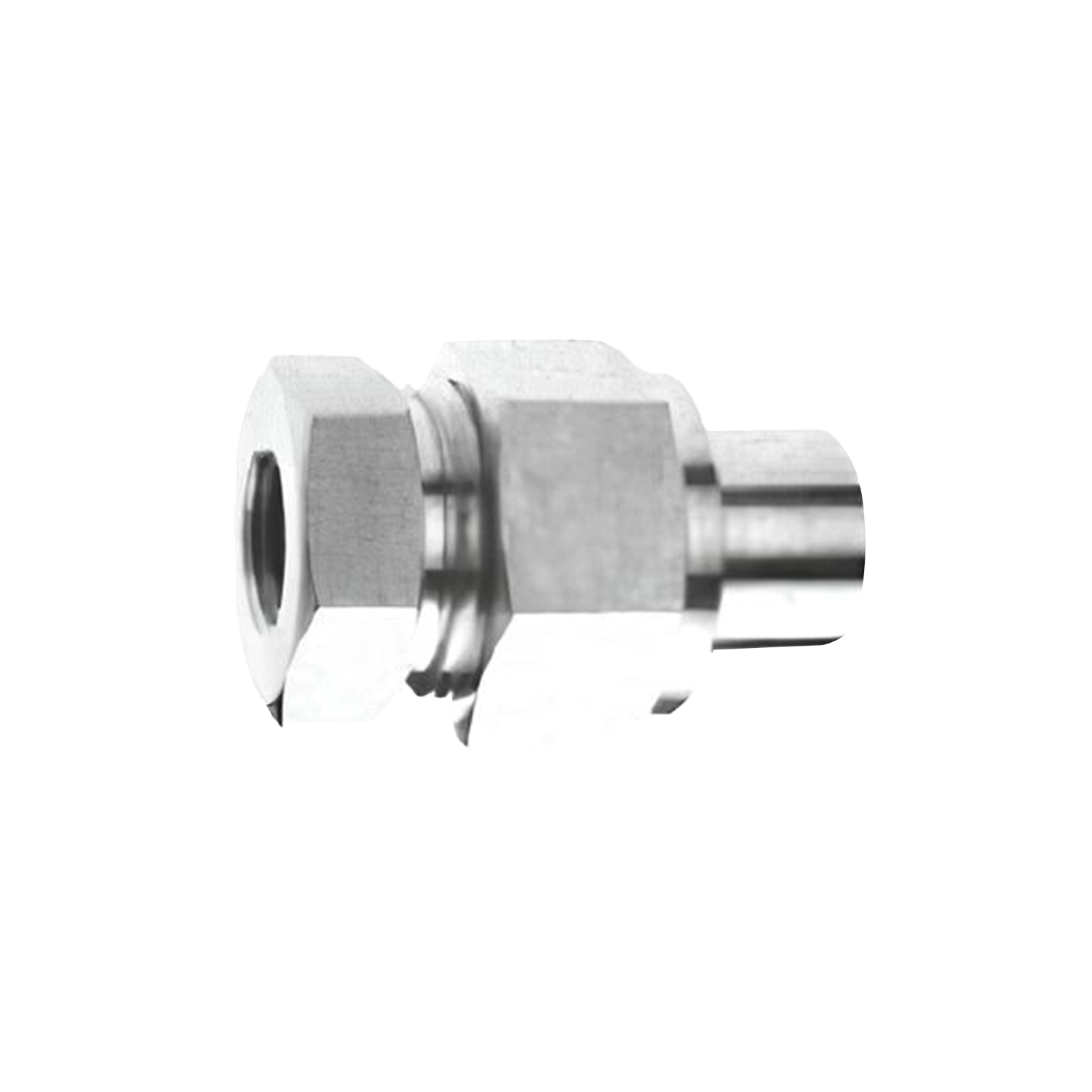
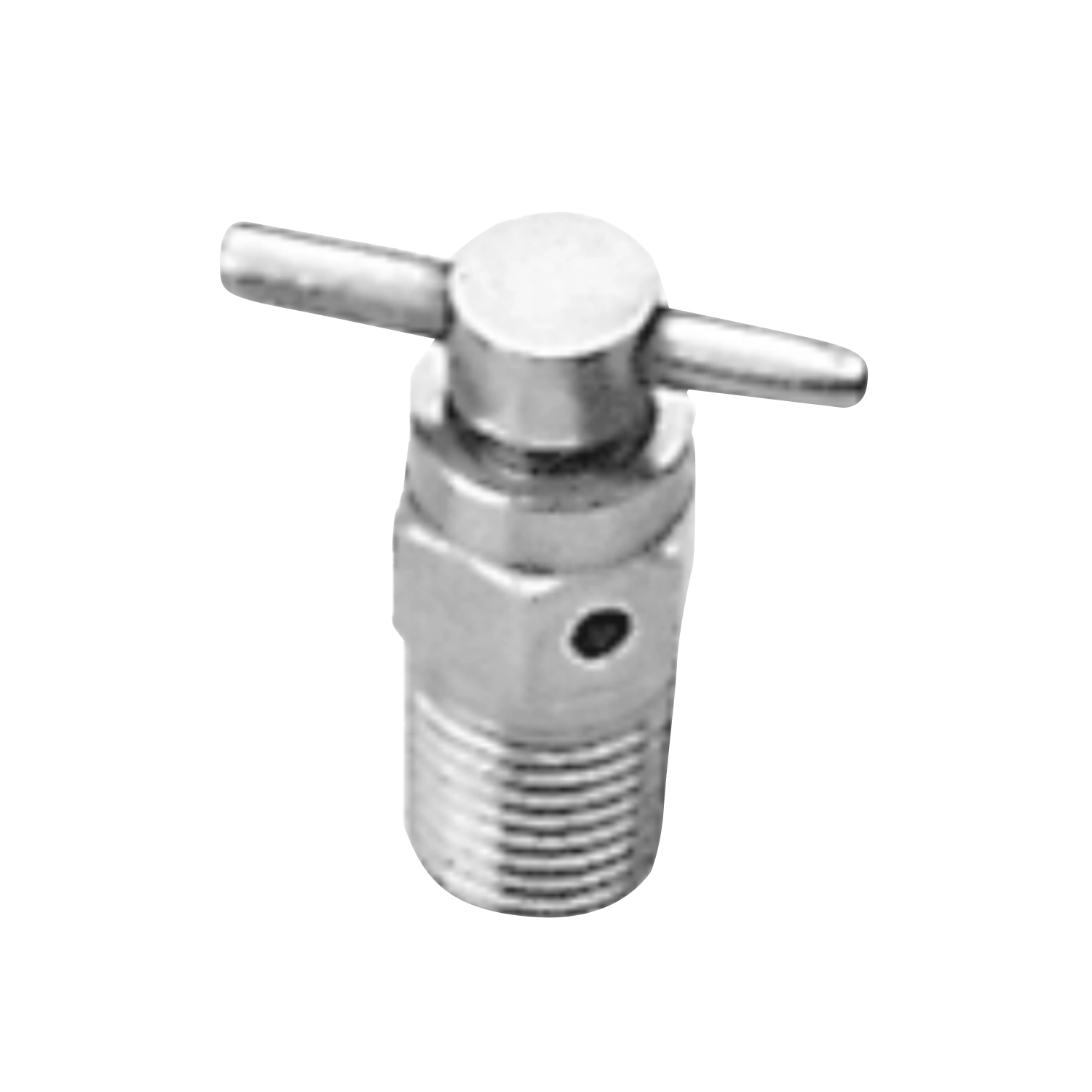
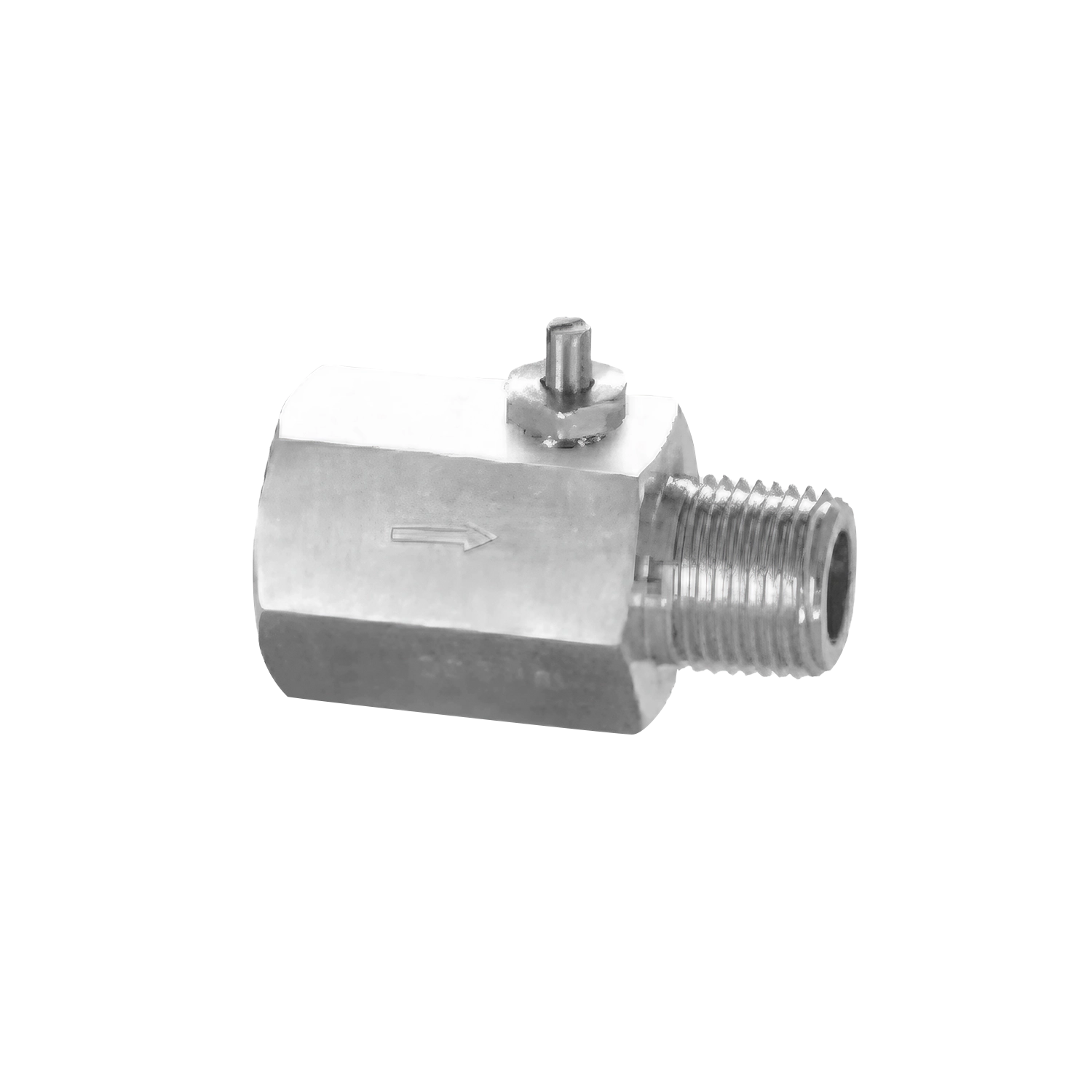
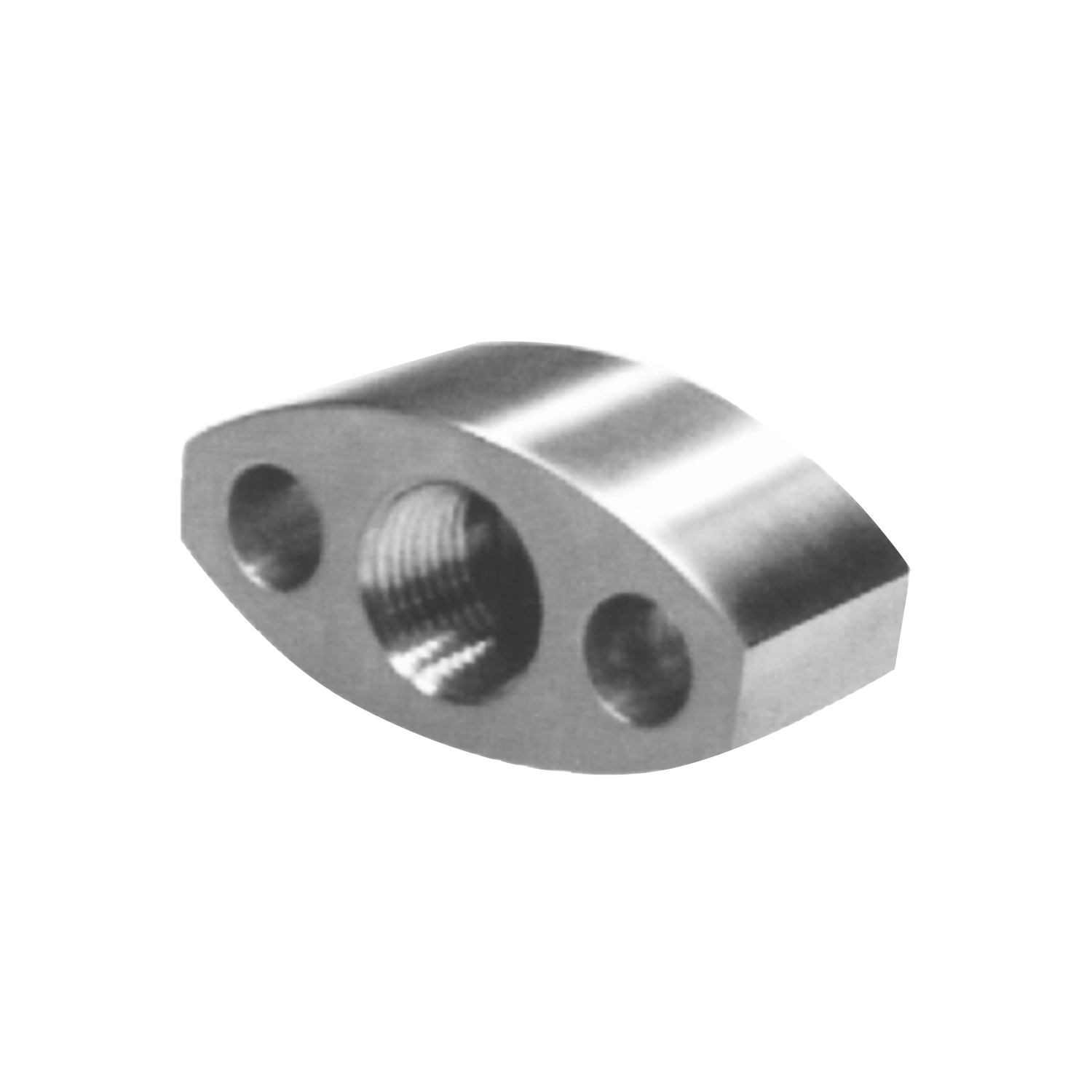
Parflow Engineering, erstwhile Prime Engineering, has been manufacturing since 1987. Same trade, same city, a lot more floor.
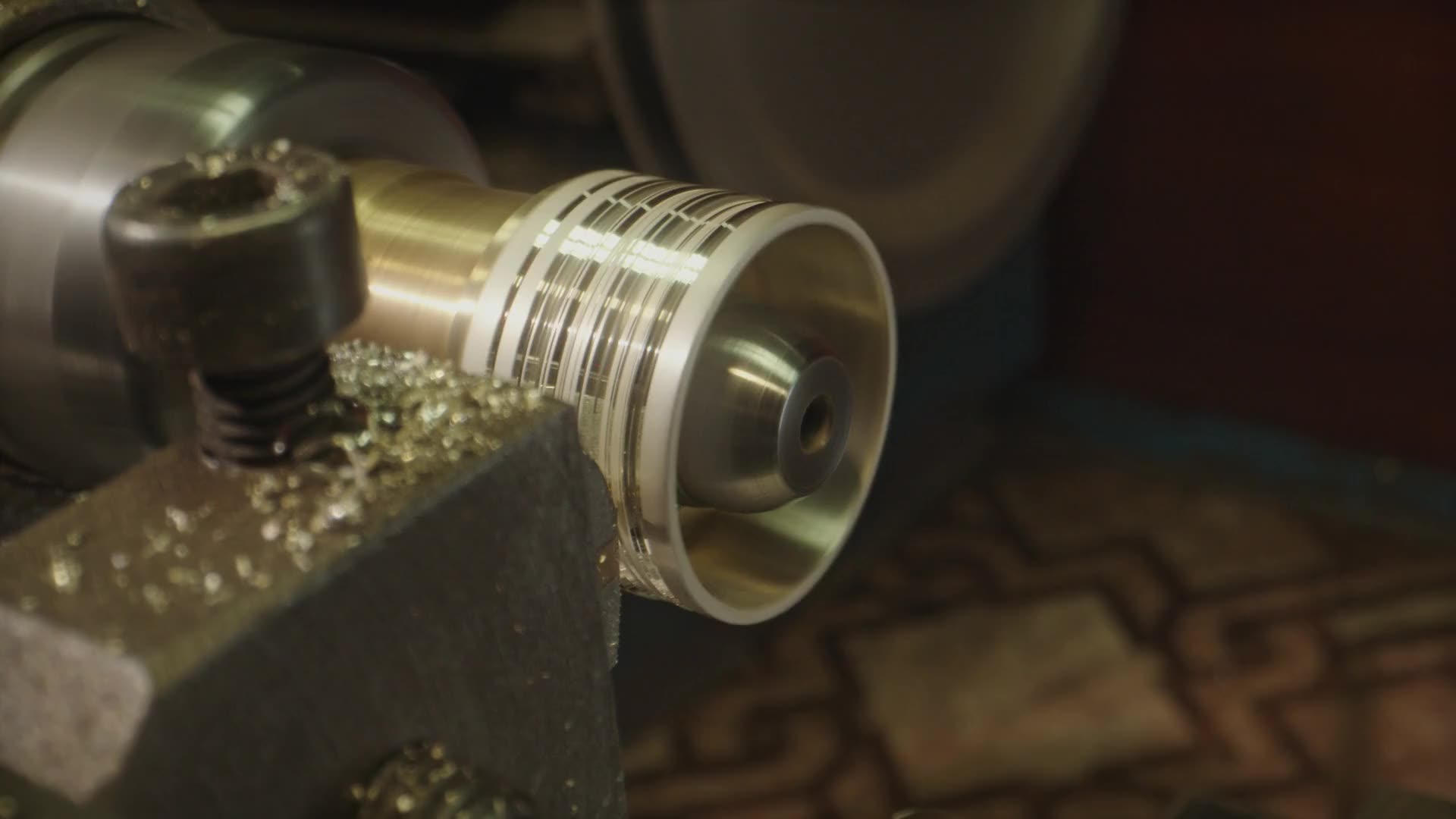

Specifying an instrumentation component is a decision about safety and uptime, so customers need more than a price and a lead time. Every order carries the same evidence, whether it ships across the city or across an ocean.
Service conditions in, a configuration and a material recommendation out, usually inside a working day. If a standard fitting will not hold the service, we say so.
Material is verified against its heat lot on receipt, and that record follows the part through machining and testing to dispatch.
Assemblies are pressure-tested and leak-checked before packing. Inspection records ship with the consignment and are retained for audit.
Batches are released against fixed acceptance criteria, so a repeat order interchanges with what is already installed on site.
The objective is not to export products but to become a preferred engineering partner: the supplier an engineer abroad specifies by name, on the same evidence a domestic customer gets, which is the spec, the material certificate, and the test record.
Send the media, pressure, temperature, and tube size. You get a configuration, a material recommendation, and a price, usually inside a working day.